

When Concussion Symptoms Outlast the Brain Injury
The doctor said your brain was healing, so why are the headaches, fog, and dizziness still here? Often the answer is a neck injury from the same impact that never got addressed.
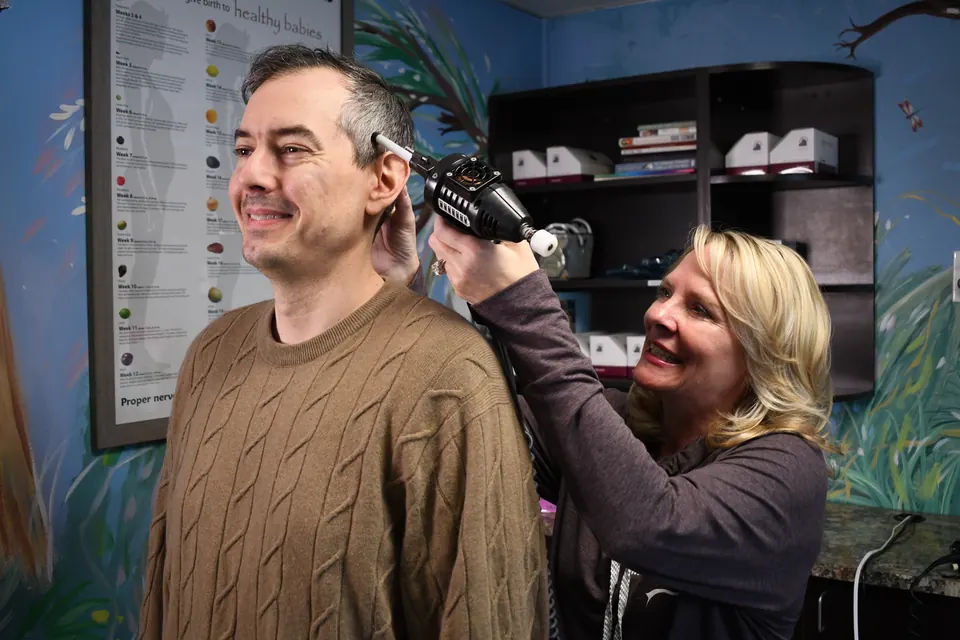
Gentle Neurological Support for Concussion Recovery
A concussion is more than just a bump on the head: it's a traumatic brain injury that can cause symptoms lasting weeks, months, or even years. At Van Every Family Chiropractic Center, we support concussion and post-concussion syndrome (PCS) recovery by addressing the cervical spine injuries and nervous system dysfunction that almost always accompany head trauma.
Any force strong enough to cause a concussion is also strong enough to misalign the upper cervical spine underneath it. Research increasingly shows that many persistent post-concussion symptoms, including headaches, dizziness, brain fog, and neck pain, are actually driven by cervical spine injury rather than the brain injury alone. Our gentle, neurologically focused approach addresses this often overlooked component of concussion recovery.
Headaches that won't quit. Dizziness and balance problems that make a normal day feel unsteady. Brain fog, trouble concentrating, and a slowness that wasn't there before. Sleep that turns fitful or won't come at all. Neck pain and stiffness that often gets treated as an afterthought, along with fatigue, mood changes, and a new sensitivity to light and noise.
The same impact that causes a concussion is almost always strong enough to misalign the upper cervical spine underneath it.
Cervical spine injury shows up in the vast majority of concussion cases: the same force that jars the brain almost always jars the neck underneath it. Addressing upper cervical misalignment can meaningfully improve headaches, dizziness, balance, and the cognitive symptoms that stick around long after the initial injury.
Most concussion protocols focus on brain rest and a gradual return to activity, which leaves this cervical piece unaddressed. That gap is exactly where our care fits.
Using Koren Specific Technique (KST) and Talsky Tonal Chiropractic (TTC), our doctors start with a full evaluation, including INSiGHT thermal, heart rate variability, and sEMG scanning alongside upper cervical alignment, balance, and autonomic testing, before ever touching your spine. Adjustments stay light and precise, chosen specifically for their safety with post-concussion patients, and we coordinate with your neurologist or primary care physician throughout.
Concussions frequently disrupt more than head and neck symptoms. The autonomic nervous system that regulates heart rate, sleep, and stress response often takes a hit too, and that disruption is often the piece behind lingering fatigue, mood changes, and restless nights. Because post-concussion patients are especially sensitive, every adjustment stays light and precise, with no cracking or forceful manipulation, which matters most when a nervous system is already under stress.
Post-concussion syndrome, symptoms that outlast the typical recovery window, often carries a cervical spine component that was never addressed in the first place. Patients with persistent symptoms sometimes improve significantly with upper cervical care, even years after the original injury.
Athletes recovering from a sports concussion see this often too, since the same impact that caused the concussion nearly always jolted the neck. We work with your athletic trainer and physician on a safe return to play.
Patients often notice their headaches easing first, followed by steadier balance and less dizziness. Mental clarity tends to return next, along with better sleep and reduced sensitivity to light and noise. Many say their energy comes back sooner than expected, and athletes typically find their return to play steadier once the cervical piece has been addressed.
Take the First Step If concussion symptoms are still hanging on, our doctors in Royal Oak would like to check the piece most recovery plans miss.
Book OnlineYes, when the approach is right for it. Our gentle, neurologically focused techniques use light, precise contact with no cracking or forceful manipulation, which is what makes them appropriate for a nervous system already stressed from head trauma. Our doctors coordinate with your physician to first rule out more serious injury such as bleeding or fracture, then build your cervical care plan around what your recovery actually needs.
Once more serious injury has been ruled out medically, gentle upper cervical care can begin right away. Addressing the cervical component early, rather than waiting to see if headaches and dizziness resolve on their own, tends to support a smoother recovery.
Often, yes. Post-concussion syndrome, symptoms that outlast the typical recovery window, frequently carries a cervical spine component that was never addressed in the first place. Patients with persistent headaches, dizziness, or brain fog sometimes see meaningful improvement with upper cervical care, even years after the original injury.
Our doctors focus on the cervical spine and nervous system components of concussion, the piece most recovery plans skip, and coordinate closely with your neurologist or primary care physician on the medical side of your recovery throughout.
Yes. Sports concussions nearly always involve cervical spine trauma from the same impact, since a hit hard enough to cause a concussion is also hard enough to jolt the neck. Addressing that cervical piece can support a smoother recovery and a safer return to play, and our doctors work with your athletic trainer and physician on return-to-sport timing.
Before any adjustment, our doctors evaluate upper cervical alignment, neurological function, balance, and autonomic status, including INSiGHT thermal, heart rate variability, and sEMG scanning, to get an objective picture of where your nervous system is still holding tension from the injury. That assessment shapes your care plan from the first visit.
The doctor said your brain was healing, so why are the headaches, fog, and dizziness still here? Often the answer is a neck injury from the same impact that never got addressed.
A racing heart, a fever with no infection, sweating and rigid posturing that comes in waves. This pattern after a brain injury has a name, and it always calls for prompt medical attention.
You have rested exactly as instructed and the fatigue, light sensitivity, and restless sleep have not budged. Here is why rest alone often cannot finish the job after a concussion, and what else may be involved.
See what Royal Oak families say in our Google reviews and patient stories, or browse everything we offer.
Our doctors put together a full article on concussion & post-concussion syndrome that explains what's really behind it and what lasting relief looks like. Get instant access below.
