

What Really Causes ADHD in Your Child
Genetics and brain chemistry get most of the credit for ADHD, but they rarely explain the whole picture. Here is the part of the story that often gets left out.
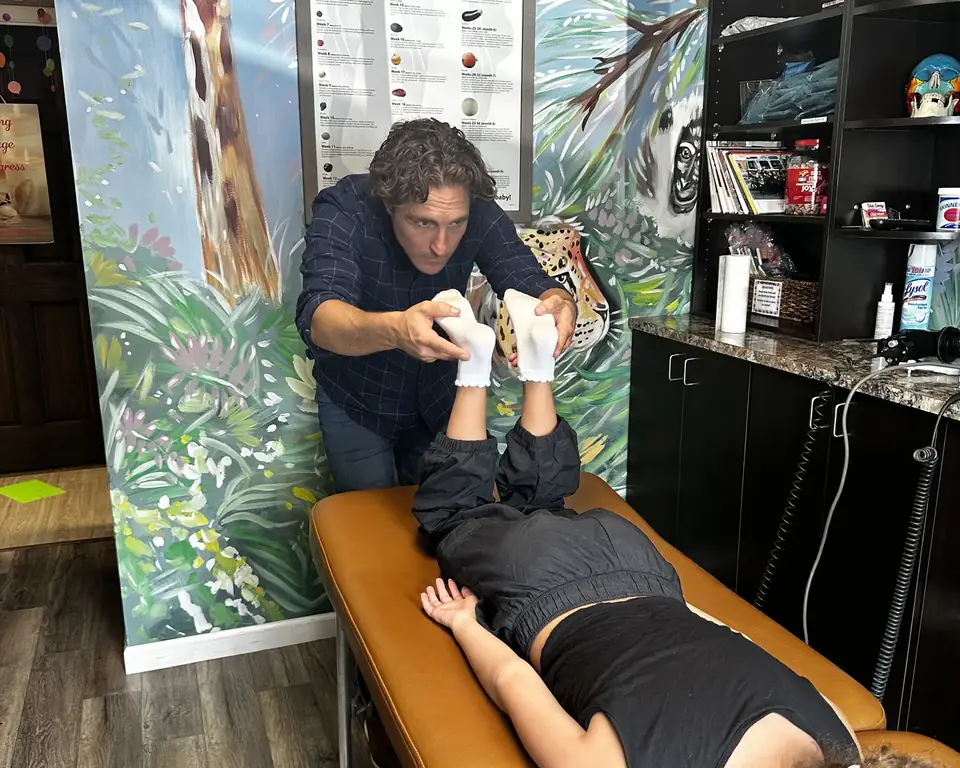
Attention Deficit Hyperactivity Disorder affects an estimated 5 million children in the United States, and plenty of adults carry the same struggle with focus, follow through, and self control into their working lives. At Van Every Family Chiropractic Center, our doctors take a drug-free, neurologically-focused approach that looks at what is happening in a child's nervous system, not just the behavior a teacher or parent notices first.
Most families we see have already tried something, a sticker chart, a 504 plan, sometimes medication, before they ever walk through our door. We offer a look at the nervous system underneath the diagnosis, along with gentle care aimed at helping it function better.
ADHD rarely looks the same from one child to the next. Some kids are in near constant motion, out of their seat, talking over classmates, acting before they think it through. Others sit quietly and still miss half of what was said, daydreaming through a lesson in a way that gets mistaken for defiance or laziness. Many struggle to keep track of belongings, manage time, or finish a multi step task, and the frustration that builds from all of it often comes out as a quick temper or a meltdown over something small. Sleep is frequently part of the picture too, a kid who fights bedtime or wakes up still tired, and missed social cues can make friendships harder to hold onto. The academic struggles that follow are often less about intelligence than about a nervous system that has trouble filtering out distraction long enough to focus.
The nerves that regulate attention and arousal exit the spine at the very top of the neck, the same area most affected by a hard delivery or an early fall.
ADHD is a neurological condition. Research points to a dysregulated autonomic nervous system in kids who struggle with it, along with altered brain wave patterns, weaker prefrontal cortex function, and sensory processing that runs hot or flat. Those differences show up as trouble sitting still, following instructions, or managing big feelings.
The picture looks different from kid to kid, from constant motion to quiet daydreaming that gets mistaken for not paying attention. That variety is part of why a cookie-cutter plan rarely fits, and why we start by looking at each child's own nervous system rather than a checklist of symptoms.
Much of it traces back to autonomic balance. When the sympathetic side of the nervous system runs too hot, a child ends up wired, impulsive, and prone to meltdowns and restless sleep. When the parasympathetic side that handles calming down is not pulling its weight, settling into focused, quiet work becomes much harder. Bringing those two systems back into balance is central to what our doctors are aiming for with care.
We start with a full history: birth, development, and exactly what focus and behavior look like at home and school. From there, our doctors run painless INSiGHT scans, thermal, heart rate variability, and muscle scans, along with a spinal exam focused on the upper neck (C1 and C2), where blood flow to the brain passes and the brain stem controlling arousal and attention sits just above.
Using Koren Specific Technique (KST) and Talsky Tonal Chiropractic (TTC), our doctors adjust with light, nervous system focused contacts, no cracking, popping, or twisting, often with less pressure than you would use to check a ripe tomato. We address the upper cervical spine first, then any other areas of tension the scans and exam turn up, working to improve the brain and body's ability to communicate.
One mom, Rose, brought in her son AJ after third grade brought new focus problems: homework stretching to three hours a night, trouble sitting still, trouble staying on topic. Testing turned up mild to moderate ADHD along with dyslexia. After a month of visits with our doctors, Rose noticed a real shift: AJ was calmer, more focused in conversation, and no longer climbing the walls. The family chose adjustments over prescription medication, and AJ has kept up his care since.
Parents frequently notice better focus on homework, fewer meltdowns, and steadier sleep within the first several weeks, along with steadier emotional regulation and smoother interactions with siblings and friends. Teachers often mention it before parents do: a kid who used to bounce off the walls sitting through a lesson, or turning in work that used to get lost in the shuffle.
Chiropractic care works alongside behavioral therapy, occupational therapy, and any medication your child's prescribing physician has in place. We are glad to coordinate with your child's other providers so everyone is working from the same picture.
Take the First Step If focus and behavior have been a daily fight, come talk with our doctors in Royal Oak about what a different approach could look like.
Contact UsChiropractic care is not aimed at ADHD as a disease to cure. What our doctors focus on is optimizing nervous system function, correcting the subluxations and tension patterns that can interfere with focus, self regulation, and impulse control. Most of the families we see notice real changes once the nervous system is working the way it should.
Yes. Using Koren Specific Technique (KST) and Talsky Tonal Chiropractic (TTC), our doctors adjust with light, nervous system focused contacts and no cracking, popping, or twisting. Many kids find the visits calming, and plenty ask to go back.
Yes. Chiropractic care works alongside any medication your child's prescribing physician has in place. We coordinate with your child's other providers, and if a family wants to discuss adjusting medication as focus and behavior improve, that conversation happens with the prescribing physician.
Every child's nervous system is different, so we do not quote a visit count before we have completed a full history, consultation, and INSiGHT scans. Those findings shape a care plan built specifically around your child, and we re-evaluate regularly to track how it is working and adjust as needed.
Yes. ADHD does not stop at childhood. Plenty of adults still struggle with focus, time management, organization, and impulsive decisions, and the same neurologically-focused care we provide to children can help adults too.
The first visit is a full consultation covering your child's history, current concerns, and goals, followed by painless INSiGHT scans that measure how the nervous system is actually functioning. At the second visit, our doctors walk you through what the scans found, lay out a care plan built around your child, and perform the first adjustment.
Genetics and brain chemistry get most of the credit for ADHD, but they rarely explain the whole picture. Here is the part of the story that often gets left out.
Cake at a birthday party turns one kid silly for ten minutes and sends another into a two hour meltdown. The sugar is not the real difference. Here is what is.
Homework battles, meltdowns, and restless sleep can look like five different problems. Often they trace back to one nervous system stuck in overdrive.
See what Royal Oak families say in our Google reviews and patient stories, or browse everything we offer.
Our doctors put together a full article on adhd & focus issues that explains what's really behind it and what lasting relief looks like. Get instant access below.
Van Every Family Chiropractic Center Royal Oak, Michigan
Free on-demand webinar for parents
Looking for answers for your child?
Focus struggles. Big emotions. Restless nights. Tummy troubles. Join our doctors for a free parent webinar exploring the nervous system connection and ways to support your child.
Explore the free webinarFree · About an hour · Watch anytime
