

What Your Nervous System Has to Do With Your Hormones
Normal labs and a month that still feels anything but normal. Hormone regulation runs through the nervous system, and that is where lasting change often starts.
Painful periods that plan your month for you. PMS that turns the week before your cycle into a storm. Energy that crashes, sleep that will not come, moods that swing, and a thermostat that seems broken. If you have been told your labs look normal or that this is just part of being a woman, you know how frustrating it is to feel dismissed while your body keeps telling you something is off.
Here is what often gets missed: hormones do not manage themselves. Every hormonal signal in a woman's body is directed by the nervous system, through command centers in the brain that read how safe and settled your body feels and adjust accordingly. When the nervous system is stuck in stress mode, month after month, hormone balance is one of the first things sacrificed.
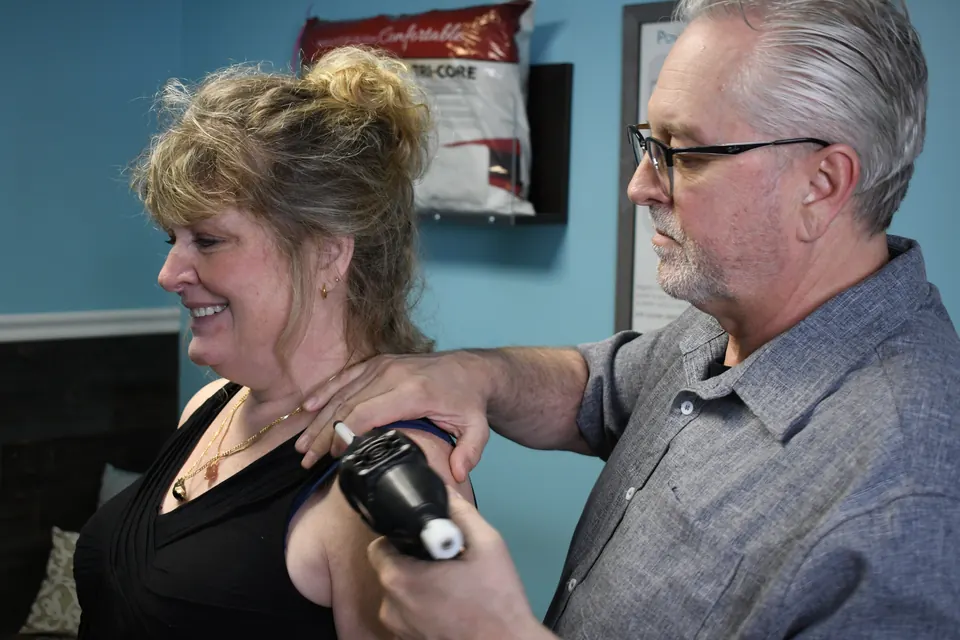
Using Koren Specific Technique (KST) and Talsky Tonal Chiropractic (TTC), our doctors use light, nervous system focused contacts, no cracking or twisting, to release that stored stress so the system running your hormones can find its rhythm again.
Hormone struggles wear a lot of costumes: cramps that keep you home, cycles that are irregular or heavy, tender breasts and bloating, breakouts that track your cycle, anxiety and irritability that arrive on schedule, and the hot flashes, night sweats, and brain fog of perimenopause. Many women bounce between specialists collecting normal test results while feeling anything but normal.
What ties these together is regulation. The same stress physiology that tightens your shoulders and shortens your sleep also shifts how your body produces and balances hormones. Cortisol, the stress hormone, is made from the same raw materials as your reproductive hormones, and when the body believes it is under threat, stress wins that budget fight every time.
Your hormones are not freelancers. They follow orders from the nervous system, and a nervous system stuck in survival mode gives very different orders than one that feels safe.
The hypothalamus and pituitary, the brain's hormone command centers, decide what gets released, when, and how much. They make those decisions based on the information flowing up the spinal cord about the state of your body. When stored spinal stress distorts that information, the command centers respond to a threat that is not there: cycles get erratic, PMS gets louder, energy and mood ride a roller coaster.
This is why our care does not chase individual hormones. Gentle adjustments reduce the interference so the fight or flight pattern can release, and a gentle INSiGHT scan, thermal, heart rate variability, and muscle (sEMG) readings, shows us objectively how much stress your nervous system is carrying and how it changes as care progresses. Heart rate variability in particular is a window into the same regulation capacity your hormone system depends on.
Women in our care often report cycles that arrive more predictably and pass with less drama: milder cramps, steadier moods, fewer PMS symptoms, and premenstrual weeks that no longer swallow a quarter of their life. Sleep tends to deepen, and energy stops swinging so hard.
For women in perimenopause, better regulation often means the transition feels less like a cliff and more like a slope: calmer nights, clearer thinking, and a body that adapts instead of lurching. And because it is the whole nervous system settling, benefits rarely stay in one lane.
Hormone health looks different at every stage, and our care meets you where you are: cycle and PMS struggles in your 20s and 30s, fertility and preconception preparation, postpartum recovery, and the perimenopause and menopause transition. Our doctors also make professional grade supplement support available through our Fullscript online dispensary, where our patients save 30%, for the nutrients hormone production leans on most.
Every plan starts the same way: listening to your story, scanning to see what your nervous system is actually doing, and building care around your body rather than a template.
Tired of Being Told It's Normal? If your cycles, moods, sleep, or energy have been running you instead of the other way around, come talk with our doctors in Royal Oak. Saturday appointments are available.
Book OnlineNot by targeting hormones directly, and that is the point. Your hormones are directed by the nervous system through the brain's command centers, which respond to the information arriving from your body. Gentle adjustments clear the stored stress distorting that information, so the system that regulates your hormones can do its job properly. When regulation improves, hormone symptoms often follow.
Lab ranges measure amounts at one moment; they do not measure regulation, the timing and coordination that make hormones work. A nervous system stuck in stress mode can produce normal-looking numbers and a miserable month. Our INSiGHT scans look at that regulation directly, which is often where the real story shows up.
Many women in our care report milder cramps, steadier premenstrual moods, and cycles that arrive more predictably as their nervous system regulation improves. Tension held in the low back and pelvis also eases with gentle care, which matters when cramps are part of the picture.
The transition asks a lot of your body's adaptability, and adaptability is exactly what nervous system regulation provides. Women navigating perimenopause often find that hot flashes, disrupted sleep, and brain fog become more manageable as their body shifts out of chronic stress mode. Care is gentle and adapted to you at every stage.
Our care itself is entirely hands-on and neurologically focused: no hormones, no prescriptions. For nutritional support, professional grade supplements are available through our Fullscript dispensary at 30% savings, and our doctors can point you toward what fits your situation.
Hormone patterns move in cycles, so give the process a few of them. Some women notice better sleep and steadier energy within the first weeks, while cycle changes typically show over two to three months. We rescan along the way so you can see your nervous system shifting, not just guess.
Normal labs and a month that still feels anything but normal. Hormone regulation runs through the nervous system, and that is where lasting change often starts.
Cortisol and your reproductive hormones are built from the same raw materials. When your body reads the week as a threat, one of them loses, and it is usually not the stress hormone.
See what Royal Oak families say in our Google reviews and patient stories, or browse everything we offer.
Our doctors put together a full article on women's hormone balance that explains what's really behind it and what lasting relief looks like. Get instant access below.
