

Why a Healthy Nervous System Still Needs Reserve Capacity
You feel fine. Sleep is decent, energy is steady, nothing hurts. That is not the same as having margin in your nervous system for the next hard week, and margin is what actually protects you.
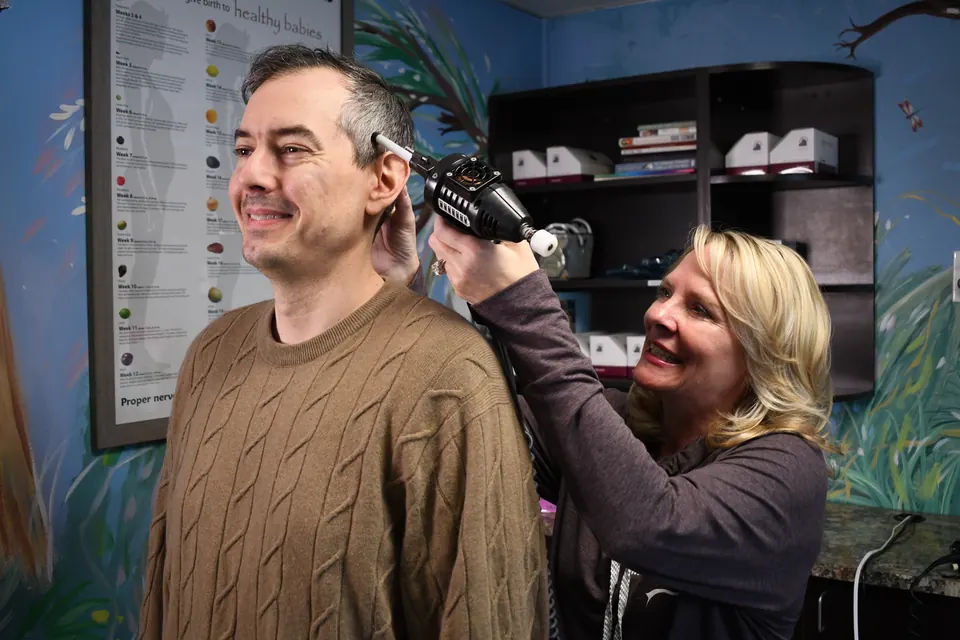
Feeling fine and functioning at your best are not always the same thing. You eat well, you exercise, you prioritize your family's health, and you are already ahead of most people when it comes to taking care of yourself. So here is a question people in your position rarely get asked: when was the last time anyone actually checked how your nervous system is functioning?
Your nervous system coordinates everything your healthy habits depend on: how well you recover from a workout, how deeply you sleep, how efficiently you digest a good meal, how steady your energy stays through a demanding week. Diet and exercise supply the inputs. The nervous system decides how well your body puts them to use.
Many of our patients at Van Every Family Chiropractic come to us not because something is wrong, but because they want an edge: better recovery, sharper focus, more resilience under stress. They understand that a nervous system check is part of a genuinely proactive health strategy, not something you wait to need.
It rarely shows up as a single complaint. More often it is a pattern: feeling more beat up after workouts than the training should explain, focus and clarity that come and go even with sleep and nutrition dialed in, a solid sleep routine that still does not translate into consistently restorative rest.
Athletes, executives, and busy parents carrying real physical or cognitive load want to perform well under it, and a preference for catching small issues early rather than waiting for symptoms to force the issue drives a lot of these visits. None of it feels urgent. That is exactly the point of checking before it does.
A nervous system can run quietly under strain for years before anything shows up as a symptom you would notice.
Our doctors start by learning about your goals and lifestyle, then run painless INSiGHT scans, thermal, heart rate variability, and muscle readings, to establish a real baseline for how your nervous system is functioning right now, not just how you say you feel that day, backed by a written report of findings.
Using Koren Specific Technique (KST) and Talsky Tonal Chiropractic (TTC), light, precise, nervous system focused contacts with no cracking or twisting, we correct the areas of interference the assessment turns up. Many wellness patients settle into a periodic maintenance rhythm once that baseline is established.
Faster, more complete recovery from training, and more consistent focus and mental clarity through the day. Deeper, more restorative sleep, and greater resilience during demanding stretches of work or life.
This works alongside your training and nutrition coaching, supporting the nervous system that determines how well those efforts actually translate into results.
Diet and exercise supply the inputs. The nervous system decides how efficiently your body puts them to use. Checking one without the other is only half the picture.
Take the First Step If you are already doing the work, find out what a nervous system baseline could add, right here in Royal Oak.
Book OnlineFeeling fine and functioning at your best are not always the same thing. A nervous system can run under strain for years before anything shows up as a symptom you would notice, which is exactly why proactive people check in before an issue forces the question.
The INSiGHT scans give our doctors a painless, objective baseline: thermal scanning to check for nervous system stress patterns, heart rate variability to assess how well your body handles and recovers from stress, and surface EMG to measure muscle tension along your spine. Together they show how your nervous system is functioning right now, not just how you say you feel that day.
Our doctors use Koren Specific Technique (KST) and Talsky Tonal Chiropractic (TTC), light, precise, nervous system focused contacts with no cracking or twisting. KST uses an instrument called the ArthroStim for very specific, gentle corrections, while TTC is entirely hands-on and tonal. Both are built around finding and releasing interference, not forceful manipulation.
It depends on what your baseline scans show and how your body responds. Many wellness patients settle into a periodic maintenance rhythm, often monthly, once their initial baseline is established, but our doctors will recommend a schedule based on your own results rather than a one-size-fits-all interval.
No. Wellness care through our office is designed to work alongside your training and nutrition coaching, not compete with it. Diet and exercise supply the inputs your body needs; a well-functioning nervous system determines how efficiently you actually use them.
Not at all. Athletes, executives, and busy parents carrying real physical or cognitive load are common examples, but anyone who is already investing in their health and wants an objective baseline, rather than a guess based on how they feel that day, is a good fit for wellness care.
You feel fine. Sleep is decent, energy is steady, nothing hurts. That is not the same as having margin in your nervous system for the next hard week, and margin is what actually protects you.
See what Royal Oak families say in our Google reviews and patient stories, or browse everything we offer.
Our doctors put together a full article on wellness & optimization that explains what's really behind it and what lasting relief looks like. Get instant access below.