

The Body Catches Up With You After the Deal Closes
You push through the launch, the quarter, the negotiation, and feel fine. Then the calendar finally clears, and your body sends the bill. Here is why that timing is not a coincidence.
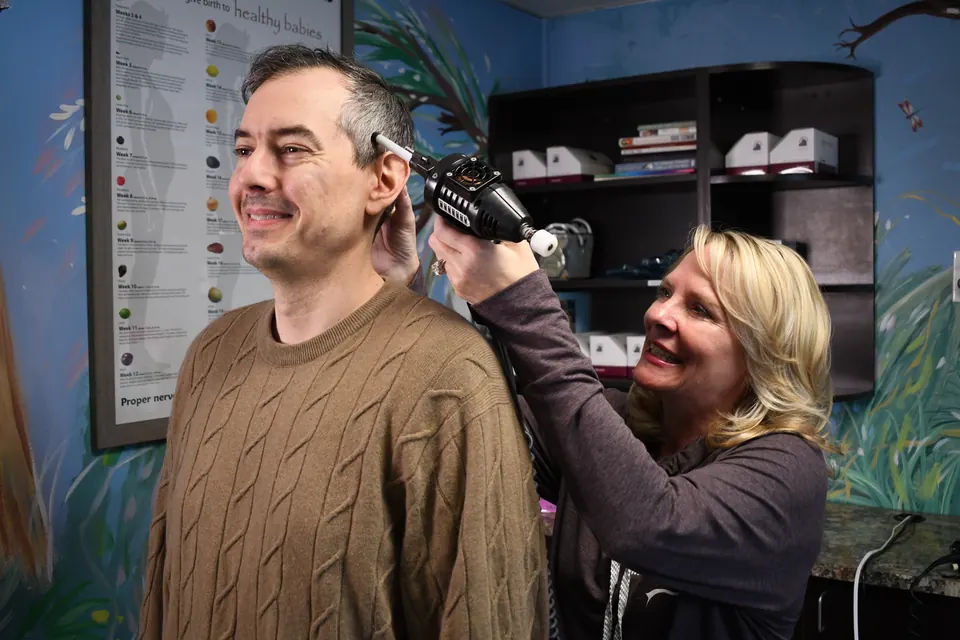
Your autonomic nervous system runs on two branches, and the easiest way to picture them is a gas pedal and a brake pedal. The sympathetic branch is the gas pedal, built for short bursts during real emergencies: adrenaline, a faster heart rate, blood pulled away from digestion and sent to your muscles. The parasympathetic branch is the brake pedal, responsible for sleep, digestion, healing, and immune function.
Both are supposed to take turns. The problem is when the gas pedal gets stuck down. Modern life, deadlines, notifications, traffic, does not actually ask your body to fight or flee, but your nervous system reacts as if it does anyway. Over time, a system that spends too much time on the gas pedal loses easy access to the brake, and that shows up as symptoms that have nothing to do with what stressed you out that day.
Fight-or-flight patterns show up differently from person to person, but they tend to cluster together. Some people notice it first as a heart rate that will not settle, even sitting quietly at their desk. Others notice it at night, lying in bed exhausted but wide awake because the body has not shifted into rest mode. Tight shoulders, a clenched jaw, or shallow, high chest breathing are all signs of a body braced for something that is not actually there.
Digestion often slows or misfires because the body keeps diverting resources toward the gas pedal response instead of rest and digest functions. Small stressors start landing bigger than they should, a common sign that your baseline is already elevated before the day even starts. None of this is really about what is stressing you out today. It is about a nervous system that has forgotten how to find the brake.
Fight-or-flight is not a switch that simply flips on or off. For a lot of people, it is a dial stuck partway toward stress, even during ordinary, safe moments.
A nervous system can get stuck toward the gas pedal for a lot of reasons: ongoing stress, poor sleep, an old injury the body never fully recovered from, or vertebral subluxations along the spine that interfere with the signals traveling between your brain and body. Because the sympathetic and parasympathetic branches share the same pathways that run through your spine, irritation or misalignment there can keep the sympathetic branch firing long after the original trigger is gone. Finding where that interference sits, rather than only addressing the symptoms it produces, is what actually shifts the pattern.
We start with a detailed history and INSiGHT scans, thermal, HRV, and sEMG, to get an objective read on how balanced your sympathetic and parasympathetic branches actually are, not just how you feel walking in that day. That gives us a real baseline to work from and a way to track whether it is shifting, visit to visit.
Using Koren Specific Technique (KST) and Talsky Tonal Chiropractic (TTC), our doctors make gentle, precise, nervous system focused adjustments, seated or standing, with no cracking or twisting, aimed at reducing the interference that keeps your system tilted toward the gas pedal rather than the brake.
Because we track your autonomic balance with INSiGHT scans across visits, we are not guessing whether your nervous system is settling, we can see it. Many people notice small shifts first, an easier time falling asleep, less tension in the jaw or shoulders, before they notice the bigger picture changing. Long standing patterns can take longer to unwind, but it is rarely too late to give the nervous system a way back to rest.
An easier time winding down at night, and less chronic tension in the neck, shoulders, and jaw. A calmer baseline, even during genuinely busy weeks, and better digestion once the body stops constantly bracing for something that is not there.
Most people describe it less as a single dramatic shift and more as everyday things finally landing at the size they actually are, rather than feeling like an emergency.
Take the First Step If your body has felt stuck in overdrive for longer than you can remember, our doctors in Royal Oak can take a closer look.
Book OnlineYour autonomic nervous system runs on two branches: a sympathetic gas pedal built for short bursts during real emergencies, and a parasympathetic brake responsible for sleep, digestion, healing, and immune function. Being stuck in fight-or-flight means the gas pedal stays partially down even during ordinary, safe moments, so the body never fully shifts into rest and repair.
Ongoing stress, poor sleep, old injuries the body never fully recovered from, and vertebral subluxations that interfere with the signals traveling between your brain and body can all keep the sympathetic branch firing longer than it should. Because the two branches share the same pathways through your spine, spinal interference is often part of the picture even when stress feels like the obvious cause.
Using Koren Specific Technique (KST) and Talsky Tonal Chiropractic (TTC), our doctors make gentle, precise adjustments aimed at reducing the spinal interference that keeps your nervous system tilted toward the gas pedal. We pair that with INSiGHT scans to track your autonomic balance objectively, rather than relying only on how you feel that day.
Yes. Our doctors use light, nervous system focused contacts with no cracking, twisting, or forceful manipulation. Adjustments can be done seated or standing, and every visit is adapted to your comfort.
Because we scan your autonomic balance with INSiGHT technology at intervals across your care, we can show you the trend in your sympathetic and parasympathetic activity, not just ask how you feel that day. Most patients notice smaller shifts first, easier sleep, less jaw or shoulder tension, before the bigger picture changes.
It varies with how long the pattern has been in place. Some people notice a calmer baseline within the first few visits, while long standing patterns can take longer to unwind. Either way, it is rarely too late to give your nervous system a way back to the brake.
You push through the launch, the quarter, the negotiation, and feel fine. Then the calendar finally clears, and your body sends the bill. Here is why that timing is not a coincidence.
Chronic muscle tension, trouble sleeping, big emotional swings. When a child's system stays revved up, everyday life feels harder than it should. Here is what calming it down actually involves.
Everyone assumes a busy parent is exhausted by default. If you actually feel wired and worn out at the same time, no amount of coffee or breathing apps has touched it, your nervous system may be stuck, not your schedule.
See what Royal Oak families say in our Google reviews and patient stories, or browse everything we offer.
Our doctors put together a full article on fight or flight that explains what's really behind it and what lasting relief looks like. Get instant access below.

