
When Your Child Goes Quiet Instead of Explosive
Everyone talks about the meltdown kid. Fewer people talk about the child who goes flat, quiet, and far away instead. If that's your child, here is what the checked-out pattern actually means.
What Parents of Kids With Big Reactions, Sensory Challenges, and Trouble Winding Down Need to Know
You know your child is not trying to be difficult. You have watched them go from calm to a full meltdown in seconds over something small, tried the strategies, adjusted the routines, and still the mornings are hard, sleep does not come easily, and loud places feel like too much.
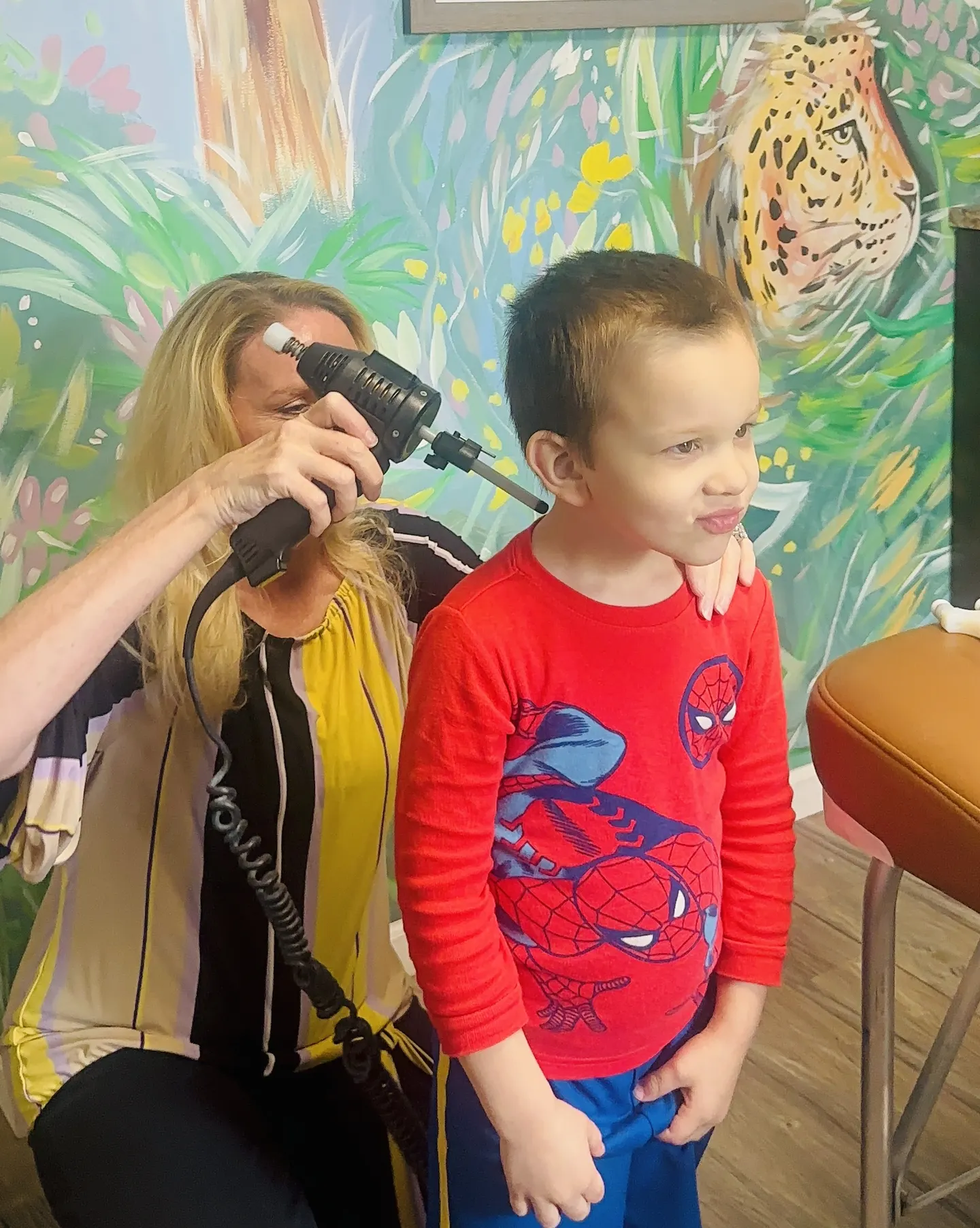
Here is what most families have not been told: meltdowns, sensory overload, and trouble winding down at night are often not three separate problems. They tend to share one root, a nervous system that has been stuck in its emergency setting far longer than it was ever designed to stay there. Our doctors use gentle, hands-on assessment along with Koren Specific Technique (KST) and Talsky Tonal Chiropractic (TTC) to help that nervous system find its way back toward calm.
Every child's nervous system has a gas pedal (fight or flight) and a brake pedal (rest and regulate). When the gas pedal is stuck down, the brake pedal cannot fully engage. A child in that state is not choosing to melt down or refuse to calm. Their nervous system literally cannot shift gears yet.
When a nervous system runs in a constant state of low-grade alert, the threshold for a full meltdown drops. Something small to an outside observer can be genuinely overwhelming to a system already running near its limit.
Getting calm again after activation is a brake pedal function. When that side cannot fully engage, kids stay stuck at the emotional peak longer than other children. That is physiology, not stubbornness.
A nervous system stuck in fight or flight has its sensory filters turned up. Sounds feel louder, textures feel more intense, and busy rooms feel genuinely threatening.
Sleep is the deepest brake pedal state there is. A child whose gas pedal is stuck cannot easily reach the state deep, restorative sleep requires.
When the nervous system reads the world as threatening by default, ordinary new experiences register as danger signals rather than simply new.
Emotional regulation is a nervous system skill, not only a behavioral choice. A reaction can arrive before the thinking part of the brain gets a chance to weigh in.
Many parents describe more space between a trigger and the meltdown response, as if the threshold for reacting has risen.
Sleep is frequently one of the first concrete changes families notice as the nervous system finds more access to its brake pedal at night.
As the nervous system spends more time in a regulated state, what previously overwhelmed a child often becomes more manageable.
Families often notice their child seeming more present and easier to redirect, sometimes before any single symptom fully resolves.
Our approach focuses on the autonomic nervous system, the balance between the gas pedal and the brake pedal, using objective INSiGHT scanning and two gentle techniques that support a shift toward calm.
INSiGHT neurological scans give us objective data about how your child's autonomic nervous system is functioning, including the balance between the gas pedal and the brake pedal.
We ask about pregnancy, birth, early illness, and developmental timeline. For many children the pattern started early and has been building since.
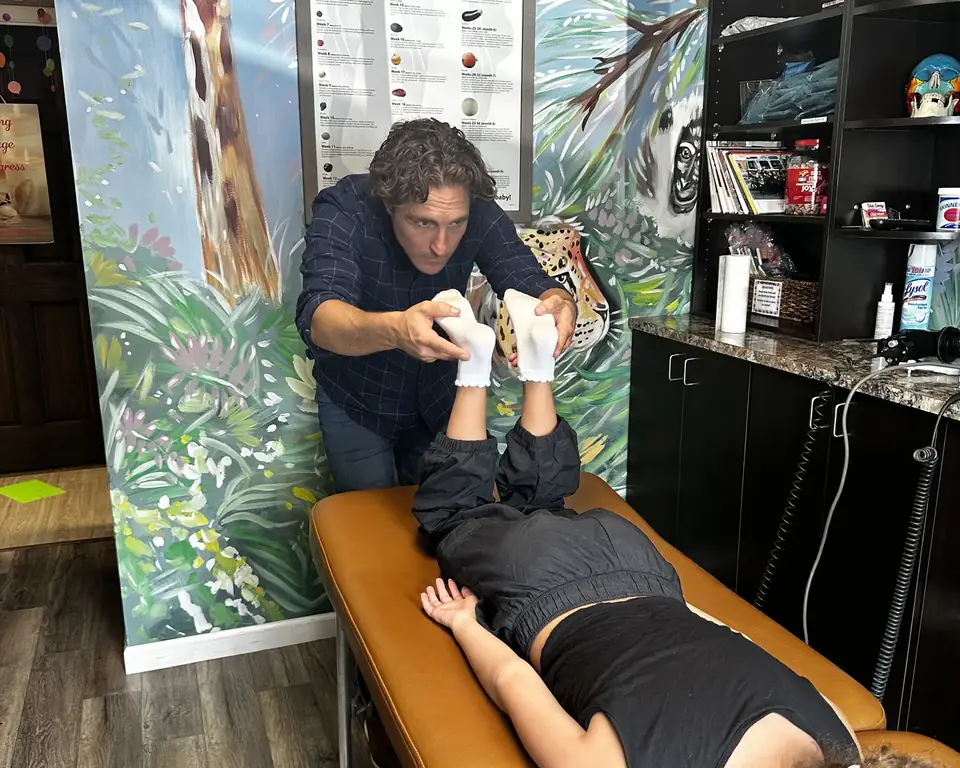
Using Koren Specific Technique (KST) and Talsky Tonal Chiropractic (TTC), our care is calibrated entirely to your child's age and nervous system state. No cracking, no twisting, no force.
We give the nervous system the input it needs to reorganize and regulate itself. Most children find sessions calming, and that calm is itself a meaningful shift.
Families often tell us they notice changes in:
Want to Understand What's Behind Your Child's Big Reactions? Learn how a nervous system stuck in fight or flight can drive meltdowns, sensory overwhelm, and sleep struggles all at once, and what gentle nervous system care can look like for your child.
Book OnlineEmotional regulation is a nervous system skill, not only a behavioral one. When the autonomic nervous system is stuck in an alert state, the brain circuits that allow a child to pause and regulate are genuinely harder to reach. Gentle, neurologically focused care supports a shift toward the calmer, rest and regulate state, which gives those circuits more room to work.
Often, yes. Meltdowns, sensory overload, and sleep struggles can share the same nervous system root: a system stuck on the gas pedal side. This is why families frequently notice improvements across several of these areas at the same time rather than as separate wins.
No. We encourage families to keep every therapy already in place. Our care is not a replacement for occupational therapy, behavioral therapy, or any other support your child receives. Many families find those strategies become more effective once the nervous system has more capacity to use them.
This is very common, and our techniques are built for exactly this. Koren Specific Technique (KST) and Talsky Tonal Chiropractic (TTC) are both extremely gentle, with no cracking, twisting, or sudden movement. We explain every step, work at your child's pace, and follow their cues throughout.
They overlap, since a dysregulated nervous system often sits underneath both patterns. This page focuses on the broader sympathetic-dominant picture, meltdowns, sensory overwhelm, and sleep struggles together, while our behavior page focuses more specifically on defiance and discipline-resistant behavior. Many families find both pages describe pieces of the same child.
Everyone talks about the meltdown kid. Fewer people talk about the child who goes flat, quiet, and far away instead. If that's your child, here is what the checked-out pattern actually means.
Early progress was real. Then it slowed down. Before assuming the care has stopped working, it's worth checking whether something outside the office is competing for your child's nervous system.
A dropped crayon turns into ten minutes of screaming. A change in plans turns into a full meltdown. This is not a discipline problem, and here is what is actually driving it.
See what Royal Oak families say in our Google reviews and patient stories, or browse everything we offer.
Our doctors put together a full article on meltdowns & sensory overwhelm that explains what's really behind it and what lasting relief looks like. Get instant access below.
Van Every Family Chiropractic Center Royal Oak, Michigan
Free on-demand webinar for parents
Looking for answers for your child?
Focus struggles. Big emotions. Restless nights. Tummy troubles. Join our doctors for a free parent webinar exploring the nervous system connection and ways to support your child.
Explore the free webinarFree · About an hour · Watch anytime
