Seizure disorders, including epilepsy, are neurological conditions involving abnormal electrical activity in the brain. At Van Every Family Chiropractic Center, we offer gentle, supportive care focused on optimizing nervous system function, an approach many families find genuinely helpful alongside their medical treatment.
The spine protects the spinal cord, a direct extension of the brain, and tension in the upper cervical spine can affect nerve function and brainstem communication. Improving that communication may support overall neurological health, and easing physical stress on the nervous system may help some patients some of the time. Your neurologist manages the seizure disorder itself; we work as a steady, supportive layer underneath that care.
How Seizures Show Up
Seizure disorders look different from patient to patient. Generalized seizures, tonic-clonic, absence, and myoclonic, involve the whole brain, while focal seizures start in one area and may or may not change awareness. Children often experience febrile seizures triggered by fever or develop childhood epilepsy, and seizures sometimes follow a head injury later in life. Some patients continue to have seizure activity even while on medication. Our doctors have worked with families across all of it.
The Upper Cervical Connection
The upper cervical spine sits close to the brainstem, where much of the nervous system's regulatory work begins. We pay particular attention to this area, using gentle, precise adjustments rather than broad work across the spine.
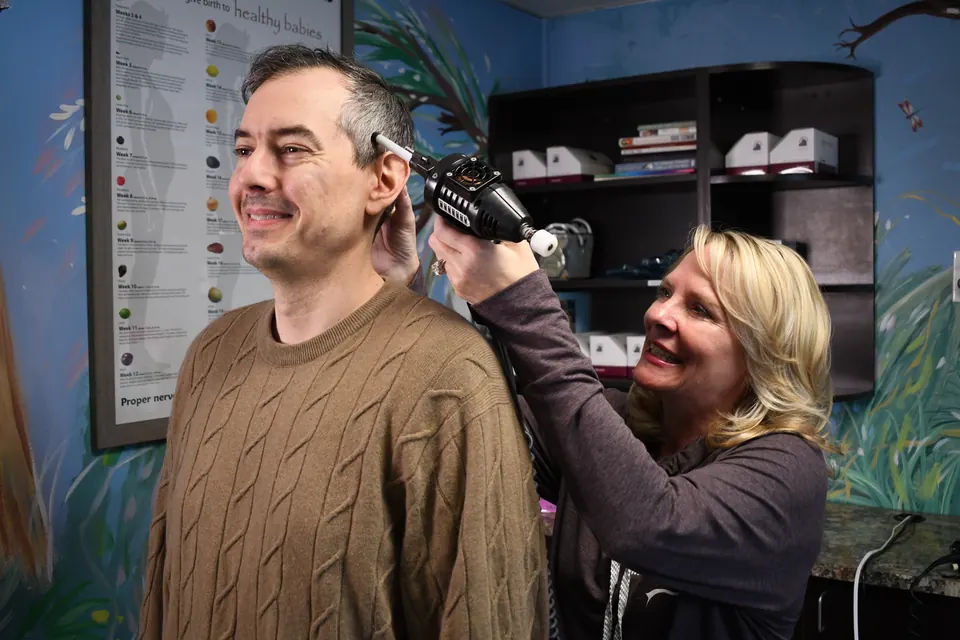
Our neurological assessment, including INSiGHT scanning (thermal, HRV, and sEMG), gives us an objective read on nervous system function so we can track changes over time and share progress with your neurology team.
Extra Care, Every Visit
We start with a comprehensive history, INSiGHT scanning to see where stress is held in the nervous system, and, when it's helpful, a conversation with your neurologist before we ever touch your spine. Using Koren Specific Technique (KST) and Talsky Tonal Chiropractic (TTC), our doctors use light, nervous-system focused, tonal contacts, no forceful manipulation of any kind, which matters especially for a nervous system that is already sensitive.
What to Expect
We track changes in nervous system function over time and adjust your care plan based on how you respond. Your neurology team continues to manage the seizure disorder directly; we stay in communication with them and share what we're seeing so everyone is working from the same picture.
We never suggest changing or stopping medication, that conversation belongs with your neurologist. What we add is a calmer, better-regulated nervous system underneath the care you're already receiving, and a doctor who stays in touch with the rest of your care team.
What Families Tell Us
Better sleep, less physical tension, and a stronger overall sense of wellbeing show up often in what parents and patients report. Some notice changes in seizure frequency, and occasionally a better response to medication, though it looks different from family to family.
Take the First Step
If you're looking for steady, complementary support alongside your seizure management plan, our doctors in Royal Oak are glad to talk it through.
Common Questions
Can chiropractic care cure epilepsy or seizure disorders?
Is chiropractic care safe for someone with seizures?
Should I stop my seizure medication to start chiropractic care?
Do you work with children who have seizures?
Will you communicate with my neurologist?
What happens during the first visit?
Related: PANDAS & PANS Support · Sleep Disorders · Anxiety & Stress · ADHD & Focus Issues · Neurological Assessment