

Why Acid Reflux Keeps Coming Back After Medication
Acid suppression helps for a while, then the reflux returns. Here's what the vagus nerve has to do with the pattern medication alone can't reach.
Natural Support for Digestive Comfort Through Nervous System Care
Acid reflux and GERD (gastroesophageal reflux disease) are more than heartburn. Left unmanaged, they disrupt sleep, wear on your throat, and turn ordinary meals into something to dread. Our doctors support patients with reflux by addressing the nervous system function that controls digestion, rather than simply suppressing acid production.
Your digestive system is controlled by the vagus nerve and the autonomic nervous system, both directly influenced by spinal alignment, particularly in the upper cervical and mid-thoracic regions. When there is interference along these nerve pathways, it can affect esophageal function, stomach acid regulation, and the coordination of digestion itself.
Reflux shows up differently from person to person. A burning feeling in the chest or throat after meals or when lying down. A sour taste that backs up into the mouth. A sensation of food sticking on the way down. Symptoms that flare at night, disrupting sleep and leaving a hoarse voice by morning, or a cough that lingers for no obvious reason.
In babies, reflux tends to look like spitting up, arching during feeds, fussiness, and slow weight gain. Birth is physically demanding on a small spine, and the upper cervical area affects the same vagus nerve pathway involved in adult reflux.
The nerve that controls the valve keeping acid where it belongs begins in the brainstem, just above the top of the neck, long before it ever reaches the stomach.
Reflux is common in babies, and parents often see spit-up, arching and fussiness during feeds. Our doctors check how your baby's neck and spine are moving and how the vagus nerve, which helps run digestion, may be affected, and use a very gentle touch where it fits.
Babies are welcome from the first days of life. See our newborn and infant chiropractic page and our pediatric chiropractic page to learn more.
The vagus nerve controls the lower esophageal sphincter, stomach acid production, and how well food moves through the digestive tract. It originates in the brainstem, just above the upper cervical spine, which is why alignment in that specific area matters so much for reflux.
The thoracic spine and diaphragm also play a structural role in keeping acid where it belongs. When alignment and nerve function in these areas are working as they should, the mechanisms that prevent reflux have a better chance of doing their job.
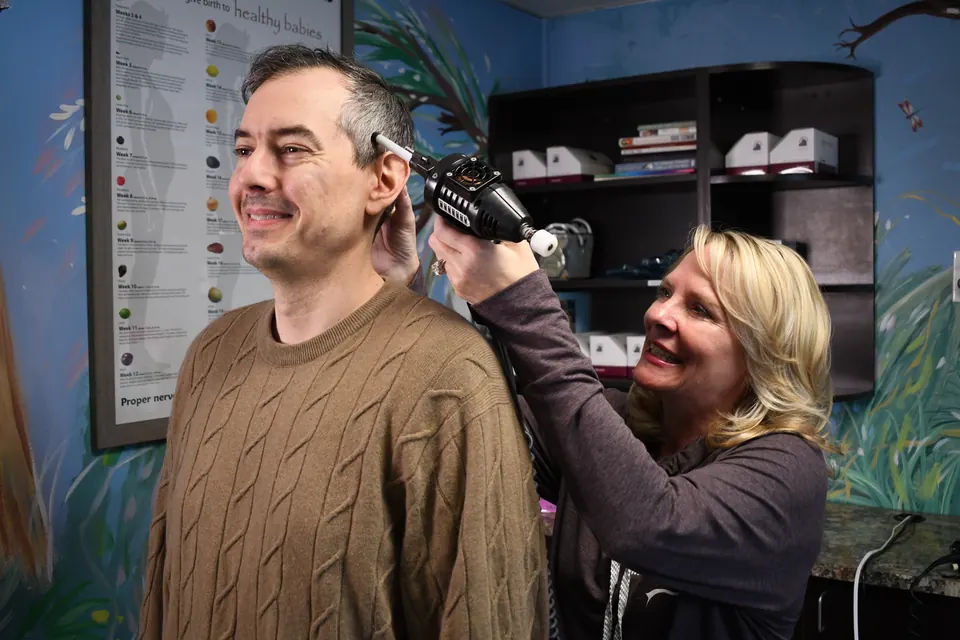
We start by evaluating your spine with particular attention to the upper cervical and thoracic regions that supply your digestive organs, along with a conversation about your history and current triggers. Painless INSiGHT scans, thermal, heart rate variability, and sEMG, along with a report of findings, show us where your nervous system is holding onto stress, tension patterns from past physical or emotional stress that your body has not yet released.
Using Koren Specific Technique (KST) and Talsky Tonal Chiropractic (TTC), our doctors deliver light, nervous-system focused adjustments with no cracking, popping, or twisting, seated or in whatever position is comfortable for you. We also talk through lifestyle and dietary factors that tend to matter for reflux, and we are glad to coordinate with your gastroenterologist.
Less frequent and less severe heartburn. Fewer nights interrupted by reflux. An easier time enjoying a meal without bracing for what comes after, and many patients find they lean on antacids far less than they used to.
Parents of babies with reflux often notice calmer feeds and less arching within the first few visits, since the same upper cervical work that helps adult digestion applies just as directly to an infant's developing nervous system.
Babies and adults come to our Royal Oak office from Berkley, Ferndale, Troy, Birmingham, Clawson and Madison Heights.
Our office is at 4203 Rochester Rd, Royal Oak, MI 48073, on Rochester Road between 13 and 14 Mile. Call or text us at (248) 616-0900, or visit the New Patient Center to see what happens at a first visit.
New to Van Every? Call or text us at (248) 616-0900 and we will help you find the right visit time.
Call or text (248) 616-0900Our doctors focus on the nervous system function that controls digestion, including the vagus nerve that regulates the lower esophageal sphincter and stomach acid production. Many patients find their reflux becomes less frequent and less severe as that nervous system function improves.
No. Chiropractic care works alongside whatever medical treatment you are already using for reflux. We do not manage medications ourselves, and we are glad to coordinate with your gastroenterologist or primary care provider as part of your care.
Yes. Many parents notice real improvement in a baby's reflux after gentle chiropractic care. Birth is demanding on a small spine, and upper cervical tension can affect the same vagus nerve pathway involved in feeding and digestion. Our doctors adjust babies with contacts so light most parents say they cannot tell an adjustment happened.
The vagus nerve, which controls stomach acid production and the esophageal sphincter, originates in the brainstem just above the upper cervical spine. The thoracic spine also supplies nerves to the stomach and diaphragm. Interference in either area can get in the way of normal digestive function.
Diet and lifestyle matter, and we talk through your triggers and habits as part of your care. Our focus is the nervous system piece, the vagus nerve and spinal alignment that influence how your body regulates acid and moves food through the digestive tract, since that piece is the one most often overlooked.
Every person responds differently, so we do not give specific timelines until we have completed a thorough history, consultation, and INSiGHT scans. That evaluation shows us the nervous system factors behind your reflux and shapes a care plan built around your case. Chronic GERD sometimes calls for longer-term support, and we track your progress at every visit.
Yes. Dr. Anna Saylor (DICCP) and our team see babies with reflux at 4203 Rochester Rd in Royal Oak. Families come from Berkley, Ferndale, Troy and nearby towns. Call or text (248) 616-0900.
Acid suppression helps for a while, then the reflux returns. Here's what the vagus nerve has to do with the pattern medication alone can't reach.
A chronic cough, a raspy voice, ear infections that keep coming back. None of it looks like reflux, and that is exactly why silent reflux so often gets missed.
See what Royal Oak families say in our Google reviews and patient stories, or browse everything we offer.
Our doctors put together a full article on acid reflux & gerd that explains what's really behind it and what lasting relief looks like. Get instant access below.
