You have a diagnosis, a treatment plan, and a rheumatologist managing the disease. That care matters, and it keeps working while you are here. But many people living with rheumatoid arthritis are never told about a second layer that shapes how the condition feels from one day to the next: the nervous system's role in regulating the inflammation itself.
The vagus nerve has a direct and measurable influence on the immune signaling behind RA. Through a pathway researchers call the cholinergic anti-inflammatory reflex, it signals immune cells to dial down the very inflammatory molecules that drive the disease. That layer is worth understanding, because it is one you can actually support.
What We Hear From Rheumatoid Arthritis Patients
Morning stiffness that lasts an hour or more before the joints loosen up. Symmetrical pain, often in the small joints of the hands, wrists, and feet, striking both sides at once. Flare-ups that track reliably with the most stressful stretches of life.
And a deep, whole-body fatigue that goes well beyond the joints. RA is a systemic condition, and the heavy tiredness so many patients describe reflects the immune and nervous system load the whole body is carrying, not just what is happening in the hands.
The Body's Built-In Anti-Inflammatory Brake
Your nervous system has two modes that matter here. The gas pedal, the sympathetic system, ramps up inflammation and keeps the body on high alert. The brake, the parasympathetic system and especially the vagus nerve, calms inflammation and helps the body recover. What stands out about RA specifically is how directly that brake reaches the immune system.
Research shows that a majority of rheumatoid arthritis patients have measurable autonomic dysregulation, with reduced heart rate variability and impaired vagal tone. That vagal suppression is not only a consequence of RA: reduced vagal tone tracks with disease activity, which means the nervous system is not just responding to the inflammation, it appears to help regulate it. Years of inflammation and stress can push the system into a pattern it cannot shift out of on its own.
Our Approach
Our care works on the nervous system layer, alongside the rheumatology care you already have. We start with INSiGHT scans, thermal, heart rate variability, and sEMG readings, which give our doctors objective data on the sympathetic-parasympathetic balance and vagal tone that influence how effectively your body regulates inflammation. HRV is precisely the marker so often suppressed in RA, and it is one we can measure and track.
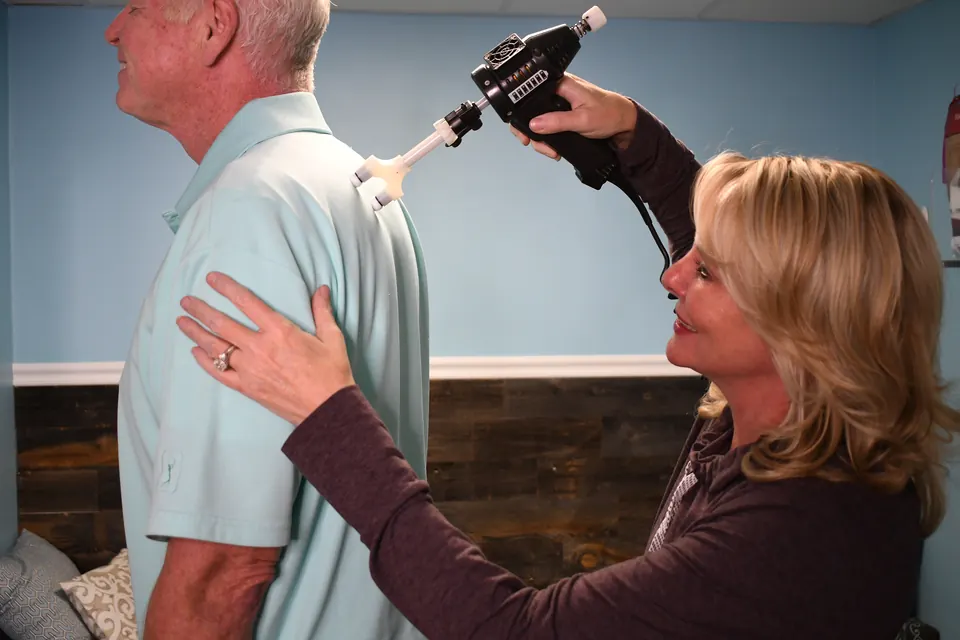
Using Koren Specific Technique (KST) and Talsky Tonal Chiropractic (TTC), we make light, nervous system focused contacts, no cracking or twisting, and no force on inflamed or sensitized joints. The precision of these techniques means we can address the tension patterns and autonomic imbalance around the joints without stressing the joints themselves, supporting the vagal anti-inflammatory pathway and easing the guarded, high-alert state the body has been holding.

What Patients Notice
Many patients notice their flares come less often and feel less intense as vagal tone improves and the body's own anti-inflammatory pathway becomes more active. Morning stiffness frequently eases over the first several weeks of care, with more fluid movement through the day.
Sleep and energy often improve too, sometimes before the joints change at all, a sign the nervous system shift is working at a deeper, more systemic level. And many patients describe a change in how they relate to the disease itself: from just managing it to having a layer they can actively support.
What to Expect
Your first visit starts with our doctors listening: your history, your current care, and what your nervous system has been dealing with. Then we run INSiGHT scans, no radiation and no discomfort, to establish an objective neurological baseline. From there we build a care plan unique to you, with gentle, light-force adjustments tailored to what your scans show, and we rescan over time so you can see whether the nervous system is actually shifting.
A Layer You Can Actively Support
If you are living with rheumatoid arthritis and want to support the nervous system side of the picture, come see our doctors in Royal Oak. Saturday appointments are available.
Common Questions
How can chiropractic care help with an autoimmune condition like rheumatoid arthritis?
Is the adjustment safe for inflamed joints?
Will this interfere with my medications or my rheumatologist's plan?
Why do my flares always hit during stressful weeks?
What do the INSiGHT scans actually measure?
How soon do patients notice changes?
Related: Arthritis · Fibromyalgia · Chronic Fatigue · Vagus Nerve Function · Stuck in Fight or Flight