

What an MTHFR Gene Result Does, and Does Not, Mean
Hearing that your child carries an MTHFR gene variant can feel like a life sentence. The full picture is calmer, and the nervous system plays a bigger part than the gene itself.
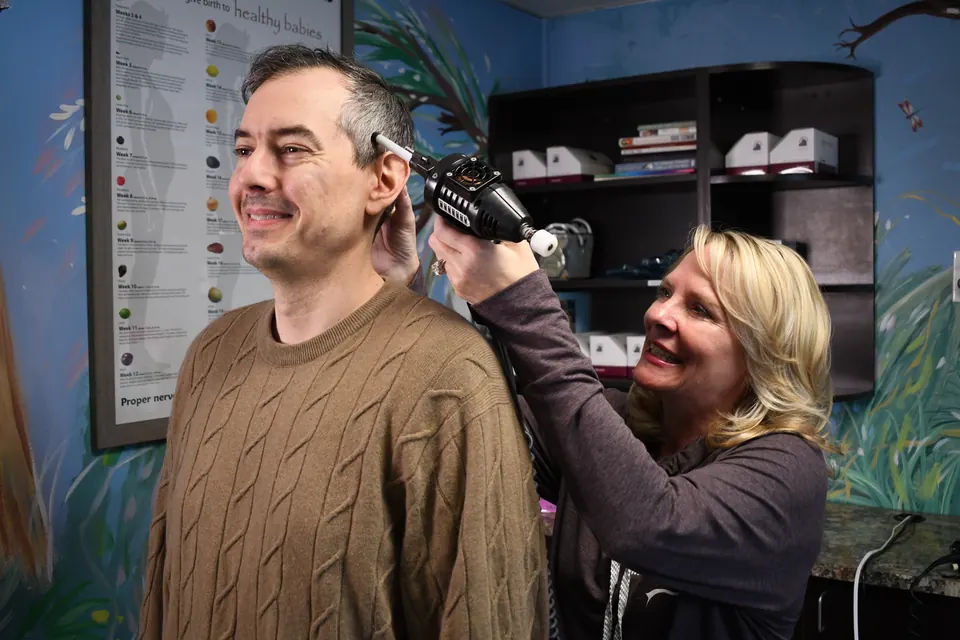
Your nervous system is made up of your brain, your spinal cord, and a vast network of nerves that branch out to every organ, muscle, and gland in your body. It is the command and communication system for everything else. Your heart rate, your digestion, your immune response, your sleep cycle, and how your body handles stress are all coordinated by this one system, and most people have never had it checked.
The spine exists to protect the spinal cord, but it also plays a direct role in how well the nervous system communicates. When a segment of the spine loses its normal motion or position, it can create interference in the signals traveling between the brain and body. That interference does not always hurt. It can show up instead as fatigue, poor sleep, digestive trouble, or a body that seems to stay stressed no matter what is going on around it.
Our doctors are trained to find and gently correct that interference using Koren Specific Technique (KST) and Talsky Tonal Chiropractic (TTC), two gentle, precise approaches with no cracking or twisting.
Nervous system interference rarely announces itself the way an injury does. Sleep can leave you tired anyway, because the body never fully shifts into rest mode. Tight shoulders, a stiff neck, or a jaw that clenches without you noticing are common, along with energy that crashes and surges unpredictably through the day.
Getting sick more often than expected, a foggy feeling that will not clear, or a body that seems to run tense no matter what is happening around it can all trace back to the same source. Most people treat these as separate, unrelated issues instead of recognizing them as signs of one underlying cause.
Nervous system interference often shows up as reduced function long before it ever shows up as pain.
Our doctors start with your history and what you have noticed, then use precise, non-invasive tools, including INSiGHT thermal, heart rate variability, and muscle scans, to locate areas of nervous system interference along the spine. You get a written report of findings to walk through together, so you can see exactly what we found.
Using Koren Specific Technique (KST) and Talsky Tonal Chiropractic (TTC), two gentle, precise approaches with no cracking or twisting, we correct the specific areas identified. You can be adjusted seated, standing, or in whatever position works best for you.
Because the nervous system coordinates sleep, energy, digestion, and immune response together, restoring its function tends to show up in more than one place at once. The vagus nerve alone touches digestion, heart rate, and inflammation, which is part of why patients often report changes in several areas of life at once, not just the one that brought them in.
That is also why a nervous system check can be worth doing even for people who feel generally fine. Interference shows up as reduced function well before it becomes a symptom you would notice, which means waiting for pain is not the same as waiting for a problem to start.
A clearer sense of how symptoms they had not linked together, poor sleep, low energy, frequent colds, actually connect to one system. Better sleep and steadier energy through the day are among the most common changes patients describe.
Less chronic tension throughout the body, and a calmer overall baseline, even during stressful stretches. Many patients say they feel more like themselves again.
Take the First Step Curious what a nervous system check could reveal? Our doctors see patients on Saturdays in Royal Oak and would love to walk you through it.
Book OnlineNervous system interference happens when a segment of the spine loses its normal motion or position and disrupts the signals traveling between your brain and body. It does not always cause pain. It can show up instead as fatigue, poor sleep, digestive trouble, or a body that stays tense no matter what is going on around it.
Our doctors start with your history and what you have noticed, then use INSiGHT thermal, heart rate variability, and muscle (sEMG) scans to locate areas of nervous system interference along the spine. You get a written report of findings so you can see exactly what we found before any care begins.
Yes. Our doctors use Koren Specific Technique (KST) and Talsky Tonal Chiropractic (TTC), two gentle, precise approaches with no cracking, twisting, or forceful manipulation. We adjust every patient, from infants to seniors, in whatever position is comfortable for them.
Often, yes. Interference tends to show up as reduced function, lower energy, or restless sleep well before it becomes a symptom you would notice. Many patients come in feeling generally fine and are surprised by what the scans reveal.
A nervous system check looks at how well your brain and body are communicating overall, not just whether a specific area hurts. Our doctors use the same gentle KST and TTC techniques, but the goal is restoring function across sleep, energy, digestion, and immune response, not just relieving a single symptom.
Hearing that your child carries an MTHFR gene variant can feel like a life sentence. The full picture is calmer, and the nervous system plays a bigger part than the gene itself.
Your child's supplement shelf keeps growing and you are not sure what is actually needed anymore. Here is a plain-language way to think through what to keep, what to question, and why.
If you already know brain inflammation is part of your child's picture, here is what you can actually do about it day to day, from food and sleep to the nervous system piece most people never hear about.
See what Royal Oak families say in our Google reviews and patient stories, or browse everything we offer.
Our doctors put together a full article on nervous system 101 that explains what's really behind it and what lasting relief looks like. Get instant access below.
