
If you have come across the word subluxation before, it was probably in a medical context, a partial dislocation of a joint after a fall or a sports injury. That is a real and separate condition, and it is not what we mean when nervous system focused chiropractors use the term. The chiropractic meaning of subluxation describes something happening inside the spine and nervous system, and understanding the difference matters if you are trying to make sense of what your child's care is actually addressing.
Two Different Definitions, Same Word
In medicine, a subluxation is a partial separation of a joint, where the bones still touch but are no longer sitting fully in place, usually from an acute injury. In chiropractic, the term vertebral subluxation, sometimes called the vertebral subluxation complex, describes a functional breakdown in how the spine communicates with the nervous system, affecting alignment, joint motion, and the signals traveling along the way. It does not always show up as a dramatic change on an X-ray, because what is actually being measured is function, not just bone position.
Both uses of the word are valid in their own field. A medical subluxation is about structure. A chiropractic subluxation is about how well signals are traveling between the body and the brain.
The Three Parts of a Subluxation
Chiropractic subluxation is generally described through three components working together:
- Misalignment. A shift in the normal positioning of the spine within the neurospinal system.
- Fixation and restricted motion. Abnormal tension in a spinal segment that limits its normal range of movement.
- Neurological interference. The combination of misalignment and restricted motion disrupts the sensory signals traveling into the brain, creating interference and imbalance in the nervous system.
The piece that ties all three together is proprioception, the body's built in sense of where it is in space. Proprioception relies on tiny sensory receptors scattered through the joints, muscles, and connective tissue, all of which need to stay in clear, steady contact with the brain. When a subluxation is present, that communication gets disrupted, and the brain can end up receiving more noise and stress signals than it should.
Why the Upper Neck Matters So Much
The upper neck and brainstem region carries an especially high concentration of these sensory receptors, along with nerve roots tied to some of the body's most basic functions: breathing, heart rate, blood pressure, digestion, immune response, sensory processing, and motor control. This area also sits right alongside the vagus nerve and the autonomic nervous system, which is split into a sympathetic branch, which drives the body's fight or flight reaction, and a parasympathetic branch, which handles rest, digestion, and settling the whole system back down.
When a subluxation affects this region, it can throw off the balance between those two branches, a state sometimes called dysautonomia. In adults, that imbalance often shows up as pain. In kids, it tends to look different, showing up instead as sensory sensitivity, digestive or immune trouble, or challenges with motor tone and coordination.
How Subluxation Tends to Build in Kids
Children are particularly prone to developing subluxation because of a handful of stressors that tend to stack on top of each other:
- Stress and anxiety during pregnancy, which research has connected to changes in how a developing baby's nervous system forms
- Birth interventions such as forceps, vacuum extraction, or a C-section, along with the intense pressure of even an uncomplicated vaginal delivery, all of which can create real physical strain on a newborn's upper neck and brainstem
- Ordinary early childhood stressors like colic, reflux, constipation, and repeated ear infections or rounds of antibiotics
Each of these can push a child's nervous system further into a fight or flight pattern, making it harder to rest, digest, and recover the way a growing body needs to. None of these stressors are unusual or rare, which is exactly why subluxation shows up in so many children rather than being limited to kids who went through one dramatic event. It tends to build quietly, one ordinary stressor layered on the next, until a parent finally notices a pattern that will not resolve on its own. We call this stacking pattern the Perfect Storm, prenatal stress, birth stress, and early childhood stress landing on the same developing nervous system.
How We Find It
Because chiropractic subluxation is a functional pattern rather than a structural one, an X-ray alone will not reveal it. Our doctors use INSiGHT scanning technology to measure nervous system activity directly, including thermal imaging of the neurospinal system, surface EMG readings of neuromuscular tension, and heart rate variability, which reflects how well a child's nervous system is adapting to stress. Together, these scans give us an objective picture of where stress is concentrated and how a child's nervous system is regulating overall.
How Our Doctors Address It
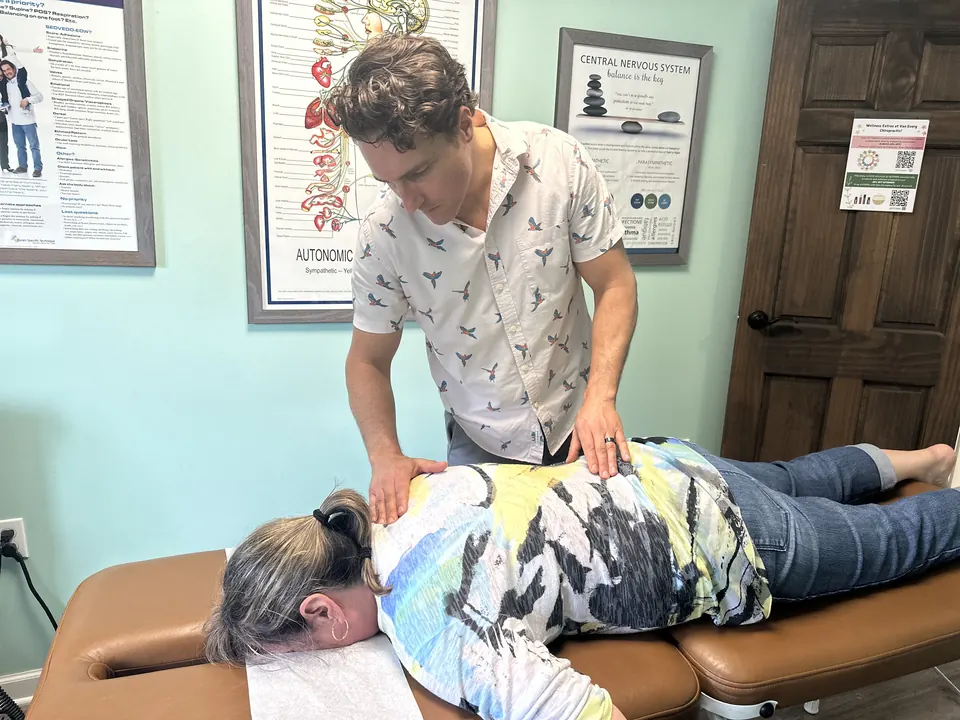
Using Koren Specific Technique and Talsky Tonal Chiropractic, our doctors work with light, nervous system focused contacts tailored to each child's exam and scan findings, with no cracking, popping, or twisting involved. The goal is to ease the misalignment, restriction, and neurological interference that make up a subluxation, so the nervous system can communicate the way it is designed to. Every child's pattern looks a little different, so we reassess along the way and adjust the plan as your child responds.
Where to Go From Here
Understanding subluxation as a nervous system pattern, rather than a structural injury, changes what an exam is looking for and what a care plan is actually trying to accomplish. It also changes what progress looks like along the way, less about one dramatic turning point and more about steady, measurable shifts in how well your child's nervous system is regulating over weeks and months of care. You can read more about how we approach nervous system care, call us at (248) 616-0900 with any questions, or book online with our doctors in Royal Oak.


