
At some point, you probably stopped mentioning it. The stiffness when you get out of bed, the ache that shows up by mid afternoon, the twinge you feel when you reach for something on a high shelf. It did not go away. You just stopped bringing it up, because it became part of how your day works now. You built small workarounds without ever deciding to: favoring one side when you carry groceries, avoiding a certain stretch when you reach, sitting a particular way in the car. None of it felt like a big decision. It just became normal.
That quiet shift is worth paying attention to, because it is not the same thing as getting better. It is your body compensating, and compensation and lasting change are two very different things wearing a similar disguise.
How Compensation Actually Shows Up
Compensation rarely looks dramatic. It shows up as small changes in how you move that you barely notice making. You take the stairs a little differently. You reach for a coffee mug with your less dominant hand without thinking about why. You shift your weight off one hip when you stand at the sink. Individually, none of these seem like much. Over months, they add up into a body that has rearranged itself around discomfort rather than resolved it.
Another common sign is pain that used to feel sharp and specific gradually becoming duller and harder to pin down. That is not always your body improving. Sometimes it is your nervous system turning down the volume on a signal it has been hearing for a long time, which can make the original problem feel less urgent even as it continues underneath the surface.
Why the Body Compensates Instead of Correcting the Problem
Your nervous system is built to keep you functioning, and it is very good at finding a workaround when something is not moving the way it should. If a joint or muscle group is under stress, nearby muscles will often pick up the slack so you can keep walking, working, and carrying on with your day. That workaround is genuinely useful in the short term. The trouble is that it was never meant to be permanent, and a body that has been compensating for months or years usually develops new strain in the muscles and joints that took on the extra work, on top of whatever started the original problem.
This is part of why chronic pain often does not trace back to one clear moment. By the time discomfort has been around for a long stretch, it usually is not about a single damaged structure anymore. A subluxation or old injury can leave the nervous system stuck in a heightened stress response, so ordinary signals get amplified and generalized well beyond where the trouble first started, while the compensations you built around it quietly layer on more tension elsewhere.
Why Noticing Less Pain Is Not the Same as Being Fine
It is easy to read a quieter symptom as good news. Sometimes it is. But when the quiet comes from compensation rather than resolution, it usually means the underlying pattern is still there, doing its work in the background, and simply harder to notice day to day. A body that has learned to route around a problem can carry that arrangement for a long time before something else, often somewhere new, starts to hurt.
That is often how patients end up in our office describing a second or third problem area that seems to have appeared out of nowhere. It rarely came from nowhere. It came from months of a nervous system quietly working around an issue that never got addressed directly.
Our Approach
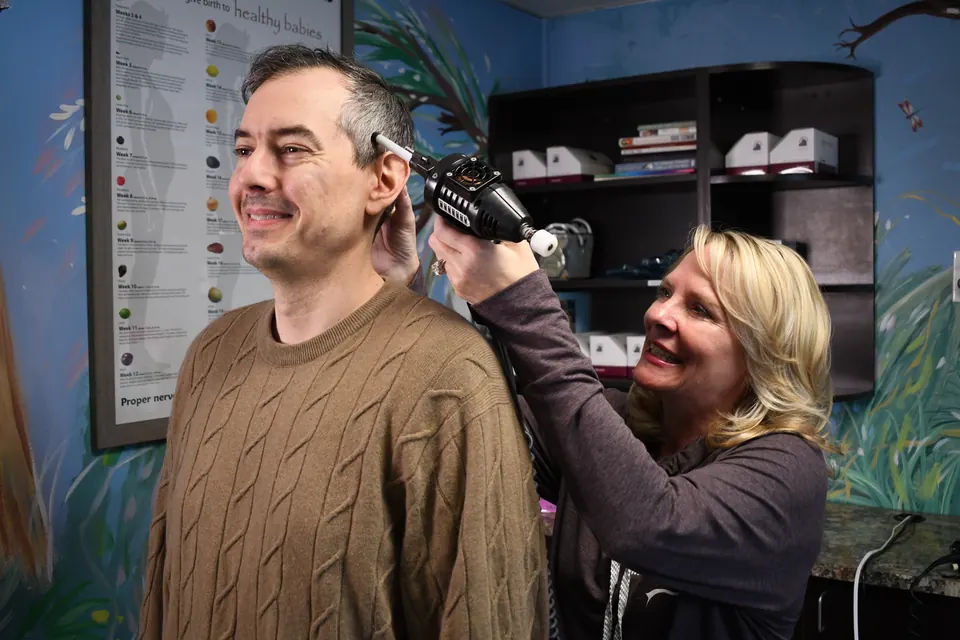
We start with your whole history, every place that has bothered you, when it started, and what you have noticed yourself compensating for, even if it never felt worth mentioning before. From there, we run painless INSiGHT scans, thermal, heart rate variability, and muscle readings, that show us where your nervous system is actually under stress, not just where you happen to feel it right now.
Using Koren Specific Technique (KST) and Talsky Tonal Chiropractic (TTC), our doctors locate and correct the specific areas of nervous system tension driving the pattern, adjusted in whatever position is comfortable for you that day. As the original signal settles, many patients notice the workarounds they had built without realizing it start to fall away on their own, rather than needing to be corrected one by one.
What Patients Notice
Patients often describe moving more naturally again, without thinking about which side they favor or which position they avoid. Many notice they stopped bracing in ways they had not realized they were doing, and some find that a second problem area they had come to accept eases at the same time as the original complaint, since it had been part of the same compensation pattern all along.
- Pay attention to small habits, favoring a side, avoiding a stretch, sitting a certain way, and mention them at your next visit even if they seem minor.
- Notice when a pain that used to feel sharp starts to feel duller or harder to locate. That shift is worth bringing up, not ignoring.
- Keep moving through a normal range of motion rather than avoiding it altogether, within what is comfortable, so the body does not settle further into a guarded pattern.
- Watch for new aches in areas that were not originally the problem. They are often connected.
- Let us know at your next visit if a compensation pattern shifts, since that tells us the correction needs to adjust with it.
Where to Go From Here
If you have quietly rearranged your life around an old ache, that adjustment is worth a second look. You can read more about how our doctors approach chronic pain, or get our free guide on the nervous system side of pain that will not fully resolve. When you are ready, book online with our doctors in Royal Oak, or call us at (248) 616-0900.
