
Gentle Chiropractic Care for POTS in Royal Oak: What to Expect
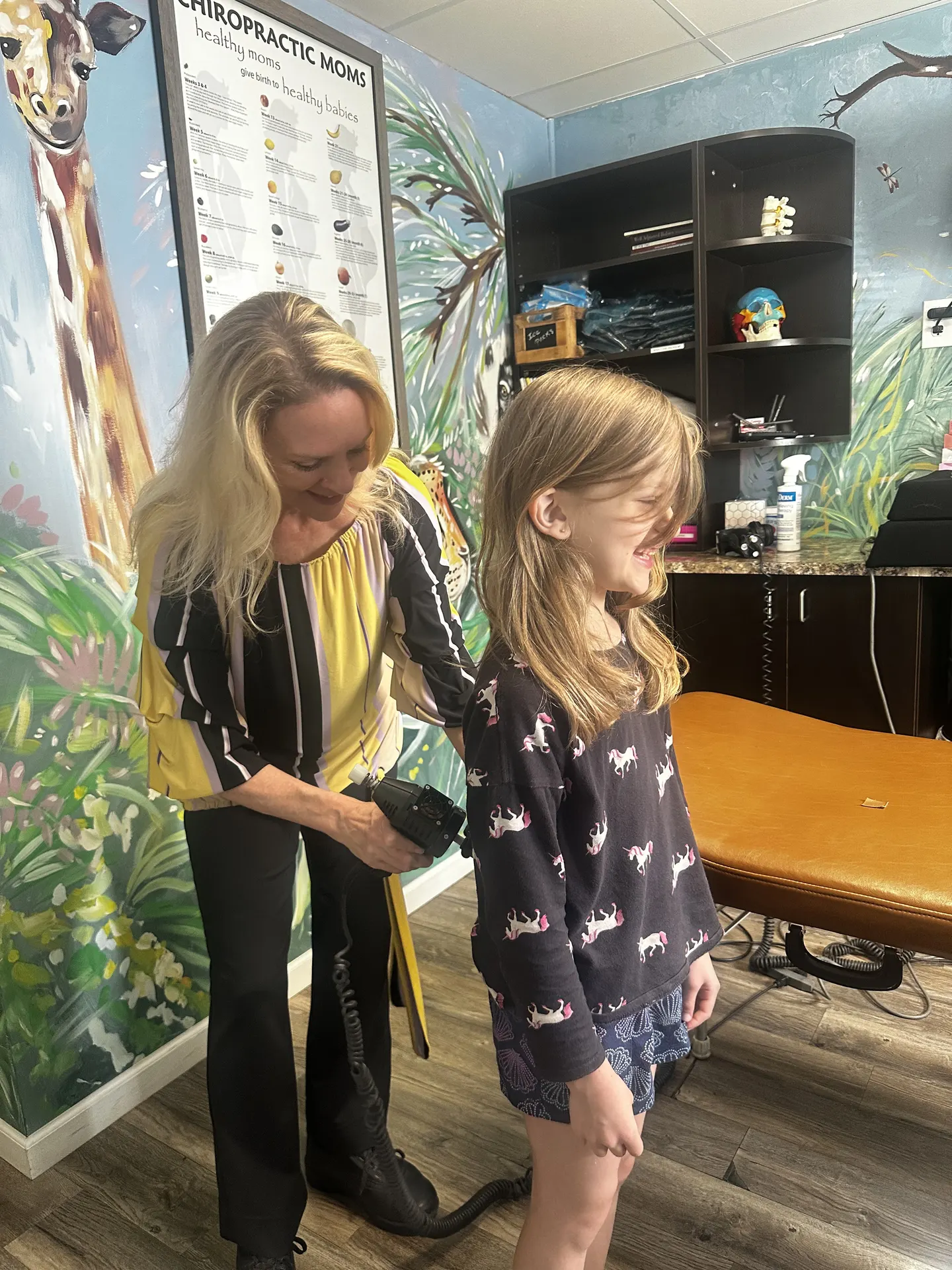
What gentle chiropractic care for POTS looks like at our Royal Oak office: no cracking, no popping, no twisting, and a first visit that starts with your whole story.
49 articles from our doctors on nervous system 101, newest first.
What gentle chiropractic care for POTS looks like at our Royal Oak office: no cracking, no popping, no twisting, and a first visit that starts with your whole story.
Every POTS criterion fits a body in protection mode. Here is how we measure the nervous system at Van Every Family Chiropractic Center in Royal Oak, with no radiation.
We shared how POTS can look like layers of old stress the body is still holding, and how our measured, gentle approach works at our Royal Oak office.
Dr. Zach Conner explains what POTS is, why your heart races when you stand up, and why people with POTS are told it's anxiety. Part 1 of 5 from Van Every in Royal Oak.
When your heart races every time you stand up, it is not just anxiety. Dr. Zach Conner explains POTS and how we look at the nervous system in Royal Oak.
You stopped mentioning the ache months ago because it just became part of your day. That quiet adjustment is not recovery. It is your nervous system compensating, and it usually hides a bigger problem.
It is tempting to think one long, intense visit could undo months of nervous system stress. It rarely works that way. Here is why steady, spaced out care tends to hold better than one big push.
Hearing that your child carries an MTHFR gene variant can feel like a life sentence. The full picture is calmer, and the nervous system plays a bigger part than the gene itself.
Ear infections that keep coming back, gut issues that never fully settle, energy that never seems to recover. Sometimes a body gets stuck defending itself long after the original trigger is gone.
Your child's supplement shelf keeps growing and you are not sure what is actually needed anymore. Here is a plain-language way to think through what to keep, what to question, and why.
If you already know brain inflammation is part of your child's picture, here is what you can actually do about it day to day, from food and sleep to the nervous system piece most people never hear about.
Symptoms are often the last clue to show up, after a child's nervous system has already been working overtime for a while. Here is why we measure function directly instead of waiting.
Something that worked wonders for another family's child does nothing for yours, and it is not because you are doing anything wrong. Here is the map that explains why timing matters as much as the plan.
Your child has been labeled distractible, moody, or oversensitive more than once. Some of that may trace back to something more specific happening in their brain than anyone has named yet.
An autoimmune diagnosis often arrives after months of vague symptoms and no clear answers. Here is the nervous system piece that many families never hear about, and how it may fit alongside your child's medical care.
Diet changes, more sleep, less screen time, none of it moves the needle for your child. Understanding what neuroinflammation actually is, mechanically, may explain why the usual advice keeps falling short.
Clumsiness, trouble with buttons and zippers, bumping into furniture. Coordination that lags behind peers often traces back to how well the body and brain are communicating, not effort or practice.
Your child has been getting adjusted regularly, yet the scans keep flagging the same upper neck area. Here is why that repeated pattern is usually a good sign, not a stalled one.
Speech therapy, OT, and every supplement on the list gave you real progress at first. Then it stopped. Here is what a plateau usually means and what tends to be missing from the plan.
Trouble calming down, one health issue after another, sleep that never fully rests. These signs can look like a dozen separate problems. Often they trace back to one thing.
Ear infections rarely arrive alone. Often they're one chapter in a longer story that started as a fussy newborn stretch and keeps changing shape as your child grows. Here is the nervous system thread connecting them.
Breathwork, cold plunges, elimination diets, every supplement you could find. If none of it stuck, the tools were probably never the issue. Something underneath needed to be repaired first.
The exhaustion sleep alone will not touch. The stomach that has been off for months on end. Blood work that keeps coming back normal. Here is the piece those labs were never built to measure.
Birth, falls, posture, growth spurts. Subluxation rarely comes from one dramatic event. It usually builds from ordinary moments that add up faster than most parents realize.
Flinching at light touch, covering ears at ordinary sounds, tripping over their own feet. It can look confusing from the outside. Understanding the wiring underneath makes it click.
Not sick, not quite themselves, and no one can tell you why. When your child's mood, sleep, and focus all seem slightly off at once, it is often one nervous system pattern, not five separate problems.
A few weeks into care, your child seems more emotional, or their sleep looks different, or a rash shows up out of nowhere. Here is what that phase often is, and is not.
Chronic childhood conditions keep climbing even as families try harder than ever to do everything right. The pattern points to something conventional care rarely gets to examine.
The worry, the restless nights, the stomachaches before school. They look like three separate problems, but they often trace back to one nervous system pattern.
Sleep trouble, digestive upset, sensory sensitivities. Before any of the symptom-specific pieces make sense, it helps to understand the system running underneath all of them.
You've probably heard the phrase "nervous system dysregulation" and had a rough sense of what it means. Here's what it actually refers to, and how to spot it in daily life.
The diets, the supplements, the specialists, the therapy schedule that would exhaust anyone. If your child has tried all of it and still hits the same wall, here is the piece that usually gets missed.
A poor sleeper, a picky eater, a kid with big moods, three problems that often turn out to be one nervous system pattern. Here is a starting point for understanding what connects them.
You want a number: how many visits until this gets better. The honest answer depends on your child's history and what the data shows, and that's actually the more useful approach.
Diet, exercise, and sleep get all the attention. Nervous system regulation rarely gets mentioned, even though it may be the lever underneath all three.
The child who used to settle easily now can't seem to calm down. The missing piece is usually not willpower or discipline. It's the brake side of the nervous system.
Subluxation is not one thing. It builds in stages, and knowing which stage your child's nervous system is sitting in changes what to expect from care and how quickly things tend to shift.
Sleeping better before the big behavioral shifts show up. A tougher week before things ease. Here are the three phases nervous system care tends to move through, and how to read where your child actually is.
Nervous system regulation gets mentioned constantly but rarely explained. Here is a full, plain-language walkthrough of what it is and why it touches nearly every part of a child's health.
Your child's health struggles and your own exhaustion often feel like two separate stories. Subluxation, tension stuck in the nervous system, is frequently the same pattern running in both.
Fight or flight gets mentioned constantly, rarely organ by organ. Here is a plain walk through what your child's sympathetic nervous system changes in the body, and why it matters when it never turns off.
Meltdowns, stomach aches, sensory overload, trouble sleeping. These can look like separate problems, but they often trace back to one nervous system stuck out of balance. Here is the full picture.
You've heard the term pediatric chiropractic but weren't sure what it involves. Here's a plain starting point: what we look at, why, and how cumulative stress builds on a developing nervous system.
Dysautonomia is a word most parents have never heard until a specialist says it out loud. Here is what it actually means, why it gets missed by ordinary lab work and imaging, and how gentle chiropractic care fits in.
Tremors, weakness, or sudden loss of function that every scan comes back clean for. Functional Neurological Disorder is real, confusing, and more common than most families realize.
Chronic childhood illness is not one problem with one cause. It is usually prenatal stress, birth stress, and early life stressors stacking on the same nervous system.
Not how sick or healthy your child is right now, but which direction they are headed. One question, asked consistently, tells you more than any single symptom checklist.
Tremors, seizures that are not epilepsy, sudden weakness, and no clear disease behind any of it. Functional Neurological Disorder has a real definition, even when scans come back clean.
The word subluxation means one thing to a medical doctor and something else entirely to a nervous system focused chiropractor. Here is the chiropractic definition, in plain terms.
Back to the full blog to search every topic at once.
Book online, or call (248) 616-0900 and our front desk will find a time that fits your family.
Book Online