
A forward head posture is easy to spot and easy to dismiss at the same time. Parents notice the rounded shoulders, mention it once or twice, and move on, because it looks like a cosmetic issue rather than something that reaches much further into a child's body. It usually reaches further. A head that sits forward of the shoulders changes how the jaw comes together, how much a chest can expand with each breath, and how often headaches show up on an ordinary school day, and most of those connections never make it into the conversation.
How Tech Neck Shows Up
The pattern usually starts small: a dull ache or stiffness across the neck first, then tension headaches that seem to come out of nowhere on a day that did not feel especially stressful. Rounded shoulders bring their own ache, tight through the chest and weak through the upper back. Some kids describe tiredness that does not match how much sleep they got, worn down by the extra energy it takes to hold a forward leaning head up all day. A normal head weighs around 10 to 12 pounds, but tilted forward to the angle most kids use to look at a phone or tablet, that same head can feel like it weighs closer to 60 pounds to the muscles holding it up, hour after hour.
The Jaw Connection
Because the position of the head changes how the lower jaw meets the upper jaw, a forward head posture frequently brings jaw tension and clicking along with it, sometimes showing up as jaw pain or a habit of clenching that a parent notices only when a dentist mentions it first. The jaw and the upper neck share nerve pathways and muscle attachments, so tension rarely stays confined to just one of them.
The Breathing Connection
A collapsed chest posture limits how much the ribs can expand with each breath, which means a child holding a forward, rounded posture all day is quietly taking in less air per breath than their body actually needs. Over time, that shows up as fatigue that does not track with activity level, or a child who seems to need more recovery time after simple exertion than their friends do. Parents rarely connect afternoon tiredness to posture, because the two seem unrelated on the surface, but a chest that cannot fully expand is working against the child all day long, not only during the moments the posture is most visible.
The Headache Connection
Tension headaches and forward head posture travel together often enough that we see them as one pattern rather than two coincidental complaints. The muscles at the base of the skull work harder to stabilize a head that has drifted forward of its natural position, and that sustained effort is a common driver of the tension headaches that show up by mid afternoon on a heavy screen day.
Why Catching It Young Matters
A child's spine responds faster to correction than an adult's does, and tech neck is showing up younger than it used to, sometimes in kids as young as 7 or 8. The longer a forward head pattern sits in place, the more the spine's curve adapts around it, and the harder that adaptation becomes to shift later. Starting before those changes settle in is almost always easier than correcting them once they are established.
Our Approach
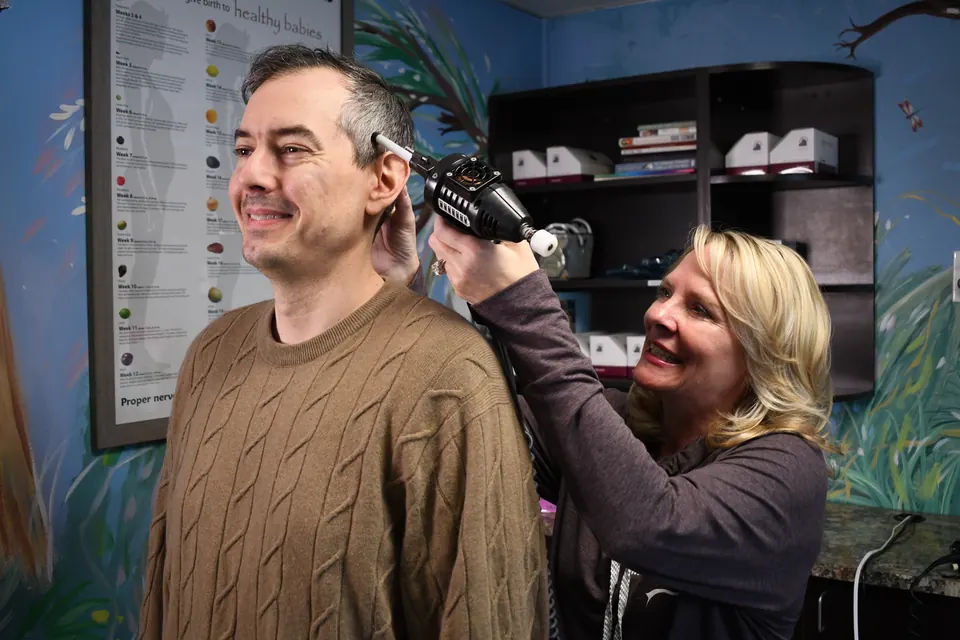
We start with INSiGHT scanning, thermal, heart rate variability, and sEMG readings, alongside a posture assessment that shows exactly how much strain your child's current head position is placing on their nervous system, so you can see the numbers rather than just noticing the slouch. Using Koren Specific Technique (KST) and Talsky Tonal Chiropractic (TTC), our doctors adjust with light, nervous system focused contacts, no cracking, popping, or twisting, and we can adjust your child in the exact posture that triggers their symptoms rather than only in a neutral position on a table.
Habits Worth Building Early
- Hold phones and tablets at eye level instead of looking down for long stretches
- Set up a proper desk height for homework rather than working from a bed or the couch
- Build in a break every 15 to 20 minutes during screen time to change position and take a few full breaths
- Notice jaw clenching or clicking and mention it at your next visit, since it often travels with neck posture
- Encourage activities that open the chest, like swimming or gymnastics, alongside screen time rather than instead of addressing the posture itself
What Parents Often Notice
Improving posture tends to clear up problems families did not originally connect to it: headaches ease alongside the neck and shoulder tension, breathing feels easier as the chest opens back up, and energy often improves once the body is not working so hard just to hold the head up all day. Many parents tell us their child's posture looks visibly better to teachers and family before the child mentions feeling any different themselves. Small changes tend to compound here: a lighter backpack, a raised screen, and a few extra breaks through the day add up to noticeably less strain by the end of a school week, even before any single change feels significant on its own.
Where to Go From Here
If tech neck in your child looks like more than a posture habit, jaw tension, headaches, or unexplained fatigue are worth mentioning at a visit. Learn more on our posture and tech neck page, or download our free guide. When you are ready, book online with our doctors in Royal Oak, or call us at (248) 616-0900 with any questions first.