You've probably heard some version of it more than once: your bloodwork is normal, maybe it's anxiety, have you tried drinking more water and adding salt. Meanwhile your heart pounds every time you stand up from the couch, grocery aisles feel unsafe some days, and you're exhausted in a way that sleep doesn't touch. Getting a POTS or dysautonomia diagnosis at all can take years, and even once you have the name for it, the plan you're handed often feels like it's managing pieces of the problem rather than the whole thing.
None of that is in your head. Research estimates that POTS affects somewhere between one and three million Americans, over 85% of them women, and roughly one in one hundred teenagers. It's under-recognized, not rare. And the adrenaline surges and racing heart that come with it are driven by autonomic nervous system dysfunction, not a psychological cause, even though the episodes can feel a lot like a panic attack.
How POTS and Dysautonomia Show Up
This rarely looks the same from one person to the next. Some people feel their heart rate spike the moment they stand, followed by dizziness or a near faint that makes stairs feel risky. Others notice profound fatigue and exercise intolerance, a body that can't handle activity it used to manage without a second thought. Brain fog, temperature swings between too hot and too cold, digestive trouble, restless sleep, and adrenaline surges that mimic anxiety round out the picture for many patients. Heart pounding on standing, a gut that stopped cooperating, a brain that won't focus, exhaustion sleep doesn't fix, those often aren't five separate problems. They tend to trace back to one nervous system that's lost its ability to regulate.
Where the Spine Comes In
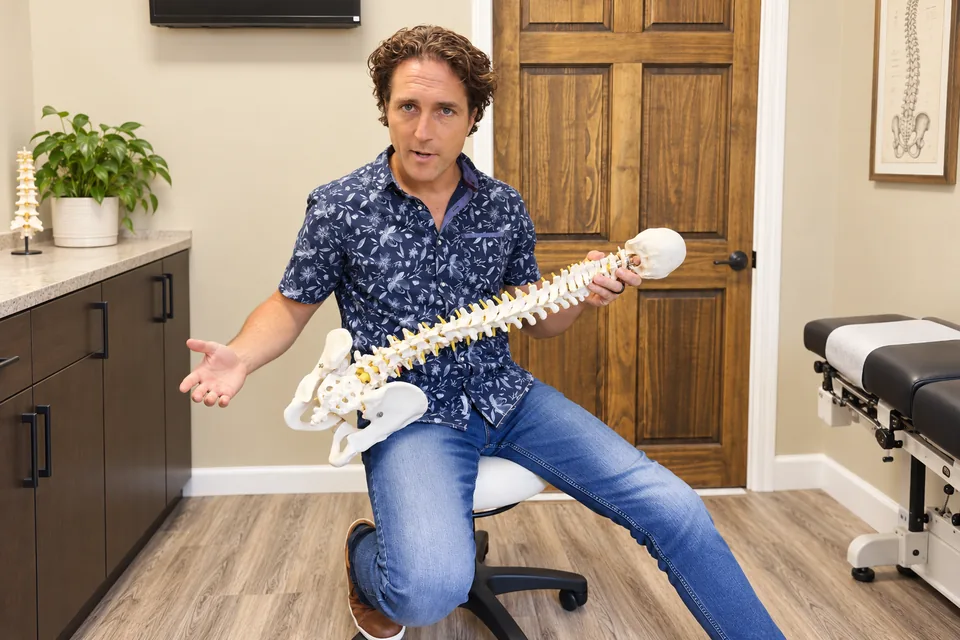
The autonomic nervous system is closely tied to the spine. The brainstem, which serves as its control center, sits at the base of the skull. The vagus nerve passes directly through the upper cervical spine. The sympathetic chain runs alongside the thoracic spine, and sacral nerves contribute to parasympathetic function. When tension builds in these areas, whether from a viral illness, an injury, or stress the body never got to release, autonomic regulation tends to suffer. Post-viral illness, including long COVID, and hypermobility conditions like Ehlers-Danlos syndrome are both associated with dysautonomia, up to 80% of EDS patients experience some form of it, which is a reminder that there's often a traceable path to how someone arrived here.
The Gas Pedal That Won't Let Up
Picture the nervous system as having two pedals. The sympathetic side is the gas, the part that ramps up under stress. The parasympathetic side, largely run through the vagus nerve, is the brake, responsible for calm and recovery. In POTS and dysautonomia, the gas pedal tends to stay pressed down and the brake struggles to engage. That single imbalance explains a lot: why standing sends your heart rate climbing, why fatigue follows you everywhere, and why your body seems to react to things that shouldn't set off an adrenaline surge. There's also a proprioception piece worth knowing about. Your upper cervical spine feeds your brain a steady stream of position sense data, information it uses to regulate blood pressure and heart rate in real time when you stand up. When that input gets distorted, the brain is working with bad data, so it can overreact with a racing heart when you're just getting out of a chair.
Why the Usual Plan Only Goes So Far
Beta blockers, compression stockings, and instructions to drink more water and add salt all have a place, and many patients find real relief from parts of that plan. But those pieces tend to manage the output of the imbalance rather than the imbalance itself. Doses sometimes creep up, effects can fade over time, and the underlying nervous system pattern often stays untouched. That gap is usually why people keep feeling like something fundamental is being missed even after they've done everything asked of them.
How Care Works at Van Every
We start with a thorough history and INSiGHT neurological scanning, including heart rate variability testing, which gives us objective data on autonomic function rather than a guess. That data lets our doctors track improvement over time and share it with your cardiologist or neurologist. From there, our doctors use Koren Specific Technique (KST) and Talsky Tonal Chiropractic (TTC), light, nervous system-focused corrections with no cracking, popping, or forceful manipulation, so care never adds a stress response on top of what your body is already managing. We can adjust you lying down if standing triggers symptoms, use no sudden movements, and proceed at whatever pace your nervous system can handle that day. We work alongside your medical team, not around it, and we're glad to communicate with your cardiologist or other specialists as part of your broader management plan.
What Patients Often Notice
Many patients notice a more stable heart rate when changing positions and fewer near-fainting episodes as care continues, along with steadier energy through the day. Better temperature regulation, improved digestion, and more restful sleep tend to follow as autonomic function settles. We track heart rate variability over months, not weeks, watching for a gradual upward trend that reflects genuine recalibration rather than a quick fix. Some patients see earlier improvement than others, and the scan data helps us set realistic expectations along the way.
A Few Things Worth Tracking
Alongside care, a handful of habits can support the same regulation we're working toward.
- Track your heart rate on standing and note patterns over weeks rather than day to day
- Keep a simple log of what precedes a flare, since triggers vary widely from person to person
- Protect a consistent sleep schedule where you can, since disrupted sleep tends to keep the gas pedal stuck
- Stay in close contact with your cardiologist or specialist about medication and hydration strategies
- Pace activity in smaller chunks rather than pushing through and crashing afterward
Next Steps
If you've spent years being told your tests look normal while your body tells a different story, it may be worth having your nervous system objectively assessed rather than guessed at. You can learn more on our POTS and dysautonomia page, or grab our free guide on the autonomic nervous system root of these conditions. When you're ready, you can book online with our doctors, or call us at (248) 616-0900 with any questions first.