Your child finishes a round of antibiotics for an ear infection or strep, and a few days later, pink spots show up across their chest and back. Your first thought is probably an allergy, and your second thought is probably panic about what medications are now off the table. Most of the time, what you're looking at isn't a true allergic reaction at all, and understanding the difference matters for your child's future care.
What This Kind of Rash Actually Looks Like
The most common version is flat, red spots or small pink bumps spread fairly evenly across the chest, belly, and back, sometimes reaching the face, arms, and legs. It usually shows up between three and ten days after starting the medication, tends to be non itchy, and clears up within about a week. That timeline and pattern is very different from a true allergic reaction, which involves hives, swelling, or breathing trouble and typically appears within hours of the very first dose.
Why This Happens
A lot of these rashes aren't really about the antibiotic itself. They often happen because a virus is present alongside the bacterial infection being treated, and the combination of virus plus medication triggers a delayed immune response, not the fast antibody reaction seen in a genuine allergy. Kids being treated for something like mono on a penicillin family antibiotic are a well known example of this pattern.
Why Some Kids React More Easily Than Others
A nervous system that spends a lot of time in an alert, guarded state tends to run a more reactive immune system too. The two are closely linked through the vagus nerve. Kids with a history of prenatal stress, a difficult birth, or frequent early antibiotic use often carry a nervous system pattern that makes their immune response more likely to overreact to things like medications and environmental triggers, not just infections themselves.
How to Tell the Difference at Home
- True allergy: hives, swelling of the face or lips, breathing trouble, dizziness, and usually within two hours of the first dose
- Common rash: small pink spots or bumps, spread fairly evenly, showing up days five to seven, generally not itchy
- A common rash typically resolves within a week and does not mean your child needs to avoid the medication family for life
- When in doubt, always check with your pediatrician rather than guessing
Getting this labeled correctly matters. A child mistakenly marked allergic to an entire family of antibiotics can end up on less effective options for years to come.
Where Our Doctors Fit In
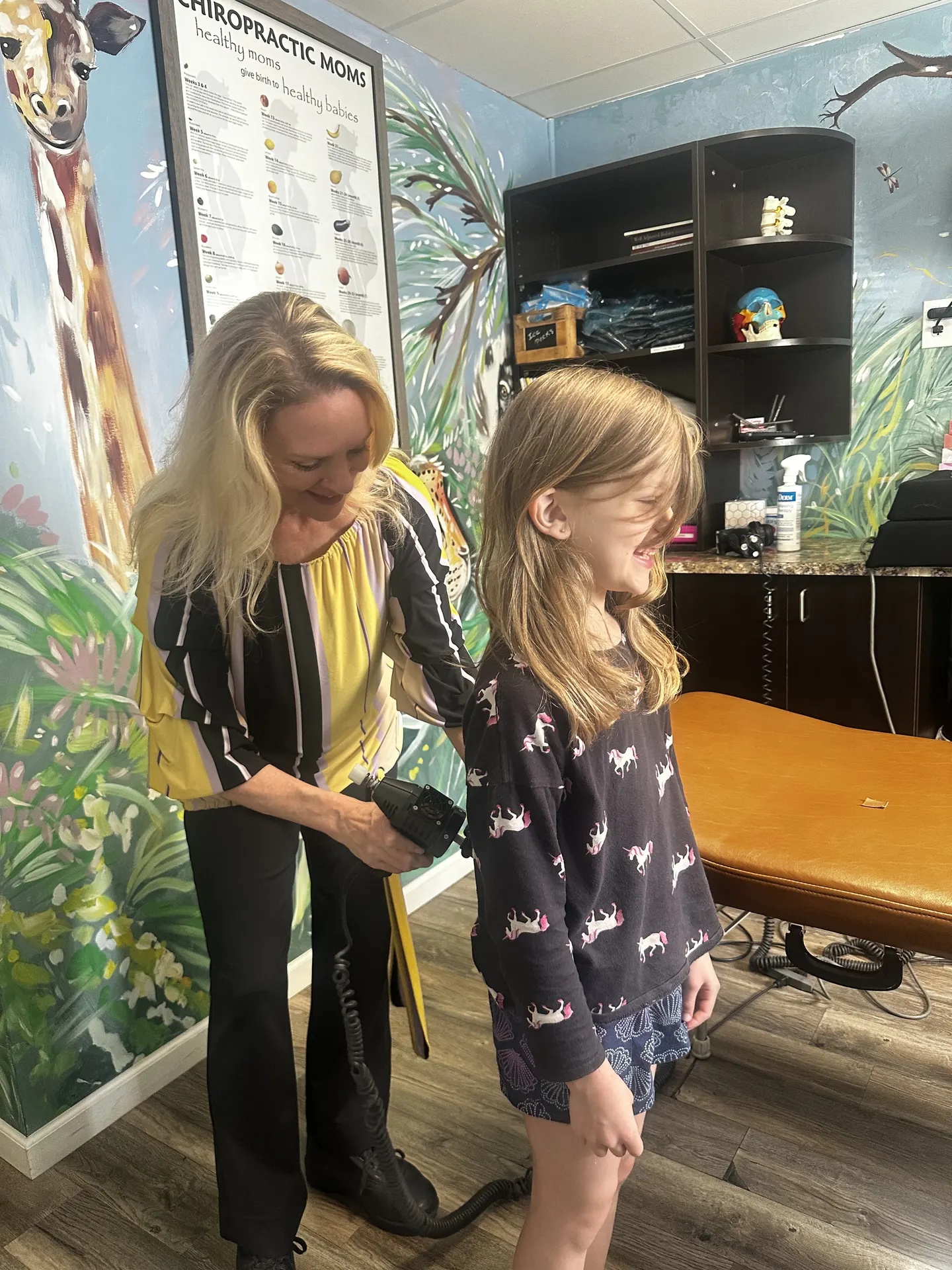
Our role is supporting the underlying nervous system pattern that makes a child's immune system more reactive in the first place. After a full history and INSiGHT neurological scanning, our doctors use light, nervous system focused contacts, part of Koren Specific Technique and Talsky Tonal Chiropractic, to help move your child's system out of that guarded state over time, alongside your child's medical care.
Why This Matters Beyond a Single Rash
A single mislabeled allergy might seem like a small thing, but it can follow a child for years, showing up on every medical form and steering every future prescription toward broader, sometimes less effective antibiotics. Beyond the labeling question, a child whose immune system reacts strongly to medications often reacts strongly to other things too, certain foods, environmental triggers, even minor illnesses that hit harder than they seem like they should. Understanding the nervous system piece underneath that reactivity can be useful well beyond this one rash.
What We'd Want to Know at a First Visit
- Your child's birth story and any early stress during pregnancy or delivery
- How often your child has needed antibiotics in the past
- Whether your child tends to react strongly to other things, foods, environments, or minor illnesses
- Current sleep, digestion, and general stress patterns
What a First Visit Looks Like
We start with your child's full history, birth story, past antibiotic use, and any pattern of reactivity you've noticed, whether to medications, foods, or otherwise. From there, a gentle exam and INSiGHT scanning give us a picture of how your child's nervous system is currently functioning. You'll leave with a clear sense of what we found and what, if anything, we'd recommend, no pressure to commit to anything beyond that first conversation.
What This Looks Like Over Time
A single visit won't change how a child's immune system responds overnight, and we're upfront with families about that. What tends to happen with consistent care is a gradual shift, a child who used to react strongly to nearly everything starts tolerating more without a big flare up, sleep and digestion often settle alongside the immune piece, and parents report fewer of those anxious moments wondering what their child's body will do with the next new exposure.
A Few Things Worth Keeping in Mind
Not every rash after a medication needs to become a permanent entry on your child's chart. If your pediatrician has already confirmed it wasn't a true allergy, it's worth asking whether the note gets updated to reflect that, rather than carrying a broader label forward by default. And if your child seems to react easily to more than just medications, foods that suddenly bother them, a new detergent, a change in routine, that's useful information to bring to a first visit here. It often points to the same underlying pattern rather than a string of unrelated coincidences.
Where to Go From Here
If your child's skin seems to react easily, to medications, foods, or the environment, it's worth looking at the nervous system pattern underneath. Read more about our approach to skin and immune support, and about childhood allergies more broadly. Or grab our free guide. You can book online with our doctors in Royal Oak, or call (248) 616-0900.