
Your child washes their hands until the skin is raw, or needs objects arranged a precise way before they can move on, or melts down over a shirt tag that has always felt unbearable. It is easy to see these as two separate issues, the compulsions and the sensory sensitivities, each needing its own plan. In a lot of kids, they are far more tangled together than that, and understanding the overlap changes how the whole picture makes sense.
How Often OCD and Sensory Issues Travel Together
Obsessive-compulsive disorder involves unwanted, intrusive thoughts and repetitive behaviors a child feels driven to perform to ease the distress those thoughts create. Sensory processing challenges involve difficulty organizing and responding to input from the senses, showing up as either heightened sensitivity or under-responsiveness to things like sound, texture, and light. In one study of children seeking care for OCD or anxiety, the overwhelming majority said at least one sensory sensitivity was genuinely bothering them day to day. Kids who react especially strongly to sensory input have also been shown to carry more OCD traits, which suggests these are not two unrelated struggles that simply happen to land in the same child by coincidence.
How Sensory Sensitivity Feeds Compulsions
A child who registers contamination cues more intensely than most, a smear on a table, a sticky doorknob, may turn to repeated handwashing as a way to bring that overwhelming sensation back down to something tolerable. A child whose sense of touch runs on overdrive may feel driven to line objects up a specific way just to reach a sense of just right that otherwise refuses to settle. Seen this way, the ritual is not really about superstition or control. It is an attempt to manage sensory input that is arriving too loud, too intense, or too unpredictable for the nervous system to process comfortably.
This reframing matters for how a family approaches the behavior at home. Arguing a child out of a ritual, or explaining logically why the fear does not make sense, rarely works when the trigger underneath is a genuine sensory experience rather than a thought that can be reasoned away. A child is not choosing to be difficult about a shirt tag or a sticky countertop. Their nervous system is registering that input as far more urgent than it actually is, and the ritual is the only tool they currently have to bring that urgency back down to something they can tolerate.
What Is Happening Underneath Both Patterns
The autonomic nervous system runs on two branches, one built for alertness and one, driven largely by the vagus nerve, built for calm. In kids with OCD and sensory sensitivities together, the alertness branch tends to stay engaged well past the point where it is useful, leaving the nervous system in a near constant state of scanning for threat. The vagus nerve, when it is working well, helps sensory input get filtered and dialed down to something manageable. When it is not, ordinary sensations can register as urgent and unmanageable, which primes both heightened sensory reactions and the anxiety that fuels compulsive behavior. This shared root helps explain why the two conditions show up together so consistently rather than as separate, coincidental struggles.
Where This Pattern Often Begins
Nervous system dysregulation like this rarely appears from one clear cause. Stress during pregnancy can shape how a developing baby's stress response calibrates before birth ever happens. Physical demand during delivery, particularly involving a C-section, forceps, or a long and difficult labor, places real strain on the upper neck and brainstem, right where sensory processing and vagus nerve regulation begin. From there, early stressors like frequent illness or repeated antibiotic use can add further pressure to a system already working to keep up.
Why Medication and Therapy Alone Sometimes Fall Short
Medications used for OCD work by adjusting neurotransmitter levels, and therapy approaches like exposure and response prevention teach children to sit with anxiety without performing the ritual. Both genuinely help many kids. What neither directly reaches is the underlying nervous system pattern driving the sensory intensity in the first place, which is part of why some children continue to struggle even with a solid therapy and medication plan already in place. Side effects from OCD medications, including nausea, sleep disruption, and fatigue, are common enough that many families are actively looking for additional layers of support that address the nervous system pattern rather than symptoms alone.
Our Approach
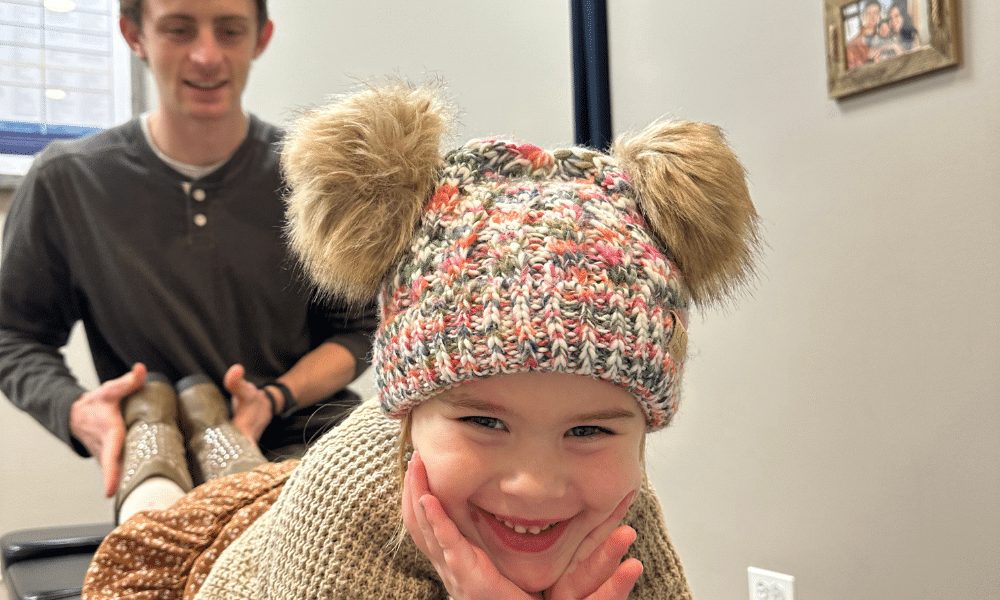
We begin with your child's full history, including pregnancy, birth, and how the OCD and sensory patterns have shown up together over time. From there, a gentle exam paired with INSiGHT neurological scanning shows us where tension is being held in your child's nervous system, particularly around the upper neck and brainstem. Using Koren Specific Technique and Talsky Tonal Chiropractic, our doctors deliver light, nervous system focused adjustments aimed at supporting healthier vagus nerve signaling, working alongside whatever therapy or medication is already part of your child's plan.
What Parents Often Notice
- Sensory triggers that used to spark an immediate ritual start feeling more manageable
- Shorter, less intense episodes when a sensory trigger does happen
- An easier time using coping strategies learned in therapy
- Steadier sleep as the nervous system settles into a calmer baseline overall
Where to Go From Here
If your child's compulsions seem tangled up with sensory sensitivities, it is worth looking at the nervous system pattern connecting the two. Learn more about how we support sensory processing disorder, which often overlaps with anxiety in children, or download our free guide on the nervous system side of sensory regulation. When you are ready, you can book online with our doctors in Royal Oak, or call us at (248) 616-0900.


