
Somewhere between the swollen ankles and the sleepless nights, nobody quite gets around to mentioning this one. Postpartum hemorrhoids show up for a large share of women during pregnancy or in the weeks after delivery, and yet almost nobody talks about them out loud. If you're dealing with pain, itching, or bleeding you weren't expecting, you're far from alone, and it's worth understanding what's actually happening rather than quietly toughing it out.
What Hemorrhoids Actually Are
Hemorrhoids are swollen, irritated veins in or around the rectum and anus. They can develop internally, inside the rectum where you may not feel them directly but might notice bleeding, or externally, around the anal opening where they're often more painful and easier to feel. Common signs include painless bright red bleeding during a bowel movement, itching or irritation, pain when sitting, noticeable swelling or a lump, and sometimes mucus discharge. None of it is pleasant to talk about, but all of it is genuinely common in the postpartum period.
Why Pregnancy and Birth Set the Stage
Several things stack up during pregnancy and delivery to make hemorrhoids more likely. Your blood volume increases substantially, adding pressure on the veins in your pelvis. Rising progesterone relaxes vein walls throughout your body, including in this area, making them more prone to swelling. Progesterone also slows digestion, which often leads to constipation, and straining against constipation adds direct pressure right where it's least welcome. Then there's the pushing phase of labor itself, which places intense, if brief, pressure on the rectal area. After birth, pain medication, dehydration, and continued hormonal shifts can keep constipation going, extending the problem well past delivery day.
The Nervous System Piece
There's a layer to this that often gets missed. Digestion, tissue repair, and the coordination between your diaphragm and pelvic floor all depend heavily on your parasympathetic nervous system, the rest-and-digest side of your autonomic nervous system. When that system is under strain, which is common in the exhausted, high-demand weeks right after birth, digestion slows further, tissue recovery takes longer, and the whole area has a harder time settling down. Supporting that underlying regulation, not only managing symptoms locally, can make a real difference in how quickly things improve.
What Helps at Home
- A high-fiber diet along with eight to ten glasses of water daily to keep stool soft
- A fiber supplement or stool softener if diet changes alone aren't enough
- Gentle hygiene, using soft, unscented wipes or a peri bottle instead of dry toilet paper
- Cold compresses for ten to fifteen minutes to reduce swelling
- Warm sitz baths a few times daily for soothing relief
- Witch hazel pads or an over-the-counter cream if needed
If pain is severe, bleeding is heavy, or symptoms keep worsening despite home care, it's worth having your doctor take a look, since those signs deserve direct medical attention rather than home remedies alone.
When to Loop In Your Doctor Right Away
Most postpartum hemorrhoids respond well to the home measures above and settle within a few weeks. That said, heavy bleeding, a lump that becomes suddenly very painful or hard, fever, or symptoms that keep getting worse instead of better are worth a call to your OB or midwife sooner rather than later. Trust your instincts here. You know your body, and it's always reasonable to ask a provider to take a look rather than waiting to see if something resolves on its own.
How Our Doctors Support Postpartum Recovery
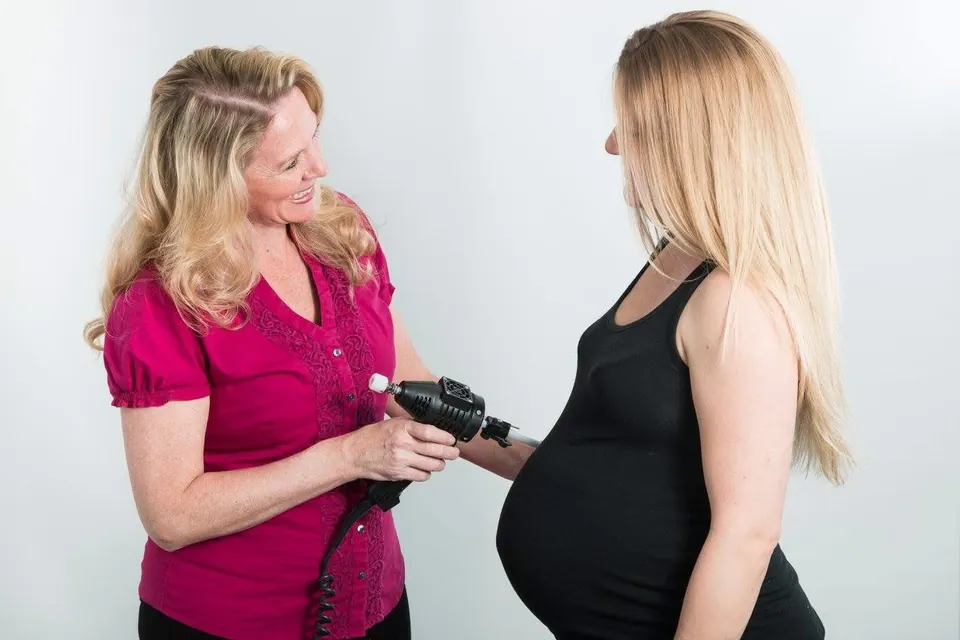
Our doctors use INSiGHT scanning to assess how your nervous system is regulating in the postpartum period, since a body stuck in a more sympathetic-dominant state has a harder time recovering efficiently. Using Koren Specific Technique and Talsky Tonal Chiropractic, we provide light, nervous system focused adjustments aimed at supporting your body's overall ability to shift back toward rest, digestion, and repair, alongside whatever local care you're already using at home. Postpartum visits also give us a chance to check in on your broader recovery, not just this one symptom.
Giving Yourself Permission to Talk About It
Part of why this symptom feels so isolating is that almost nobody prepares you for it. Prenatal classes cover contractions, epidurals, and breastfeeding at length, but the unglamorous, physical realities of the fourth trimester rarely get equal airtime. That silence can leave women feeling like something is uniquely wrong with them, when in reality this is simply one of the common, if rarely discussed, effects of pregnancy and delivery on the body.
Bringing it up with your provider, whether that's your OB, midwife, or our doctors, isn't oversharing. It's ordinary postpartum care. The sooner it's addressed, the less time you have to spend managing discomfort quietly on your own during weeks that are already demanding enough.
What Recovery Timing Usually Looks Like
For most women, symptoms ease gradually over the weeks following birth as swelling from pregnancy and pushing resolves, digestion normalizes, and hormone levels settle. Consistent attention to fiber, hydration, and the local care steps above tends to speed that timeline noticeably. When symptoms persist well past the early postpartum weeks, it's often a sign that something in the body, whether that's ongoing constipation, unresolved tissue swelling, or a nervous system still leaning toward that sympathetic, stress-holding state, needs a bit more targeted support to fully settle.
Where to Go From Here
You shouldn't have to sit quietly with this one. It's common, it's treatable, and it's worth mentioning at your next visit rather than assuming it's just part of the deal. Learn more about how we support postpartum recovery as a whole, or download our free guide for more on nervous system support after birth. When you're ready, you can book online with our doctors in Royal Oak, or call us at (248) 616-0900.

