
Running, playing, and simply getting through a school day without joint pain are things most kids never think twice about. For a child with juvenile idiopathic arthritis, these ordinary moments can come with real pain, stiffness, and limitation. It is a condition that affects hundreds of thousands of children in the United States, and watching your child manage it can leave you feeling helpless and searching for more answers than a prescription alone provides.
What Juvenile Idiopathic Arthritis Is
Juvenile idiopathic arthritis, often shortened to JIA, is the type of arthritis seen most often in children and teens under sixteen. It is an autoimmune condition, meaning the immune system mistakenly targets healthy tissue, in this case the synovium, the thin lining inside a joint that normally produces just enough fluid to keep movement smooth. In JIA, the immune system attacks that lining, causing inflammation and excess fluid that leads to pain, swelling, stiffness, and a more limited range of motion. The word idiopathic simply means the exact cause is not fully understood. Unlike arthritis from everyday wear and tear, JIA is a chronic inflammatory process that can last months or years, and a diagnosis requires symptoms lasting at least six weeks.
The Different Faces of JIA
JIA is not one single pattern. Some children have oligoarticular JIA, affecting four or fewer joints, often the knees, ankles, or wrists, and this is the most common form, frequently appearing before age six. Others have polyarticular JIA, involving five or more joints, often in a matched pattern on both sides of the body. Systemic onset JIA brings spiking fevers and a distinctive rash along with joint symptoms and can affect other organs, requiring closer medical attention. Psoriatic arthritis in children shows up alongside psoriasis or a family history of it, often affecting fingers and toes. Enthesitis-related arthritis targets the places where tendons and ligaments attach to bone, more common in boys and often involving the hips and lower back. Recognizing the specific pattern helps guide care, since each subtype can behave differently.
What Families Often Notice
Joint pain and stiffness are usually worse first thing in the morning or after sitting still, and often ease somewhat with gentle movement. A child may start limping, avoiding a joint, or seeming clumsier than usual. Fatigue is common too, even after a full night of sleep, along with a drop in overall activity as pain and stiffness make sports or play harder. Eye inflammation, called uveitis, affects a meaningful share of kids with JIA, especially the oligoarticular type, and often develops with no obvious outward sign, which is why regular eye checks matter. Some children also deal with fine motor struggles, like trouble writing or buttoning clothes, sleep disrupted by discomfort, or stomach upset tied to the stress of managing a chronic condition.
What May Be Contributing
Researchers have not pinned down one definitive cause of JIA. Genetics plays some role, since kids growing up with a parent or sibling who has an autoimmune condition tend to carry a somewhat higher risk, though most kids with JIA have no such family history at all. This points to environmental and developmental factors playing a real part too. Stress during pregnancy has been associated with a higher likelihood of autoimmune conditions in children later on. Birth itself, particularly a difficult or prolonged labor, a breech position, or the use of forceps, can place physical strain on a newborn's developing nervous system. Frequent infections and repeated courses of antibiotics or steroid medications early in life can also affect how the immune system develops and regulates itself over time. None of these factors guarantee a child will develop JIA, and many kids exposed to them never do, but together they help explain why the condition shows up when it does.
Where the Nervous System Fits In
The nervous system is deeply involved in how the body regulates inflammation and directs immune activity. When tension or interference disrupts that regulation, whether from early physical stress, illness, or ongoing strain, it can throw off the balance between the sympathetic gas pedal and the parasympathetic brake, contributing to a more inflamed, less regulated internal environment. The vagus nerve, the longest of the cranial nerves, is a key part of that balance, helping dial inflammation up when needed and back down once it has done its job. In children with JIA, vagal tone can run lower than it should, which may make it harder for the body to bring an inflammatory response back down once it has served its purpose.
How Medical Care and Nervous System Support Work Together
Pediatric rheumatologists typically build a JIA care plan around anti-inflammatory medications, and sometimes disease-modifying or biologic medications, alongside physical or occupational therapy to protect joint function and manage pain. This medical care is essential, and our doctors never suggest changing or stopping any medication your rheumatologist has prescribed. What nervous system focused chiropractic care offers is a complementary layer, supporting the body's own regulation of inflammation and stress alongside the plan your child's medical team has built.
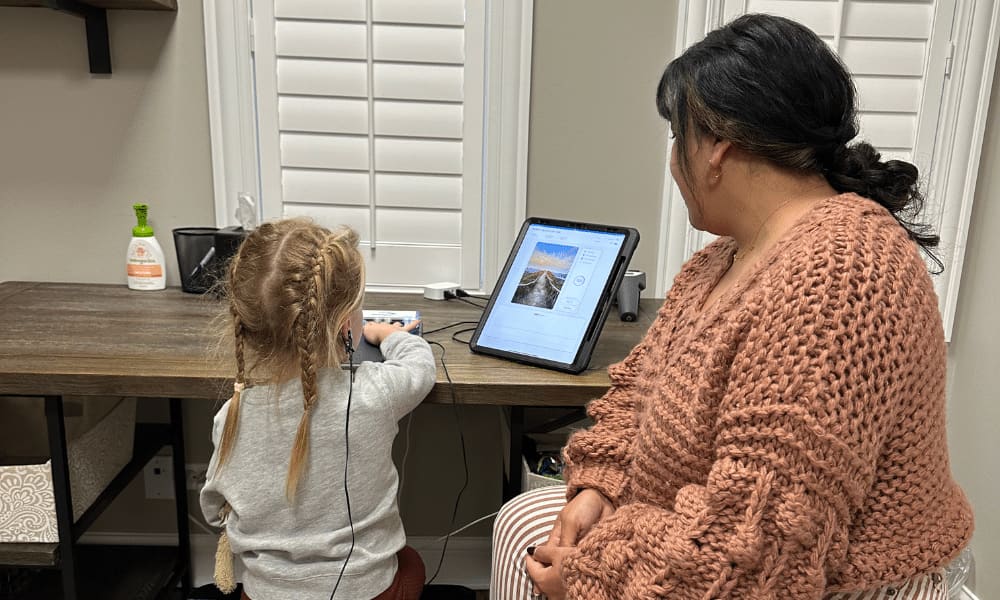
We begin by learning your child's full history and current care plan. From there, INSiGHT neurological scanning gives us objective information about how your child's autonomic nervous system is functioning, showing where tension may be interfering with regulation. Using Koren Specific Technique and Talsky Tonal Chiropractic, our doctors deliver light, nervous system focused adjustments aimed at easing that tension and supporting healthier communication along the vagus nerve, working in coordination with your child's rheumatologist.
- A gentle exam and INSiGHT scanning to track nervous system function over time
- Light, precise adjustments suited to a child's developing spine
- Ongoing communication with your child's medical team
- Attention to sleep, stress, and daily habits that influence regulation
Where to Go From Here
A JIA diagnosis brings a lot to manage, and support that looks at the whole child, not just the affected joints, can make a real difference alongside your child's medical care. You can learn more about how we support arthritis in children, or read about our approach to chronic pain in kids. We also have a free guide on the nervous system side of inflammation. When you are ready, book online with our doctors in Royal Oak, or call us at (248) 616-0900.