
Medications with morning and night alarms. Neurologist appointments stacked on the calendar. The mental math you do every time your child seems a little off: is this a growth spurt, a bad night of sleep, or something building toward an episode. If you're the parent of a child with a seizure disorder, you're carrying a kind of vigilance most people never have to learn. We see that.
We want to be direct about this before anything else: this isn't seizure treatment. That work belongs entirely to your neurologist, and we would never suggest otherwise. What we offer sits in a different lane, support for your child's overall nervous system capacity, the reserve that helps a body handle everyday stress without everything feeling like too much.
What We Mean by Nervous System Support
To be plain about this upfront: nervous system focused chiropractic care does not lower seizure frequency, raise seizure threshold, or change the electrical activity a seizure disorder involves. We're not claiming any of that, and we would be doing your family a disservice if we implied it. Epilepsy affects an estimated 1 in 26 people at some point in life, and public health estimates put the number of children living with it in the U.S. at around 470,000, making it one of the most common chronic neurological conditions in childhood. Your neurologist manages the seizure disorder itself. What we look at is the nervous system's overall capacity to handle stress, the kind of reserve that affects sleep, physical tension, and how settled your child feels on an ordinary Tuesday.
Where a Depleted Nervous System Often Starts
A nervous system rarely arrives at a depleted state overnight. For a lot of the kids we see, the load builds gradually, sometimes starting before birth with a stressful pregnancy, sometimes tied to a difficult delivery, sometimes accumulating through early illnesses or a string of hard years. None of this is about blame, most of it is completely outside anyone's control. It's simply useful context for understanding why some children's nervous systems have less room left to absorb ordinary, everyday stress.
The Brainstem, the Vagus Nerve, and Why We Look at the Upper Neck
The upper part of the neck sits directly around the brainstem, which is also where the vagus nerve begins. The vagus nerve is the main pathway for the parasympathetic side of the nervous system, the side that works something like a brake pedal, handling rest, digestion, and recovery. The other side, the sympathetic side, works more like a gas pedal, gearing the body up to respond to stress. When a child's nervous system has been running with the gas pedal down for a long time, the brake pedal loses some of its ability to bring things back down. Tension held in the upper neck can be part of what keeps that brake from fully engaging, which is why our doctors pay close, careful attention to this area.
Why We Focus on the Time Between Episodes
Medications do essential work managing the electrical events themselves, and that will always stay in your neurologist's hands. What medications aren't built to address is the chronic stress load sitting underneath: tension, disrupted sleep, sensory overwhelm that can make an ordinary day harder than it needs to be. That's the layer we focus on, the rest of your child's life around the seizures, not the seizures themselves.
What Care Looks Like at Van Every
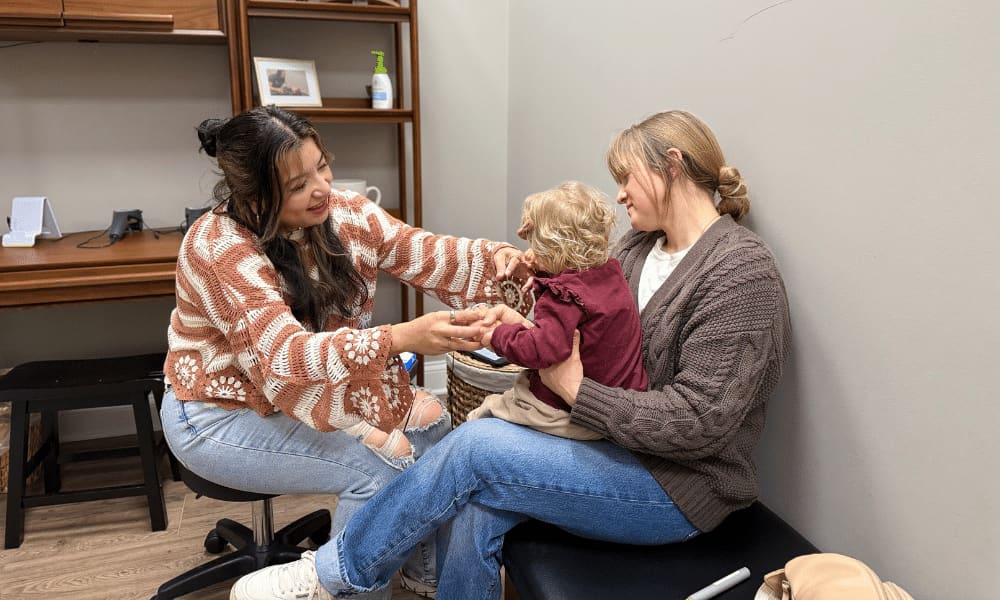
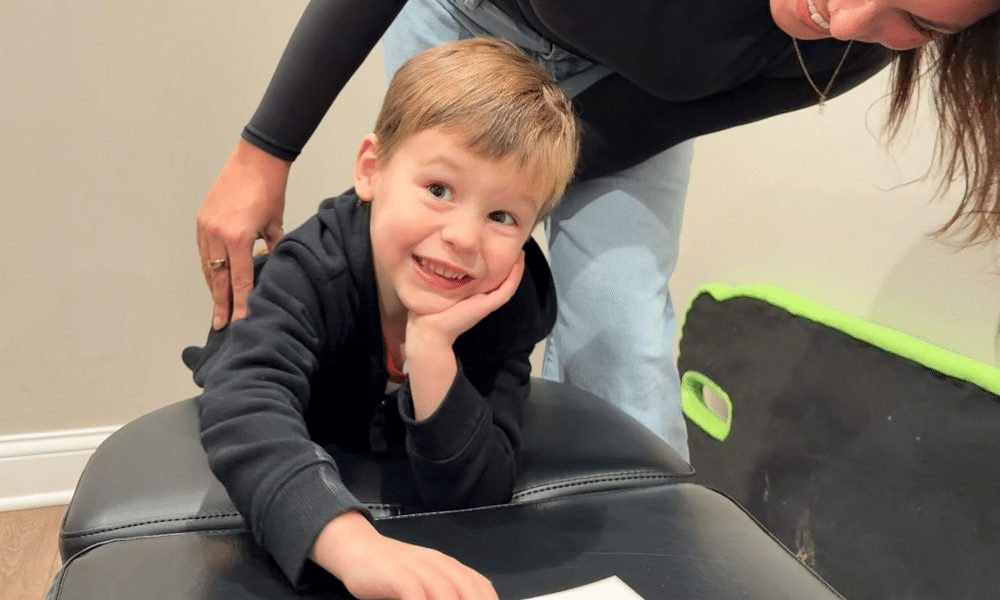
We start with a full history, including questions about your child's birth and early health, and INSiGHT scans that measure heart rate variability, thermal patterns, and muscle tension along the spine. Those scans give us objective information about where your child's nervous system is holding stress, and we go over the results with you in plain language before any care begins. Using Koren Specific Technique (KST) and Talsky Tonal Chiropractic (TTC), our doctors use extremely light, nervous system-focused contacts, no forceful movement of any kind, and we move at your child's pace, stopping immediately if anything seems like too much. We're glad to stay in communication with your child's neurologist whenever it's helpful, and we track changes with follow-up scans so nothing is left to guesswork. We will never suggest changing or stopping medication. That decision always stays between you and your neurologist, and we ask every family to keep working closely with their neurology team throughout care.
What Parents Often Notice
The changes families mention most often have nothing to do with seizure activity. Parents often tell us their child is sleeping more soundly, seems to carry less physical tension, and feels calmer on an average day. Some notice their child tolerates sensory input, like loud rooms or bright lights, a bit better than before. Every child's nervous system responds differently, and some families notice more than others, so we're careful never to promise a specific outcome. What we can say is that these softer, everyday changes are real, and many parents find them meaningful even when nothing about the seizure picture itself has changed.
A Few Things Many Families Track at Home
- A simple sleep log, since rest tends to be one of the first things that shifts as a nervous system settles
- Notes on what an average day looks like physically, tension, posture, how your child moves, to bring to appointments
- Consistent daily routines, since predictability tends to be easier on an already taxed nervous system
- Open communication between our office and your neurology team, so everyone is working from the same picture
- How your child handles transitions and unfamiliar settings, since a taxed nervous system often shows up there first
If You're Looking for Steady, Complementary Support
If you'd like to learn more about how this kind of nervous system support fits alongside your child's medical care, our seizure disorder support page goes into more detail, and our free guide for families walks through the nervous system piece more fully. When you're ready to talk it through, you can request an appointment online or call us at (248) 616-0900. We're glad to answer questions before you ever commit to anything.