
Inflammation is supposed to be temporary. It shows up to help the body recover from an injury or fight off a threat, then it is supposed to switch off once the job is done. For people living with rheumatoid arthritis and other autoimmune conditions, that switch does not always work the way it should, and the inflammation that was meant to protect the body instead keeps attacking it.
What is less commonly discussed is that the body has a built-in mechanism for turning inflammation down, and it runs through a single nerve. Understanding how that mechanism works offers a different, useful angle on why inflammation gets stuck in the first place.
What the Vagus Nerve Does
Among the twelve cranial nerves, the vagus nerve is the longest by far, connecting the brain to the heart, lungs, digestive system, and immune organs. Its name comes from the Latin word for wandering, and that is exactly what it does, traveling from the brainstem through the neck and chest, all the way down into the abdomen. It is the main component of the parasympathetic nervous system, the body's braking system. While the sympathetic nervous system acts as the gas pedal for fight or flight, the vagus nerve is what allows the body to rest, digest, and regulate. It plays a direct role in heart rate, breathing, digestion, immune activity, and emotional regulation.
The Nervous System's Role in Turning Down Inflammation
Researchers discovered several decades ago that the brain actually sends a direct signal down the vagus nerve telling the immune system to calm down once inflammation has done its job. This is sometimes called the inflammatory reflex. When inflammation rises somewhere in the body, sensory fibers in the vagus nerve pick up on it and relay that information to the brain. The brain then sends a return signal back down the vagus nerve, releasing a chemical messenger that tells immune cells, especially in the spleen, to ease off producing the proteins that drive swelling and pain.
This reflex depends entirely on the vagus nerve functioning well. When there is interference along its pathway, whether from physical tension near the brainstem and upper neck or from a nervous system stuck in ongoing sympathetic overdrive, this natural braking mechanism cannot do its job. Inflammation that should have resolved keeps being produced instead, without the usual shutdown signal reaching it.
Where the Connection to Autoimmune Conditions Comes In
When the vagus nerve cannot properly regulate this reflex, the immune system has a harder time telling the difference between inflammation that is doing useful work and inflammation that is causing damage. Meanwhile, if the sympathetic gas pedal stays engaged, the body stays in a state of perceived threat, with the immune system primed and ready to respond even without a clear trigger. Over time, this imbalance can play a part in the kind of chronic, misdirected immune activity seen in autoimmune conditions like rheumatoid arthritis, where the immune system turns against the body's own joints and tissue.
Interest in this connection has grown quickly in recent years. Studies using vagus nerve stimulation devices in adults with autoimmune conditions have shown improvements in disease activity and reductions in inflammatory markers, and researchers studying chiropractic adjustments have found favorable shifts in inflammatory and stress-related biomarkers after a period of regular care. This research is still developing and has largely focused on adults, but it points toward the same underlying idea: when nervous system communication with the immune system improves, inflammation tends to regulate more effectively.
Where This Pattern Often Begins
For many people, tension affecting vagus nerve function traces back further than adulthood. Stress during pregnancy can influence how a baby's developing nervous system calibrates its stress response from the start. Birth itself, even without an obvious complication, places physical demand on the brainstem and upper neck, right where the vagus nerve begins its path through the body, and forceps, vacuum extraction, induction, or a C-section can add to that load. From there, repeated illness, antibiotics, and accumulated stress through childhood can layer on top of a nervous system that started out already carrying tension. None of this replaces genetics or the many other factors involved in autoimmune conditions, but it is a piece of the picture that is often overlooked, and understanding it gives families another thread to pull on rather than feeling like the immune system is simply broken with no explanation.
Our Approach to Supporting Nervous System Regulation
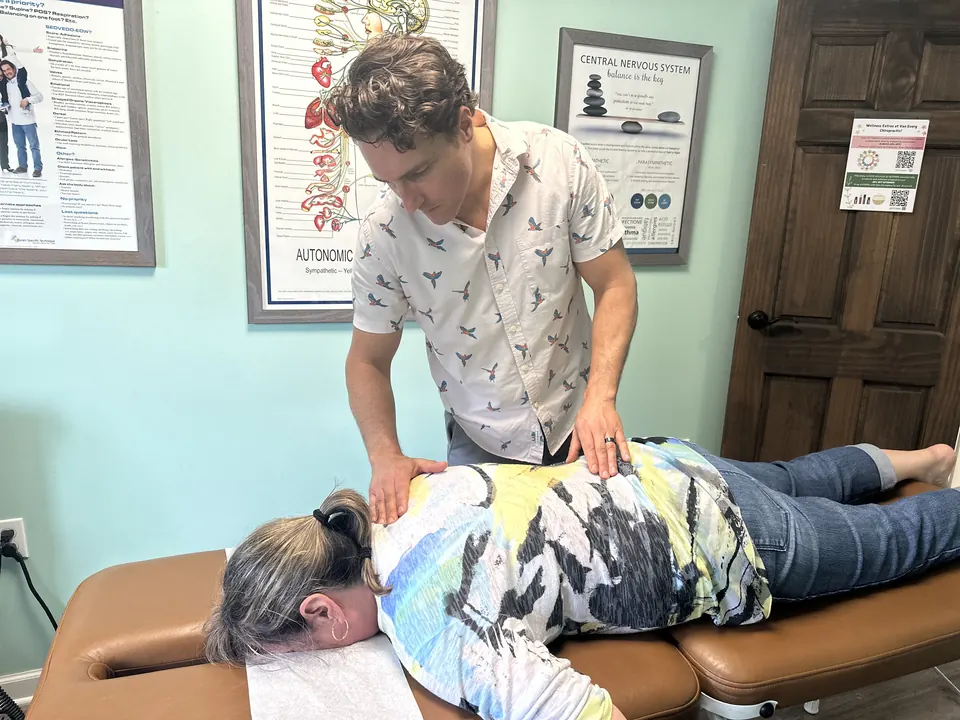
We start by learning your history, including any early stress or physical strain from birth, along with your current symptoms and diagnosis. From there, INSiGHT neurological scanning gives us objective information about how your autonomic nervous system is functioning, showing us where tension may be interfering with regulation rather than leaving us to guess. Using Koren Specific Technique and Talsky Tonal Chiropractic, our doctors deliver light, nervous system focused adjustments aimed at easing tension around the upper neck and spine to support healthier vagus nerve signaling. This approach is meant to work alongside the rheumatologist or physician managing your autoimmune care, never as a replacement for medication or ongoing medical monitoring.
- A gentle exam and history review specific to your nervous system and symptom pattern
- INSiGHT scanning to track autonomic function objectively over time
- Light, precise adjustments using Koren Specific Technique and Talsky Tonal Chiropractic
- Ongoing coordination with your existing medical care team
Where to Go From Here
Understanding the vagus nerve's role in the body's own inflammation reflex offers a meaningful piece of the puzzle for anyone living with rheumatoid arthritis or another autoimmune condition. You can learn more about how we support rheumatoid arthritis, or read about our approach to scleroderma. We also have a free guide on the nervous system side of autoimmune conditions. When you are ready, book online with our doctors in Royal Oak, or call us at (248) 616-0900.