
Six weeks out from surgery, you're doing everything right. You're taking the medication on schedule, you're icing when you're supposed to, you're showing up to physical therapy. And yet you still feel tired in a way that sleep doesn't fix, the swelling around the incision is stubborn, and some mornings your neck and shoulders ache for no reason you can point to.
You mention it at your follow-up and get a version of "that's normal, give it time." Which may be true. But it doesn't explain why one person is back to their routine on schedule and another, with the same surgeon and the same procedure, is still waiting for their body to catch up months later.
In our office, we hear this constantly from patients who assumed the hard part was the surgery itself. Often the harder part is what comes after, and the difference between a smooth recovery and a stalled one usually isn't willpower or how carefully someone followed instructions. It's the state of the system doing the actual healing.
What a Stalled Recovery Actually Looks Like
A successful operation and a smooth recovery are two different things. The surgeon repairs the structure. What happens in the weeks after, tissue knitting back together, inflammation resolving, strength returning, is a separate job, and it's one your body has to run largely on its own.
When that job stalls, it tends to show up as pain that lingers past the timeline you were given, swelling or bruising that won't settle on schedule, sleep that stays shallow no matter how tired you are, and a fatigue that doesn't lift with rest. Many people also notice aches that have nothing to do with the surgical site: a stiff neck, tight shoulders, a lower back that's been sore since the hospital bed. Digestion and mood can feel off too. None of that is a coincidence, and none of it means something went wrong with the surgery.
Surgery Is a Whole-Body Event
It's easy to think of an operation as something that happens to one part of you, a knee, a shoulder, an abdomen. But anesthesia, the positioning on the operating table, the incision itself, and the emotional weight of the whole experience register as a major stress across your entire nervous system, not just the surgical site.
Your nervous system is the one running the recovery. It directs immune activity, controls inflammation, regulates sleep, and decides how loudly pain signals get amplified. A helpful way to picture it is a gas pedal and a brake pedal. The sympathetic side is the gas pedal, your stress response, and it's the one that gets pressed hard during surgery. That's normal and protective in the moment. The brake pedal is the parasympathetic side, the one responsible for rest and repair, and it's the one recovery actually depends on.
The trouble starts when the gas pedal stays down for weeks afterward. Muscles around the surgical site keep guarding. Sleep stays shallow. Digestion slows. And the immune system, which is supposed to be devoted entirely to cleaning the surgical site and rebuilding tissue, keeps spending part of its budget on staying on high alert instead.
Why the Immune System Is the Real Story Here
Your immune system runs the entire repair project after an operation. It clears debris from the site, controls inflammation, protects healing tissue, and builds the new structure back up. It also takes its orders from the nervous system. When the nervous system is stuck in fight or flight, immune resources go toward staying alert. When it shifts toward rest and repair, those same resources go toward the actual work of healing.
Your body isn't failing at recovery when this happens. It's doing exactly what it's designed to do, protecting itself. It just hasn't gotten the signal yet that the threat has passed and it's safe to redirect everything into repair.
What Care Looks Like at Van Every
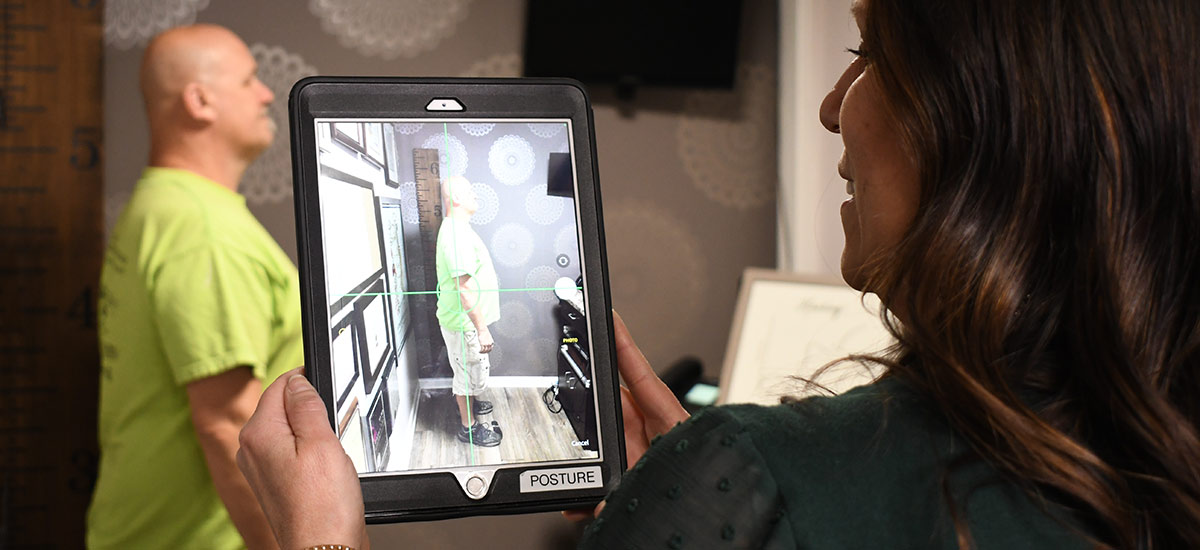
This is the piece we hear gets left out of most post-surgical conversations, and it's the piece our doctors focus on. We start by listening: what procedure you had, how recovery has gone so far, and what your surgical team has you working on. From there, an INSiGHT scan, thermal imaging, heart rate variability, and muscle (sEMG) readings, gives us an objective look at how much stress your nervous system is still carrying, so we're working from data instead of guesswork.
Care itself is gentle, nervous system-focused care: light, precise contacts using Koren Specific Technique (KST) and Talsky Tonal Chiropractic (TTC), with no cracking, twisting, or popping. You can be adjusted sitting, standing, or lying down, whatever position is comfortable, and we work carefully around incisions, hardware, and any movement restrictions. If you've been told you can never see a chiropractor again because of a fusion, rods, or screws, that warning is almost always about forceful, high-velocity manipulation, and that's simply not part of what we do. We also use touchless cold laser therapy, which involves zero pressure and can often begin earlier in recovery than hands-on work, and professional grade arnica is available through our Fullscript dispensary for patients whose doctors feel it fits their situation. This care fits alongside physical therapy rather than competing with it. Your rehab rebuilds strength and range of motion, and we work to keep the nervous system coordinating all of it running clearly.
What Patients Often Notice
We hedge this deliberately, because every recovery moves at its own pace and every surgery is different. But patients recovering from a range of procedures often report that pain settles sooner than expected, swelling and bruising resolve more steadily, and sleep starts to deepen within the first few weeks of care. Many are surprised by how much energy comes back once the nervous system is no longer stuck in protection mode.
Just as often, the compensation patterns surgery leaves behind, the guarded posture, the favored side, the tight neck from weeks on the couch, get addressed before they turn into their own problem months down the line.
Supporting Recovery at Home
Alongside care in our office, a few habits tend to make a real difference in how the weeks after surgery feel:
- Prioritize sleep as part of the healing plan, not an afterthought. Deep sleep is when the body does its most focused repair work.
- Keep moving within whatever limits your surgical team has set. Gentle, approved movement supports circulation and helps prevent the stiffness that builds from staying still.
- Notice where you're guarding or favoring one side, and mention it at your visits. Those patterns are easier to address early than after they've settled in.
- Stay in touch with your surgical team about your timeline, and let them and our doctors coordinate rather than working from separate playbooks.
- Give recovery more time than the discharge paperwork implies. Healing that looks slow on paper is often still on track.
Next Steps
Recovery isn't just about the incision. It's about the whole system doing the work behind it, and that system usually responds well when it gets the right support. If you'd like to read more about how we approach post-surgery recovery, our free guide walks through the nervous system's role in healing in more detail.
Our doctors are glad to talk through your specific procedure and timeline and build a plan that fits where you actually are. You can book online, or call us at (248) 616-0900 to ask questions before booking. Recovery deserves more support than "give it time."
