If you took acetaminophen during pregnancy and a recent headline linking it to autism sent you into a spiral of guilt, here is the first thing worth hearing: you are not to blame. You made a reasonable decision with the information available to you at the time, the same decision millions of other mothers made. Autism does not trace back to one choice, and its causes are layered and individual rather than reducible to a single explanation.
Why Autism Is Rarely One Thing
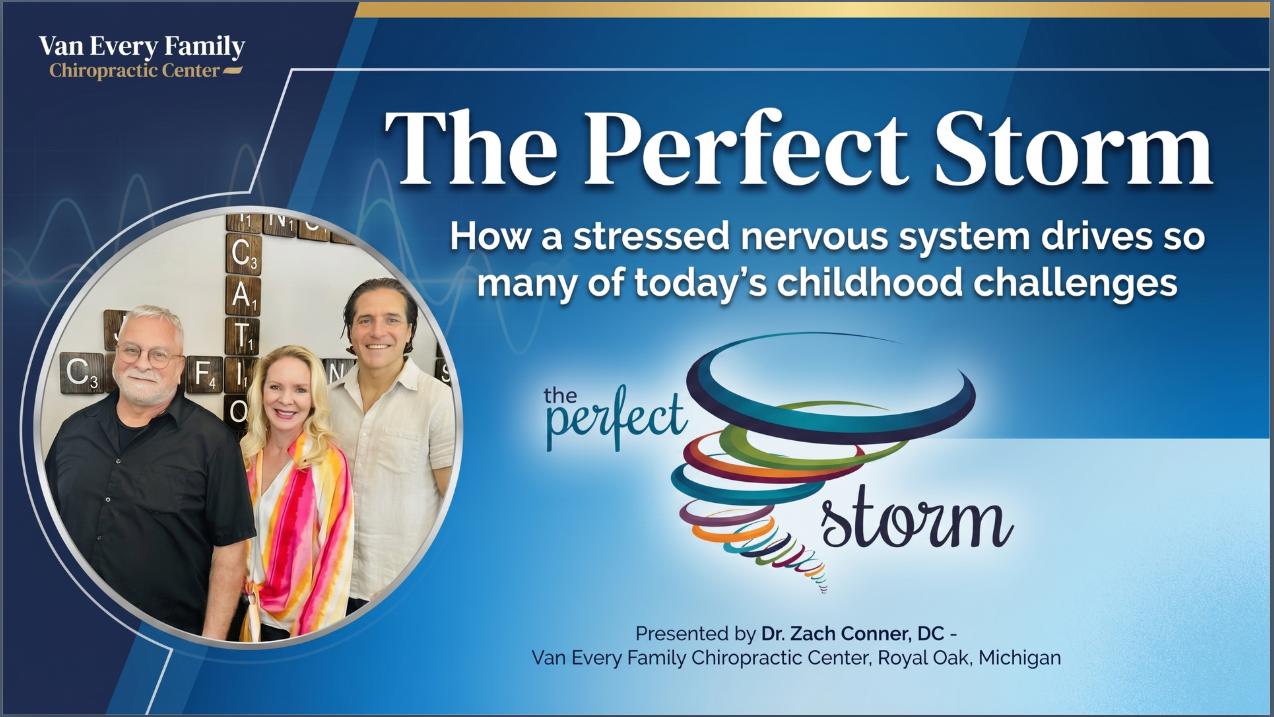
We think of autism as the result of what our practice calls the Perfect Storm, a stacking of multiple factors that together shape a child's neurological development. That storm can include prenatal stress and maternal health during pregnancy, birth trauma from interventions like C-sections, forceps, or vacuum extraction, early nervous system dysregulation, gut and digestive imbalance, environmental exposures, inflammation and immune dysfunction, nutritional gaps during key developmental windows, genetics and family history, and yes, potentially, medication exposure during pregnancy, acetaminophen included.
If any single factor on its own reliably caused autism, the pattern in the data would look far more uniform than it actually does, with essentially everyone who encountered that factor going on to receive a diagnosis. That is not what shows up in real families. Different combinations of factors affect different children in different ways, which is actually useful information, because it means there are multiple points where support can make a difference, regardless of any one factor in a child's history.
What the Research Actually Shows
Several studies over the past decade have looked at a possible association between acetaminophen use in pregnancy and autism or ADHD. One study measuring acetaminophen biomarkers in umbilical cord blood from nearly 1,000 births found that babies with the highest exposure levels were over three times more likely to receive an autism diagnosis than those with the lowest exposure. A separate study following more than 70,000 mother-child pairs found a 19 to 21 percent increased risk of borderline or clinical autism and ADHD symptoms tied to prenatal acetaminophen exposure.
A large sibling study of roughly 2.5 million children took a different approach. When researchers compared siblings where one had been exposed to acetaminophen in utero and one had not, the association largely disappeared. That points toward shared family factors, environment, genetics, health history, as a likely explanation for at least part of what earlier studies picked up, rather than the medication itself being the driver.
Association Is Not the Same as Causation
Studies that observe a pattern between two things are not the same as studies that prove one causes the other. A few things can blur that line here. Mothers who needed pain relief during pregnancy may have had underlying health conditions of their own. Fever and infection, the reasons someone reaches for acetaminophen in the first place, could be part of what is actually driving the association. And mothers of children later diagnosed with autism may simply recall their medication use differently than mothers of neurotypical children.
It is also worth sitting with the scale of the numbers. The associations found across these studies run in the range of a five to twenty percent increased risk, a real signal worth taking seriously, but nowhere near large enough on its own to explain how autism rates have climbed from roughly one in 150 children to one in 31 today. If acetaminophen alone were driving that shift, the association would need to be dramatically stronger than what the research actually shows.
What This Means Looking Forward
Whatever combination of factors shaped your own child's development, whether it included medication exposure, birth trauma, or none of the above, their potential going forward is not sealed by anything in the past. The nervous system keeps building new connections and pathways throughout childhood. What matters most now is supporting that ongoing development, not relitigating a decision that already happened.
Where Nervous System Care Fits
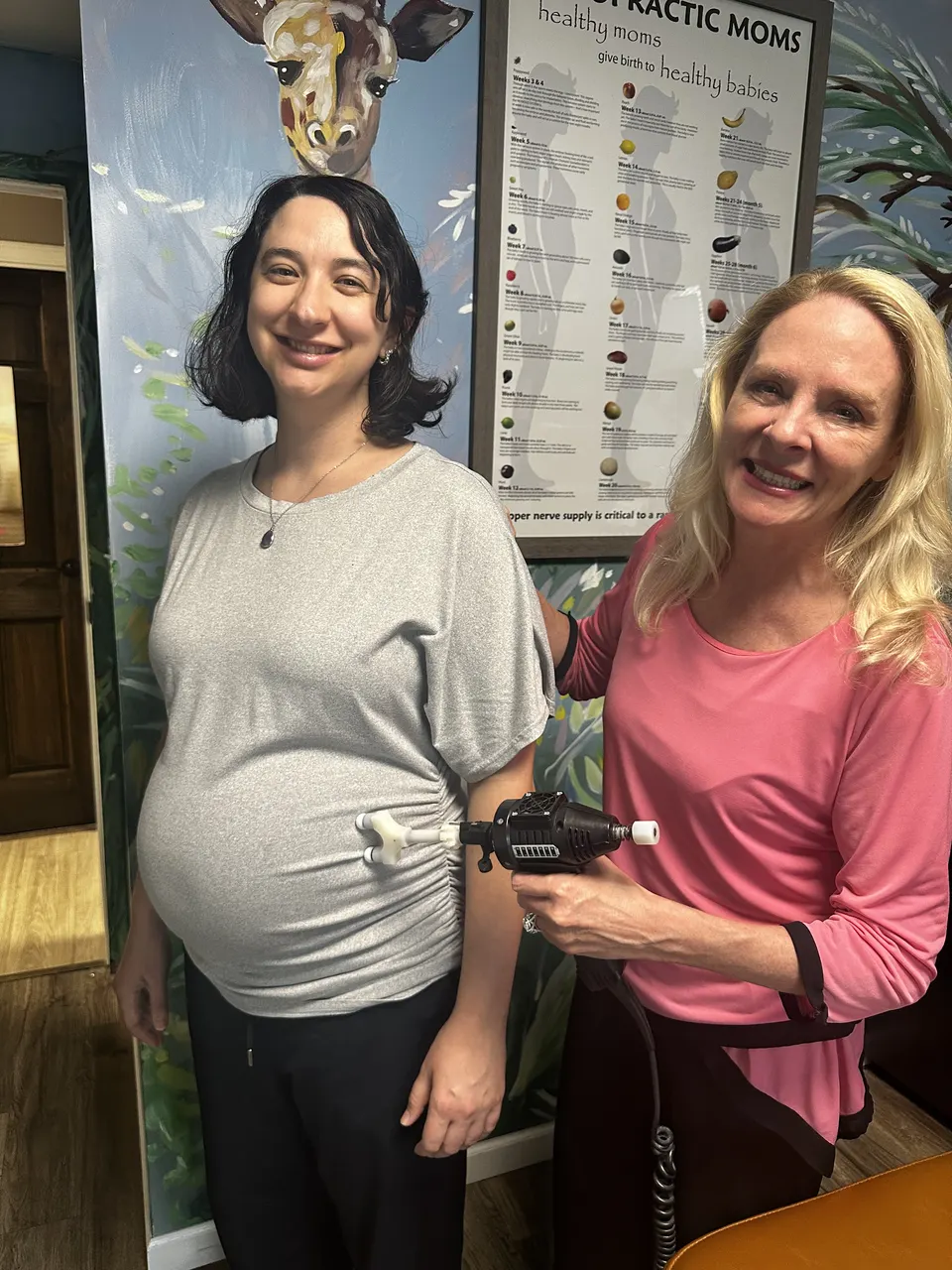
Our doctors work with a child's nervous system as it is today, regardless of what combination of factors shaped their diagnosis or developmental profile. A visit starts with your family's full story, pregnancy, birth, early feeding and sleep, and whatever concerns brought you in, followed by INSiGHT neurological scanning that measures function in the brainstem, vagus nerve, and the transitional zones tied to sensory processing, behavior, and motor control. That gives us an objective baseline rather than a guess, and something concrete to compare against on future visits. Care itself is gentle, light contacts at the upper neck and along the spine using Koren Specific Technique and Talsky Tonal Chiropractic, aimed at helping the nervous system shift out of a chronically alert state. Parents often describe the early signs first: an easier bedtime, a calmer reaction to a loud room, a bowel pattern that finally settles into a rhythm.
Practical Next Steps
- If you are currently pregnant, non-drug comfort measures like rest, hydration, and gentle movement are worth trying first, alongside prenatal nervous system focused care to support your own regulation through pregnancy and birth
- If you are a new parent noticing early signs of developmental differences, trust what you are seeing and seek an evaluation rather than waiting to see if your child catches up on their own
- If your child already has an autism diagnosis, a nervous system assessment can identify specific areas of stress and interference worth addressing, on top of whatever therapies are already part of your child's team
Where to Go From Here
Guilt over a past decision does not move a child's development forward, but nervous system support starting today can. Learn more about how we approach autism and neurodevelopmental care, or get our free guide on the nervous system side of autism. You can book online with our doctors in Royal Oak, or call us at (248) 616-0900 to talk through your child's story before your first visit.