Telling a child to take a deep breath rarely works in the moment it matters most. The idea behind vagus nerve exercises is sound, but most of these techniques were built with adults in mind, sitting still, following instructions, holding a pose. Getting a genuinely upset child to do any of that takes a different approach than simply reading them the instructions.
Why This Nerve Is Worth the Attention
The vagus nerve travels a long path, starting at the brainstem and winding its way through the throat, chest, and belly on its way to the heart, lungs, and gut. Along that whole route it acts as the main line carrying messages between the brain and those organs. It drives the parasympathetic side of the nervous system, the rest and digest mode responsible for calm, digestion, and steady heart rhythm. A well toned vagus nerve helps a child settle after being upset, digest comfortably, and recover more smoothly from ordinary stress. When that tone is weak, kids can get stuck cycling through anxiety, digestive trouble, or emotional swings that are hard to talk them down from, no matter how patient everyone around them is trying to be.
Vagal tone is not a permanent trait a child is simply born with and stuck with for life. It responds to practice, the same way a muscle responds to consistent use, which is why turning these into something your child will repeat matters more than doing any one of them perfectly.
Practices Worth Turning Into a Kid's Game
- Deep, slow breathing, dressed up as play: "smell the flower, blow out the candle" or blowing bubbles slowly gets a young child breathing with a long exhale without ever using the word breathing. Counting a slow four in, six out works for kids old enough to follow numbers.
- Humming or singing along: the vocal cords and throat carry vagus branches, so a favorite song hummed in the car or gargling water like a silly contest after brushing teeth genuinely engages this pathway, no lecture required.
- A cool washcloth, framed as a treat: briefly cool water on the face, neck, or hands triggers a calming reflex tied to the vagus nerve. Offering a cool washcloth as a comfort item during a meltdown works better than announcing it as an exercise.
- Gentle ear or neck rubs: light pressure around the outer ear or the sides of the neck has a calming vagal effect and doubles as comforting physical touch a child will usually lean into rather than resist.
- Silly movement breaks: animal walks, rolling on the floor, or rhythmic rocking in a chair support vagal tone through the body's movement and balance systems, and read as play rather than a task.
- A few minutes of shared stillness: reading together quietly or simply sitting close without a screen gives the vagus nerve a chance to engage without asking a child to meditate on command.
Why the Exercises Alone Sometimes Are Not Enough
Even dressed up as play, these practices are genuinely useful, and plenty of parents already use versions of them without knowing the name for what they are doing. For a child whose nervous system is regularly stuck in a heightened, hard to settle state, though, getting them to engage with any of this in the moment can feel like an uphill climb, or the calm it brings fades within minutes. That is often because ongoing tension somewhere along the vagus nerve's path, particularly through the upper neck and brainstem where it originates, is limiting how much these practices can accomplish on their own, no matter how playful the delivery.
What Care Looks Like For Your Child
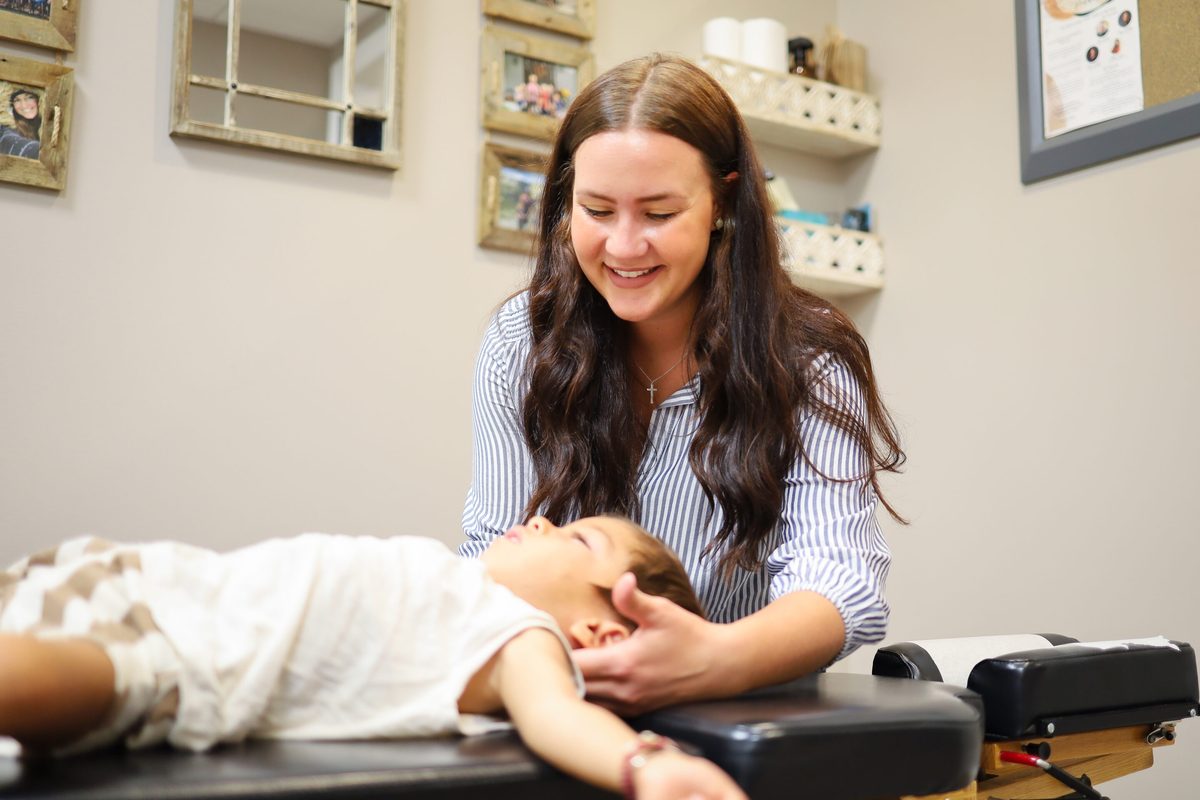
We start by hearing your child's history and the specific patterns you have noticed, whether that is trouble calming down, digestive struggles, or a nervous system that seems to run hot most of the day. A gentle exam and INSiGHT neurological scanning, including heart rate variability testing, give us an objective look at vagal tone rather than a guess. From there, our doctors provide light, nervous system focused adjustments aimed at easing tension in the upper neck and brainstem region, the exact area where vagus nerve signaling begins.
Why Kids Respond Faster to Both Together
Once tension along that pathway starts to ease, a child tends to actually go along with the games and practices above more readily, since the nerve itself has more room to respond and the calm arrives faster instead of feeling forced. Care addresses why the nerve needed extra help engaging in the first place, and the playful practices give a child something to reach for in the moment, at school, in the car, wherever a hard moment shows up without us there.
Parents often notice the shift shows up first as a child accepting the washcloth or the breathing game without a fight, rather than treating it as one more thing being asked of them during a meltdown.
What Parents Often Notice
Many parents describe steadier moods, easier transitions between activities, better sleep, and a child who bounces back from an upset more quickly than before. Digestive symptoms that had seemed unrelated, like a stomach that reacts strongly to stress, sometimes ease alongside the emotional regulation, since both run through the same nerve. Every child's nervous system responds at its own pace, and our doctors track your child's specific pattern closely.
Where to Go From Here
If your child's nervous system seems to need more support than breathing exercises alone can offer, our doctors in Royal Oak would welcome the chance to take a look. Learn more about how we support vagus nerve function in kids. When you are ready, book online, or call us at (248) 616-0900.