The pediatrician's checklist has a way of turning something joyful into something clinical. Rolled over yet? Crawling yet? Two words yet? Every appointment becomes a small test, and it is easy to start bracing for the answer before the question is even asked.
Here is a different way to hold all of this. Milestones are not a race against a stopwatch. They are building blocks, each one supporting the ones that come after it. A child who is a little behind on one skill but moving through the right sequence is often in a very different situation than a child whose sequence itself looks scrambled. The order matters as much as the date on the calendar, sometimes more.
What a Milestone Is Actually Measuring
A milestone is not really about the skill itself. Reaching for a toy, rolling over, saying a first word, none of these are the point on their own. Each one reflects an enormous amount of coordination happening underneath, countless neurons forming and strengthening connections that will support learning and movement for years afterward.
Development spans four areas that all build on each other: motor skills, both the big movements like crawling and the small ones like grasping a crayon, language, social and emotional growth, and cognitive skills like problem solving. Tracking all four gives a much fuller picture than watching any single one in isolation.
Why Sequence Beats the Calendar
Most milestone conversations focus entirely on timing. Is my child on schedule? What almost nobody talks about is that the order skills arrive in tells you more about how a nervous system is developing than the exact week or month does.
A child who is a bit slower to reach a skill but is still moving through motor, then sensory, then language, then social development in the expected order is often on solid neurological footing, even if a chart would flag them as behind. A child whose sequence looks scrambled, skipping steps or developing wildly out of the usual order, is a different picture worth a closer look, even if their individual skills look age appropriate on paper.
This distinction rarely comes up at a standard well child visit, which tends to focus on whether a box gets checked rather than how the whole sequence is unfolding. It is a subtle shift in perspective, but it changes the question parents are really asking. Instead of only asking when, it becomes worth asking whether the steps leading up to now made sense together.
How the Nervous System Drives the Whole Process
Underneath every milestone sits the autonomic nervous system, running the involuntary functions that support growth: breathing, heart rate, digestion, and the sleep-wake cycle, along with emotional regulation and stress response. It has two branches that need to work in balance, one that activates and one that calms, so a child can respond to challenges and then settle back down afterward.
Physical strain during birth, whether from a long labor, forceps, vacuum extraction, or a C-section, can leave tension in a newborn's upper neck and brainstem that interferes with this balance. When that happens, a child's nervous system can lean too far toward a stressed, activated state, and that imbalance can make it harder to reach milestones on schedule or in the expected order.
Motor and sensory development in particular tend to lay the groundwork the rest of development builds on. A child whose early motor foundation is shaky often carries that gap forward into how they handle sensory input, digestion, or language later, even when it is not obvious at first that the pieces are connected. This is part of why two children with the exact same delay on paper can need very different plans. One may simply need more time within a sound sequence. The other may need the underlying foundation addressed before the rest of the sequence has a real chance to catch up.
Signs Worth a Closer Look
Every child develops at their own pace, and some variation is completely ordinary. A few patterns are worth paying closer attention to rather than waiting out:
- No babbling, gesturing, or pointing by 12 months
- Not walking independently by 18 months, or almost always walking on tiptoe
- Loss of a language or social skill that a child previously had
- Very limited movement, or a body that feels unusually floppy or stiff
- Persistent drooling well past the age most kids grow out of it
- A sequence of skills arriving noticeably out of the usual order
If something about your child's development does not sit right with you, that instinct is worth listening to. Earlier attention tends to open more options than waiting does, and it rarely costs anything to take a closer look sooner rather than later.
How Our Doctors Approach Developmental Milestones
Our doctors start by hearing your child's birth story and developmental timeline in full, since context from pregnancy and delivery often explains patterns that show up later. From there, a gentle exam along with INSiGHT neurological scanning gives an objective look at how your child's nervous system is currently functioning, rather than relying on a checklist alone.
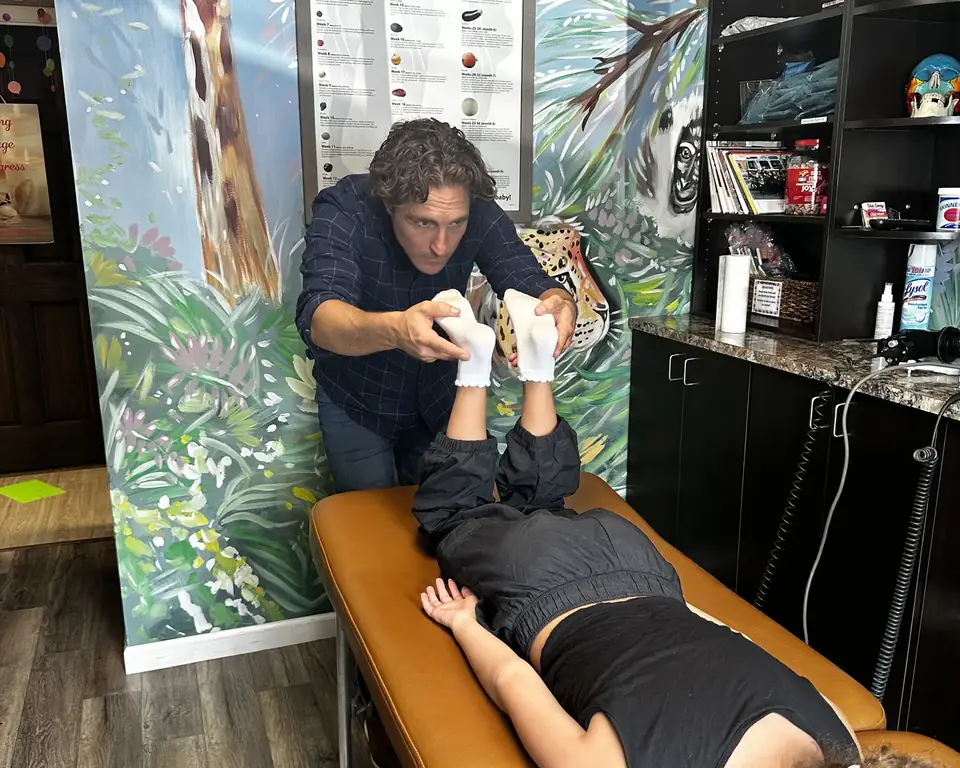
Using Koren Specific Technique and Talsky Tonal Chiropractic, our doctors deliver light, nervous system focused adjustments aimed at reducing interference in the brainstem and spine, giving the motor and sensory foundation of development room to catch up and stabilize. Because milestones build on each other, supporting the nervous system early tends to have effects that show up well beyond the specific skill parents originally came in asking about.
Where to Go From Here
If you are watching your child's milestones with more worry than wonder lately, it is worth learning more about how we support developmental delays, or downloading our free guide on the nervous system side of development. When you are ready, you can book online with our doctors in Royal Oak, or call us at (248) 616-0900 to talk through what you are noticing.