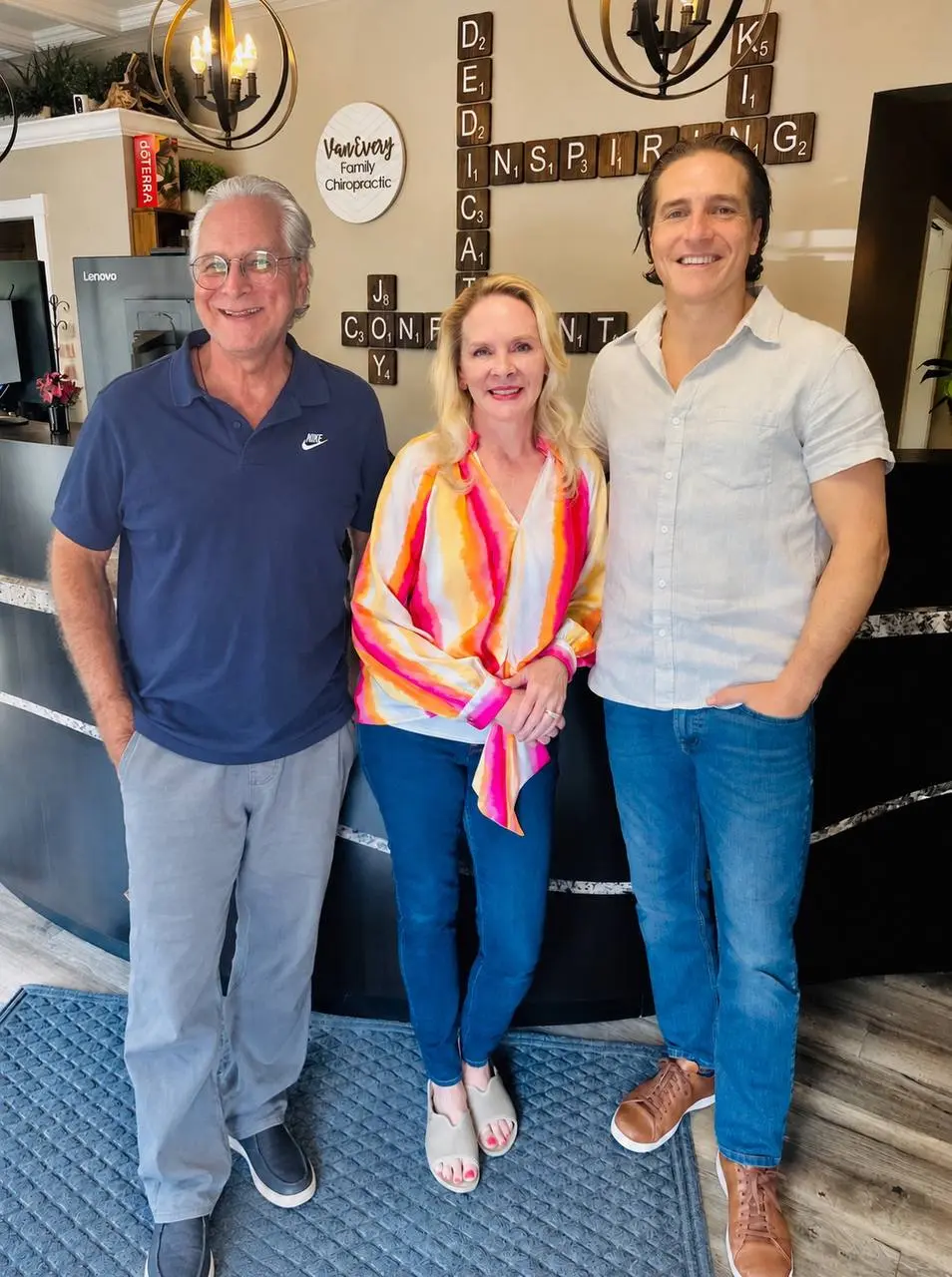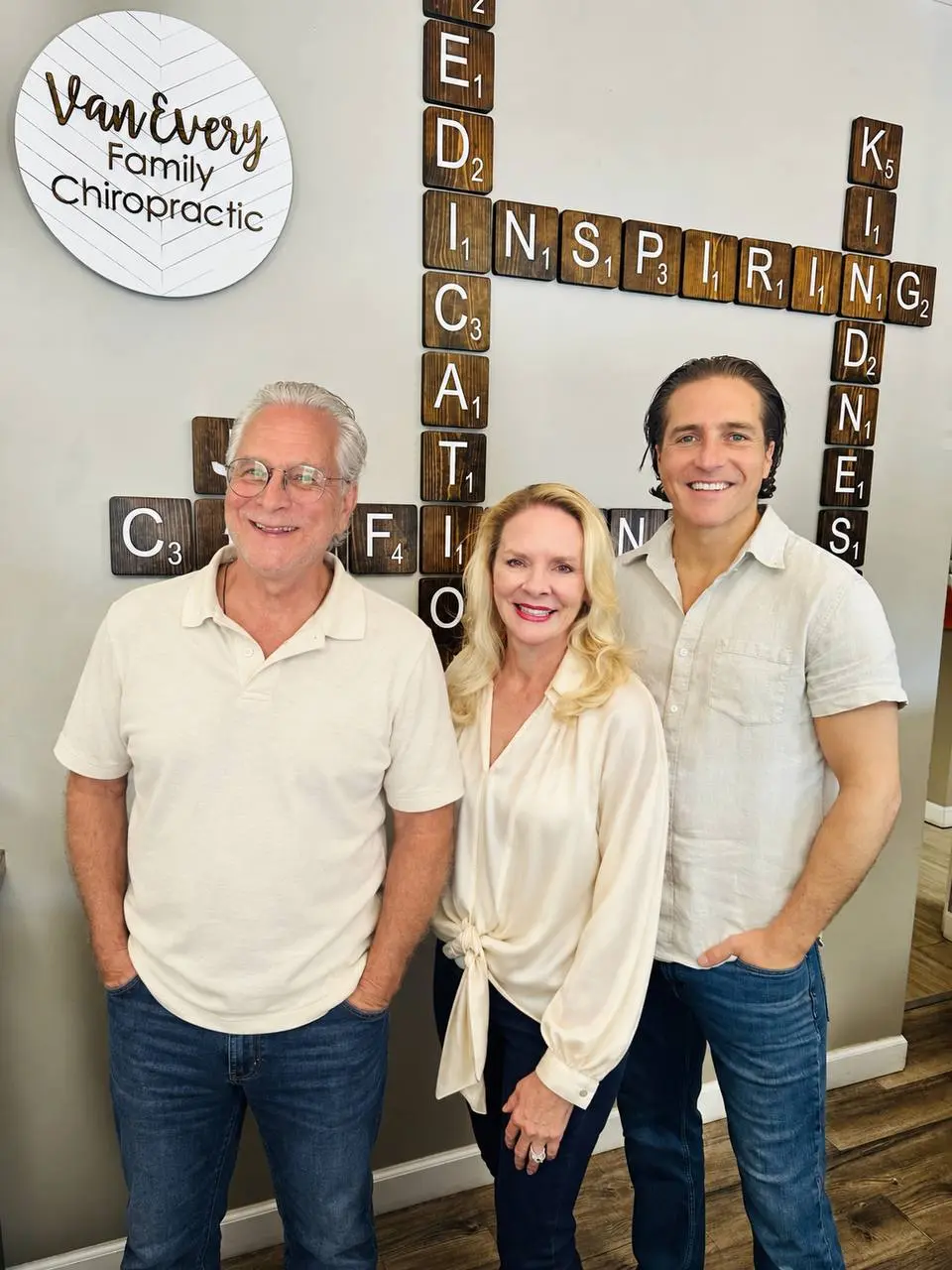
If you are searching for a POTS chiropractor Royal Oak families can see, start here: POTS is a pattern where the nervous system struggles to adjust when you stand, so your heart races to make up the difference. At Van Every Family Chiropractic Center, Dr. Zach Conner walks through it as a whole nervous system story, not a heart problem alone.
What is POTS and why does your heart race when you stand?
POTS stands for postural orthostatic tachycardia syndrome, and the racing heart is your body covering for an adjustment that is not keeping up. As we said, "When you stand, gravity pulls blood toward your legs and belly." Normally your nervous system tells your blood vessels to squeeze and your heart rate to rise just enough to keep blood moving back toward your heart and brain.
With POTS, that handoff struggles. The blood vessels do not squeeze the way they should, so less blood makes its way back up. Your body hits the alarm, releases adrenaline, and your heart races. That helps explain why dizziness, brain fog, exhaustion, nausea and temperature swings show up together. Dr. Zach described the official criteria this way: a heart rate that climbs 30 or more beats a minute (40 or more for teenagers) within 10 minutes of standing, without blood pressure dropping, for at least three months.
Is POTS just anxiety?
No. Dr. Zach said research shows "people with POTS are no more anxious than the general population." When anxiety shows up, he said, it is usually because of what POTS put you through, not the cause of it.
He also pointed to how long people wait to be believed: "it took a median of about two years and around seven doctors to get a diagnosis." We said it plainly: "You are not imagining what you feel. Your story deserves to be heard."
Why does one nervous system get stuck while another does not?
In our office we look at POTS through the autonomic nervous system, the part that runs heart rate, blood pressure, digestion, temperature, sleep and energy automatically. Dr. Zach compares it to a car with a gas pedal (fight or flight) and a brake pedal (rest, digest and recovery), connected by the vagus nerve. A healthy system shifts smoothly between the two.
He explained that when the body is overwhelmed, it braces. The overwhelm can be physical, like a fall, a car accident, a concussion, a surgery or a hard birth. It can be chemical, like an illness or infection, or emotional, like grief or a hard season of life. Each one is a layer, and the layers stack, like a stress bucket. About the moment people point to as the start, he said, "the event is usually the last straw, not the whole story."
What does a POTS chiropractor in Royal Oak look for?
We start by measuring. Dr. Zach said we use insight scans with no radiation and nothing invasive: heart rate variability, thermography and surface EMG. Each one shows a different part of the picture, including how your nervous system is working right now and how tension is being held around the brainstem, neck and upper back.
He also talked about posture, because the upper back is where the fight or flight nerves branch out. Telling someone to sit up straight does not work for long, because it is not a willpower problem. It is tension the body is still holding. You can read more on our POTS and dysautonomia page.
What does care for POTS look like at Van Every?
Our whole approach is built around "Helping your body know it's safe to let go of that tension it doesn't need anymore." The contacts are specific and gentle, with no cracking, no popping and no twisting, and we give the nervous system information instead of forcing it. Dr. Zach said, "We only ever adjust where the body says yes." All three of our doctors use the techniques we offer, and we see children and teenagers as well as adults.
On the first visit we sit down and go through your whole story, then run your scans. On the second visit we go over the report of findings, tie the scans to your story and lay out a care plan built for you or your child, with the chance for a first gentle adjustment. Our new patient center walks through what to expect.
Families come to us in Royal Oak from nearby towns like Troy, Clawson and Ferndale, and our Troy chiropractor page shows how to find us. Dr. Zach closed with this: "Your body isn't broken. It's been protecting you this whole time." To talk it over, call or text (248) 616-0900 or book online.
Frequently asked questions
What is POTS in plain words?
POTS is postural orthostatic tachycardia syndrome, where your heart rate climbs sharply when you stand. Dr. Zach explained that blood stays pulled down low, less reaches the heart and brain, and your body releases adrenaline so your heart races to make up the difference. That is why dizziness, fog and fatigue can come together.
Can a chiropractor in Royal Oak help with POTS?
Our doctors look at POTS as a nervous system pattern and measure it with heart rate variability, thermography and surface EMG. Care is gentle, with no cracking, popping or twisting. All three doctors see adults, teens and children. Call or text (248) 616-0900 and we will tell you what the first two visits look like.
Does the adjustment involve cracking or twisting?
No. Dr. Zach said our contacts are very specific and very gentle, with no cracking, no popping and no twisting. We look for where your body is ready to let go and only adjust where the body says yes, giving the nervous system information instead of forcing anything into place.
What happens at the first two visits?
The first visit is your whole story plus your insight scans, which have no radiation. On the second visit we go over the report of findings, tie the scans to your story, lay out a care plan built for you or your child, and offer a first gentle adjustment.