Costochondritis is an inflammation where the upper ribs connect to the cartilage that holds them to the breastbone. It causes sharp, localized chest pain that can be alarming even though the condition itself is relatively harmless. Our doctors have helped many patients find relief without drugs, using gentle techniques that let the rib cage move the way it is supposed to.
The cause is often unknown, though it can follow increased activity involving the arms, an infection, or even a complication of chest surgery. Whatever brought it on, the pain is real, and it deserves a real answer.
What It Feels Like
Patients describe a sharp, stabbing pain that gets worse with every breath, and men with costochondritis often head straight to the hospital certain they are having a heart attack. The pain sits right where the ribs meet the breastbone, and it can make something as simple as breathing, coughing, or reaching overhead feel like a real event.
Ruling Out the Heart First
Chest pain in an adult is treated seriously by every doctor until proven otherwise, and that is exactly how it should be. Adults with chest pain typically go through testing to rule out a heart attack or heart disease before anyone lands on a diagnosis of costochondritis, because the two can be genuinely hard to tell apart without that testing. Once the heart is cleared and a physical exam is consistent with costochondritis, the picture becomes clear.
Who It Shows Up In
Costochondritis affects people of every age. It is actually one of the more common causes of chest pain in children and adolescents, responsible for 10 to 30 percent of chest pain complaints in kids. Both women and men get it, though it shows up in women noticeably more often, roughly 70 percent of cases versus 30 percent in men. Coughing, exercise, pregnancy, sneezing, and increased arm activity can all bring it on.
Our Approach
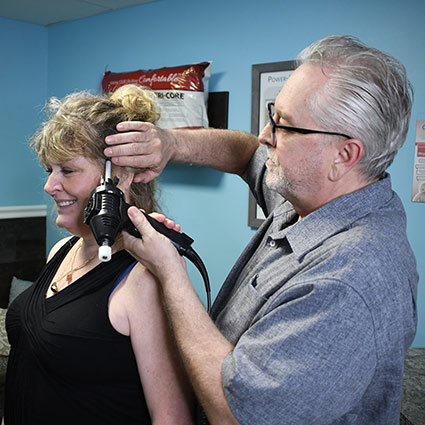
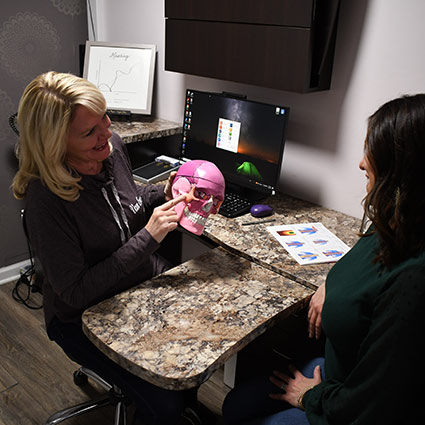
When your ribs are out of position, our doctors use Koren Specific Technique (KST) and Talsky Tonal Chiropractic (TTC), light, nervous system focused contacts from both the front and the back of the rib cage, no cracking, popping, or forceful manipulation. Adjusting the sternum helps, as does releasing the muscles surrounding the ribs, and we use INSiGHT scanning to see exactly where the irritation is coming from before we touch a rib.
The goal is simple: let your ribs move and glide the way they are meant to, especially when you breathe. We may also recommend heat or ice at home to take the edge off while your rib cage settles back into its normal motion.
What to Expect
Because the contacts are gentle, care does not add discomfort on top of what you are already feeling. Most patients notice breathing gets easier before the sharp, stabbing sensation fully resolves, followed by being able to cough, reach, and move through daily activity without bracing for that ice pick feeling again.
Book an Appointment
If you think you are experiencing costochondritis, our doctors see patients on Saturdays in Royal Oak.
Common Questions
What causes costochondritis?
How do I know if it is costochondritis and not a heart problem?
Can children get costochondritis?
How does chiropractic help with costochondritis?
Is chiropractic care safe when breathing already hurts?
Who is more likely to get costochondritis?
Related: Back & Neck Pain · Posture & Tech Neck · Chronic Pain · Pregnancy Back Pain