Your child grabs their chest and says it hurts to breathe, and every instinct you have goes straight to worst case. You get them checked, appropriately and quickly, and the heart comes back clear. Relief floods in, followed almost immediately by a new question. If it is not the heart, what is actually causing a sharp pain that gets worse every time your child takes a deep breath, coughs, or twists to reach for something?
For a large share of kids and teens, the answer is costochondritis, inflammation where the upper ribs connect to the cartilage holding them to the breastbone. It is far more common in young people than most parents realize, and understanding what it actually is tends to bring a second wave of relief once the fear of something more serious has passed.
More Common in Kids Than You Would Guess
Costochondritis is one of the more common causes of chest pain in children and adolescents, responsible for an estimated 10 to 30 percent of chest pain complaints in this age group. That is a wide enough share that pediatric providers see it regularly, even though most parents have never heard the term until their own child is diagnosed with it. Growth spurts, increased activity involving the arms, a recent respiratory infection, or simply the mechanical stress of an active kid's day can all bring it on. Often there is no single clear cause at all.
Why the Heart Gets Checked First, Every Time
Chest pain in a child is treated seriously until proven otherwise, and that is exactly the right approach. Costochondritis and heart related chest pain can be genuinely difficult to tell apart without proper evaluation, so ruling out the heart comes first, before anyone lands on a diagnosis of costochondritis. Once that has been done and a physical exam is consistent with a rib and cartilage cause, the picture becomes much clearer, and it becomes something we can help with directly.
What It Actually Feels Like for Kids
Children describe it in different ways depending on their age and vocabulary, but a few patterns repeat. A sharp, stabbing sensation right where the ribs meet the breastbone. Pain that flares with a deep breath, a cough, a sneeze, or reaching overhead for something on a shelf. Tenderness when you press gently on the area, which is actually one of the more reliable signs pointing toward costochondritis rather than something else. Some kids brace against taking a full breath, which can look like anxious breathing even though the cause is entirely physical.
Why the Ribs Get Irritated in the First Place
Ribs are meant to move and glide slightly with every breath, every twist, every reach. When a rib joint gets irritated or slightly restricted, whether from a growth spurt, a sport that involves a lot of arm motion, a cough that lingered longer than expected, or simply how a child has been sitting and moving through a busy week, that small restriction can become genuinely painful, especially with something as constant and necessary as breathing.
How We Support Kids With This Pattern
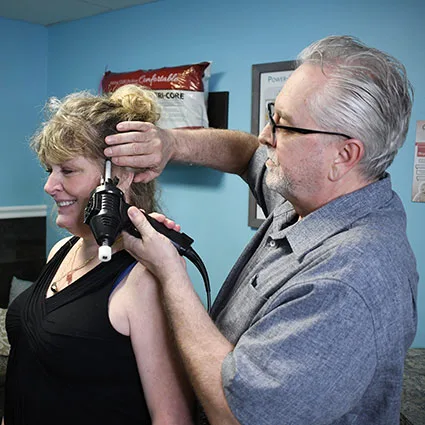
Once your child's chest pain has been medically cleared, our doctors use Koren Specific Technique and Talsky Tonal Chiropractic, light, nervous system focused contacts along the rib cage and sternum, with no cracking, popping, or forceful manipulation. We use INSiGHT scanning to see objectively where the irritation is coming from rather than guessing from where it hurts most that day. The goal is simple: help the ribs move and glide the way they are supposed to, especially with the constant, unavoidable motion of breathing.
Because the contacts are so gentle, care does not add discomfort to what your child is already feeling, which matters a great deal with kids who are already nervous about anyone touching a sore area. A few things families often notice as the rib cage settles:
- Breathing that starts to feel easier before the sharp pain fully resolves
- Less bracing before a cough, laugh, or sneeze
- An easier time reaching overhead or twisting during sports and play
- Fewer flare ups tied to growth spurts or busy activity weeks
- A calmer child overall, once the fear around the pain itself has eased
Both Girls and Boys Get It, at Every Age
Costochondritis affects kids and teens of every age and shows up in both boys and girls, though it tends to be reported more often in girls once puberty and growth spurts pick up speed. It can follow a season of a sport that involves a lot of arm and shoulder motion, a stretch of forceful coughing during a cold, or nothing identifiable at all. None of that makes the pain less real, and none of it means anything is structurally wrong with your child's heart or lungs once those have been ruled out.
What Parents Can Do at Home
Heat or a warm bath can take the edge off during a flare, and gentle reassurance goes a long way once the heart has been cleared, since kids often carry real fear about chest pain even after being told it is not dangerous. Keeping your pediatrician in the loop matters throughout.
If your child's chest pain has been cleared medically and you are looking for a gentle next step, our doctors in Royal Oak would be glad to take a look. Learn more about how we support costochondritis and rib pain, or get our free guide on what is actually happening with the ribs. You can book a consultation online, or call us at (248) 616-0900 with any questions first.