

Anxiety Can Linger Even After Therapy and Medication Help
Therapy, medication, and breathing apps all help. But anxiety also has a physical side that those tools alone do not always reach.
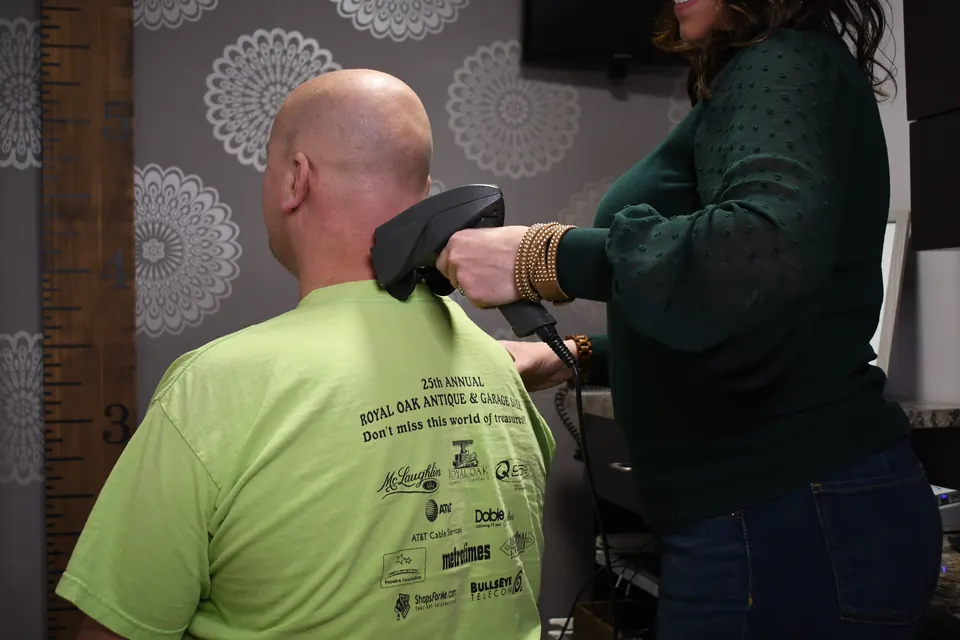
Anxiety and chronic stress have become the background hum of modern life. There are many ways to manage them, and one that gets overlooked is the physical state of your own nervous system. Our doctors help restore balance to that system, supporting your body's natural ability to adapt to stress rather than just white-knuckling through it.
Anxiety and stress are not just "in your head": they create real physical changes in the body. Your nervous system gets stuck in fight-or-flight mode, and that affects your heart rate, your digestion, and your sleep. The adrenal, thyroid, and pituitary glands work in a cascading order to regulate mood, and a nervous system stuck in overdrive can throw that entire cascade off balance.
Anxiety rarely looks the same from person to person. For some it is a persistent low hum of worry that colors every decision, from what to say in a meeting to whether the front door is really locked. For others it arrives as a panic attack: a sudden wave of fear with a racing heart and tight chest that can feel like something is seriously wrong even when it is not. Many people carry it in the body long before they would ever call it anxiety, as heart palpitations at rest, trouble falling or staying asleep, chronic tightness across the neck and shoulders, or a fog that makes it hard to concentrate or make even small decisions.
The stress switch, for a lot of people, is simply stuck on, running even when there is no real threat in the room.
Your autonomic nervous system runs on two branches. The sympathetic branch, fight-or-flight, raises your heart rate, tenses your muscles, and pulls blood away from digestion during real emergencies. The parasympathetic branch, rest-and-digest, slows the heart rate, supports digestion, and allows healing and recovery.
The two are supposed to take turns. The problem is a nervous system that gets stuck in sympathetic dominance, so the stress switch stays on even when there is no real threat in the room. Over time that creates chronic anxiety, tension, and eventual exhaustion.
Adjustments help shift the nervous system out of sympathetic dominance and back toward parasympathetic balance. The vagus nerve is your main parasympathetic nerve, and proper upper cervical alignment supports the healthy vagal function that helps a person actually calm down.
Anxiety also creates muscle tension, and muscle tension feeds anxiety right back. Addressing stress at the level of the spine and nervous system breaks that loop instead of just managing it one flare at a time. Many patients describe feeling genuinely relaxed after an adjustment, as the gentle work releases stored tension rather than adding to it.
Our INSiGHT scans include heart rate variability testing, one of the clearest measures of autonomic nervous system function and stress resilience available. HRV measures the variation in time between heartbeats, and low HRV correlates with anxiety and chronic stress. This gives our doctors an objective picture of where your nervous system is actually holding onto stress, not just how you feel emotionally on a given day. We use this reading, along with thermal and sEMG scans and a report of findings, to track your progress as your nervous system settles.
Care looks a little different for everyone, but patients often notice the shift gradually: feeling calmer and more centered after their adjustments, falling asleep more easily, and getting through a stressful week without it knocking them flat. Chronic tension in the neck and shoulders tends to ease alongside the anxiety itself, since the two feed each other. For patients already working with a therapist or physician, our doctors are glad to coordinate with them, since nervous system care complements the rest of a person's mental health support well.
Even preschoolers experience anxiety now, largely because everything is a new experience they are constantly adjusting to. Too much screen time and overloaded schedules do not help, and kids in high-level sports like gymnastics or soccer rarely get a real break. Left unaddressed, this can show up as bedwetting, behavioral changes, or tics.
Anxious kids tend to become anxious adults, so addressing it early matters. Using Koren Specific Technique (KST) and Talsky Tonal Chiropractic (TTC), our doctors adjust seated or standing, with no cracking or sudden movement, which makes this approach genuinely comfortable for nervous kids and adults alike.
Take the First Step Discover how nervous system care may help you manage stress and anxiety naturally in Royal Oak.
Book OnlineYes. Anxiety has a real physical component. Your autonomic nervous system gets stuck in fight-or-flight mode, and chiropractic adjustments help restore balance between the sympathetic (stress) and parasympathetic (calm) branches of your nervous system. Many patients experience meaningful improvement in their anxiety symptoms through regular care.
No. Chiropractic care works well alongside mental health treatment, not as a replacement for it. If you are already working with a therapist or physician, our doctors are happy to coordinate with them, and nervous system care simply adds another layer of support by addressing the physical piece of anxiety directly.
Heart rate variability (HRV) measures the variation in time between heartbeats, which reflects your autonomic nervous system balance. Low HRV is associated with anxiety and chronic stress. We use HRV testing, part of our INSiGHT scans, to objectively measure your stress levels and track improvement as your nervous system becomes more balanced.
No. Using Koren Specific Technique (KST) and Talsky Tonal Chiropractic (TTC), our doctors use light, nervous system focused contacts with no cracking, twisting, or sudden movements. Many anxious patients find their adjustments genuinely relaxing and end up looking forward to their visits.
Yes. Even young kids can get stuck in fight-or-flight, especially with packed schedules, screen time, and big feelings they do not yet have words for. Using Koren Specific Technique (KST) and Talsky Tonal Chiropractic (TTC), our doctors adjust kids seated or standing with no cracking or sudden movement, so care feels calming rather than something to brace for.
It depends on your individual needs and how your nervous system responds. Our doctors determine the right approach after a thorough history, consultation, and INSiGHT scans with HRV testing, which gives us the information needed to recommend a care plan based on your specific nervous system findings. Many patients benefit from more frequent visits initially, tapering off as their nervous system stabilizes.
Therapy, medication, and breathing apps all help. But anxiety also has a physical side that those tools alone do not always reach.
Medication helps a lot of people, and it is not the only path forward. If you are looking for a non-medication approach alongside what is already helping, here is where to start.
Chronic muscle tension, trouble sleeping, big emotional swings. When a child's system stays revved up, everyday life feels harder than it should. Here is what calming it down actually involves.
Our doctors put together a full article on anxiety & stress that explains what's really behind it and what lasting relief looks like. Get instant access below.
