
Watching your child's body seize, even for a few seconds, can feel like the longest moment of your life. The helplessness that follows, wondering what caused it, whether it will happen again, and what you're supposed to do next, is exhausting in a way that's hard to explain to anyone who hasn't lived it.
If your child has been diagnosed with epilepsy, or you're in the middle of trying to find answers after a first seizure, you're not alone, and there is a lot of solid information that can help you understand what's happening inside your child's nervous system and where support can come from.
What Pediatric Epilepsy Actually Is
Epilepsy is one of the most common neurological conditions in childhood, affecting hundreds of thousands of kids in the United States. It's defined by recurring, unprovoked seizures, which happen when there's a sudden burst of abnormal electrical activity in the brain. Depending on the type, a seizure can look like full-body convulsions and loss of consciousness, brief staring spells, localized muscle twitching, or unusual sensations like tingling or a sense of deja vu.
There are several recognized types of epilepsy in children. Generalized epilepsy involves both sides of the brain from the start and often causes full loss of consciousness. Focal epilepsy begins in one specific brain region, so its signs depend on which area is involved. Infantile spasms are a rarer form that typically starts in the first year of life, often in clusters around sleep transitions. Lennox-Gastaut syndrome is a more severe childhood-onset form involving multiple seizure types alongside developmental and cognitive challenges.
In more than half of cases, doctors are never able to pin down an exact cause. Where a cause is identified, it can include genetics, structural differences in the brain, a brain injury from trauma, an infection like meningitis, or a metabolic imbalance.
The Nervous System's Role in Seizure Activity
Beyond the specific diagnosis, many children with epilepsy show signs of a nervous system that's stuck running hot, what's sometimes called sympathetic dominance. This is the fight or flight branch of the nervous system staying active even at rest, rather than settling the way it should when there's no real threat present.
The vagus nerve is central to bringing the nervous system back down out of that state. It runs from the brainstem through the neck and out to the heart, lungs, and gut, and it's the primary calming pathway your child's body has. When vagal tone is reduced, whether from early stress, a difficult birth, or ongoing tension patterns in the upper neck, the nervous system loses some of its ability to downshift and regulate itself. In children already managing seizure activity, that reduced capacity to settle can add strain to an already taxed nervous system.
Where Conventional Care Helps, and Where It Has Limits
Anti-seizure medications remain an essential part of caring for a child with epilepsy, and for many families, working closely with a pediatric neurologist is what keeps seizures controlled and keeps kids safe. These medications work by changing electrical activity in the brain to reduce the likelihood of a seizure, and in cases where medication alone isn't enough, surgical options are sometimes considered as well.
At the same time, medication manages symptoms rather than addressing whatever is contributing to nervous system dysregulation underneath. Some children continue to have seizures despite trying several medications, and side effects like drowsiness, mood changes, digestive upset, or trouble concentrating are common enough that many families are looking for ways to support their child's overall regulation alongside their medical plan, not instead of it.
How Nervous System Care Complements Medical Care
This is where gentle, nervous system focused chiropractic care can play a supporting role. Our approach isn't aimed at seizures directly. It's aimed at the tension patterns and stress held in a child's nervous system that can make it harder for that system to regulate and recover.
We start by hearing your child's full history: birth story, developmental milestones, seizure pattern, current medications, and anything you've already tried. From there, our doctors use a gentle exam along with INSiGHT neurological scanning, which measures things like heart rate variability, muscle tension patterns, and temperature regulation, to get real, objective data on how your child's nervous system is functioning rather than guessing.
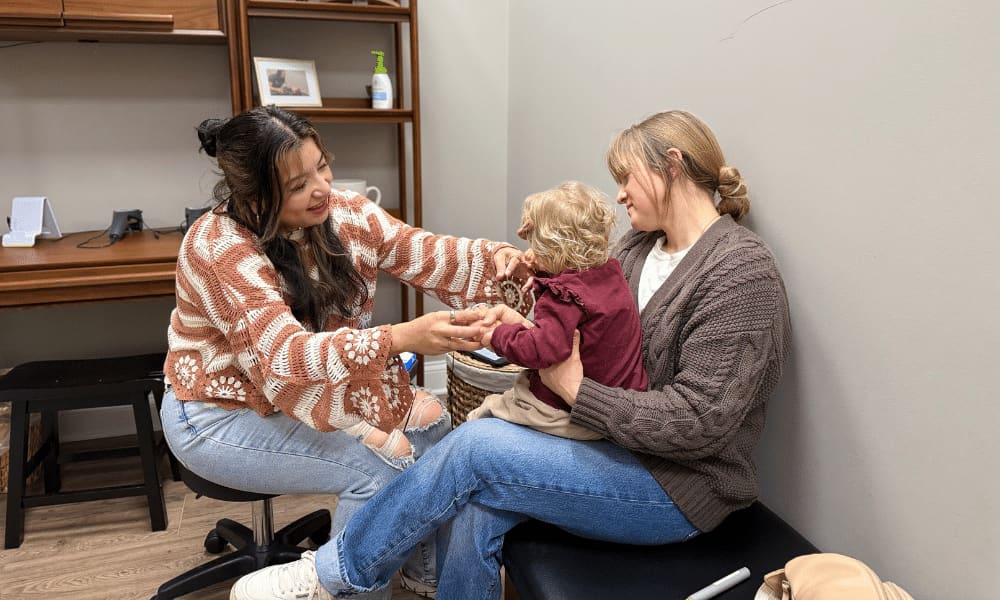
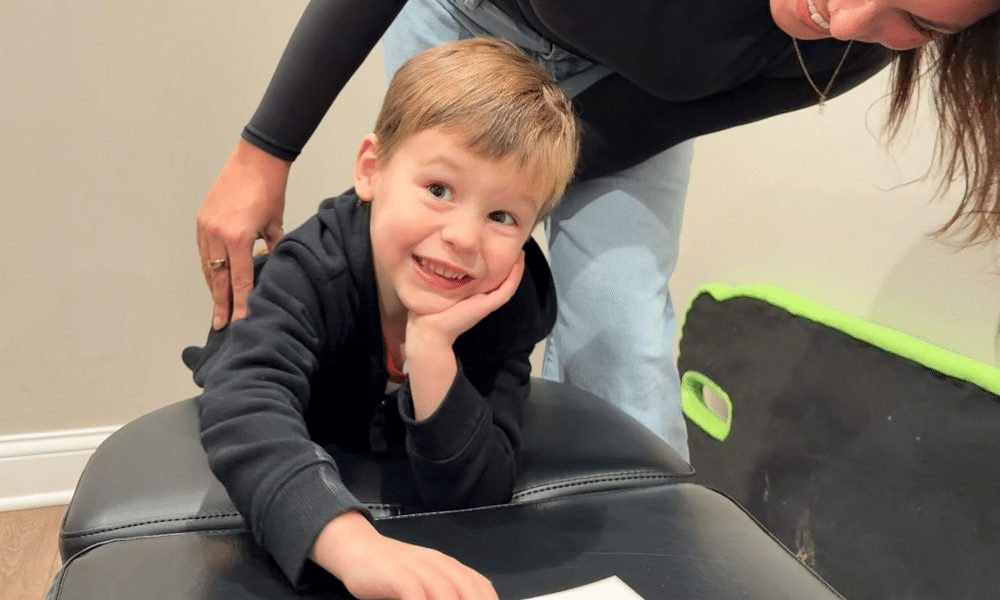
Using Koren Specific Technique and Talsky Tonal Chiropractic, our doctors deliver light, nervous system focused contacts with no cracking, popping, or twisting, working at whatever pace keeps your child comfortable. The goal is to ease tension patterns, particularly around the upper neck and brainstem, that may be limiting your child's vagal tone and overall capacity to regulate.
What This Looks Like in Practice
Families often come to us already years into their child's care plan, looking for one more piece of the puzzle rather than a replacement for what they're already doing. A few things matter here:
- We never suggest changing or stopping any medication your child's neurologist has prescribed
- Care is built around your child's specific nervous system findings, not a one-size-fits-all protocol
- Progress is tracked over time with INSiGHT scans, so we can see how your child's regulation is shifting
- We stay in communication with your family about what we're seeing and how the plan may need to adjust
Every child's nervous system responds at its own pace. Some families notice small shifts in sleep, mood, or overall settledness within the first several visits, while more complex cases take longer, steadier care to see change. Either way, our doctors keep a close eye on your child's progress and adjust the plan as needed.
Where to Go From Here
If your family is navigating a seizure diagnosis and looking for support that works alongside your neurology team, our doctors in Royal Oak would be glad to talk through what nervous system care can offer. You can read more about how we support seizure disorders in children, or get our free guide on the nervous system side of seizure activity. When you're ready, you can book a consultation online, or call us at (248) 616-0900 to ask questions before your first visit.