
Maybe seizures run in your family. Maybe your child's delivery was long and hard, or came early. Maybe you have already sat through one febrile seizure and cannot stop wondering whether there will be another, or whether it will ever turn into something more. None of that means a seizure disorder is inevitable. It does mean you are watching your child's nervous system more closely than most parents ever have to, and wondering if there is anything worth doing now, before anything else happens.
Who Tends to Ask This Question
Families usually land here for one of a few reasons. A parent or sibling has epilepsy, and genetics clearly play some role in the picture. A pregnancy involved real stress, or fertility struggles, or nutritional gaps that make a parent wonder what that meant for a developing brain. A birth involved a vacuum, forceps, a long induction, or came before term, all of which put real physical stress on a newborn's upper neck and brainstem in those first hours of life. Or a child has already had one seizure, febrile or otherwise, and the family wants to understand what is behind it rather than just wait to see if it happens again.
None of these things guarantee anything, in either direction. But each one is a real, physical stressor placed on a nervous system that is still building its own regulation, and that is worth understanding rather than dismissing. Some families arrive after years of feeling dismissed, told repeatedly that a single febrile seizure or a difficult delivery does not mean anything, when their own instincts said otherwise. We take those instincts seriously.
What's Actually Building in the Nervous System
The brainstem sits right where the skull meets the spine, and it runs a huge share of the body's core regulatory work: breathing, heart rate, sleep, and how well the nervous system can shift between alert and calm. The vagus nerve begins there too, threading down through the neck and into the chest and abdomen.
When the upper cervical spine carries physical tension, whether from a hard delivery, a fall, or repeated stress over time, it can interfere with how clearly the brainstem and the rest of the nervous system communicate. Think of it like a busy highway. Traffic moves fine when the road is clear. Add a few structural bottlenecks and everything downstream slows down and backs up in ways that are hard to trace to any one cause. A nervous system carrying that kind of interference has less room to adapt when another stressor shows up on top of it, whether that is an illness, a growth spurt, or a rough night of sleep.
This is part of why seizure activity so often shows up alongside a handful of other patterns in the same child: trouble sleeping, digestive issues, sensory sensitivities, a nervous system that seems to run hot generally. They tend to share the same underlying regulation problem rather than being unrelated coincidences.
Building a Steadier Foundation, Not Chasing a Guarantee
We want to be plain about what this kind of care is and is not. Nervous system focused chiropractic care is not aimed at seizure disorders directly, and no family should walk in expecting a guarantee either way. What it is aimed at is something more foundational: supporting the nervous system's own capacity to regulate and adapt, so that ordinary stressors, an illness, a bad night, a growth spurt, do not land on a system that is already stretched thin.
A handful of things tend to describe a nervous system carrying extra load and worth a closer look:
- A family history of seizures or epilepsy
- A pregnancy or birth involving real physical or emotional stress
- A history of a febrile seizure, even a single one
- Frequent illness, poor sleep, or sensory sensitivities that seem connected rather than separate
- A general sense that your child's nervous system runs more reactive than most
What Care Looks Like For Your Child
We start with a full history, including birth details, family history, and anything you have already noticed about how your child's body responds to stress. From there, our doctors run INSiGHT neurological scanning, thermal, heart rate variability, and sEMG, which gives an objective look at how the autonomic nervous system is functioning rather than relying on guesswork.
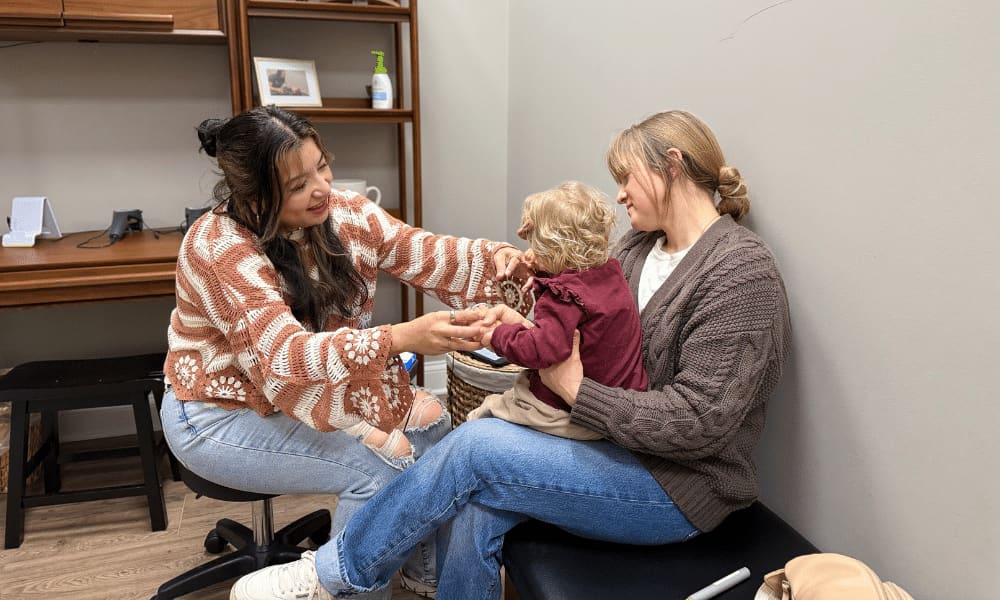
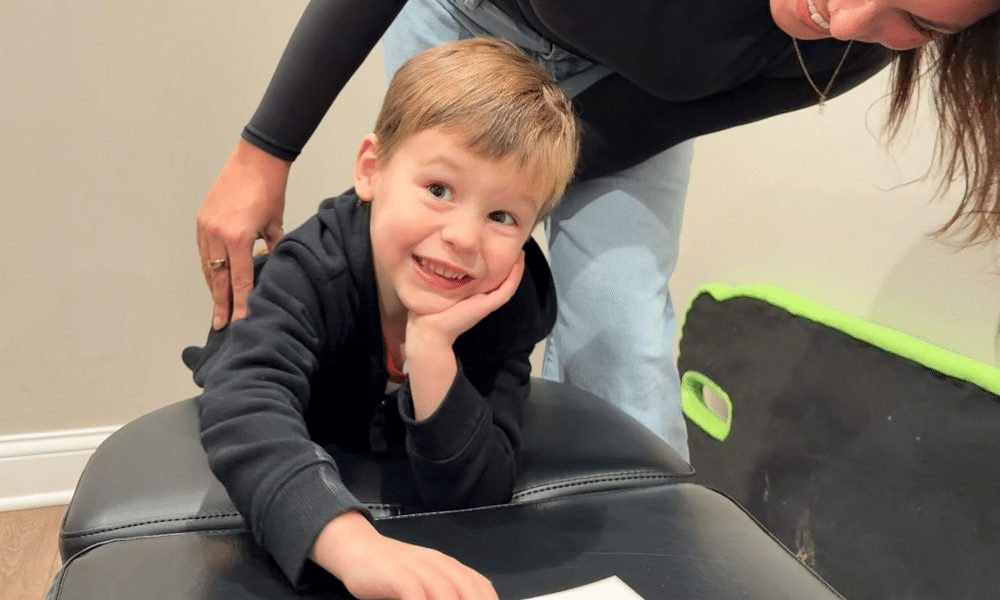
Using Koren Specific Technique (KST) and Talsky Tonal Chiropractic (TTC), our doctors then work with light, nervous system focused adjustments, no cracking, popping, or twisting, aimed at the upper cervical spine and brainstem region first, then any other patterns the scans and exam turn up. For families already working with a neurologist, this kind of care fits into that same team, part of a broader picture of what your child's nervous system needs rather than a separate path.
What Families Tell Us
Parents most often describe steadier sleep, an easier time settling after a long day, and a general sense that their child's nervous system has a bit more room to absorb an ordinary stressor without spiraling into something bigger. For families who have already been through a seizure, that steadiness alongside their child's neurology care is often what brings the most relief. For families who have not, it tends to feel like doing something proactive with a question that otherwise has no clear next step. Families also tell us it helps just to have somewhere to bring the question, rather than carrying it alone between well-child visits.
If any of this sounds like what you have been sitting with, quietly or otherwise, our doctors in Royal Oak would be glad to talk through what a closer look at your child's nervous system could involve. Learn more about our approach to seizure disorder support, or get our free guide on the nervous system side of this picture. When you are ready, book a consultation online, or call us at (248) 616-0900.