

Rethinking the Chemical Imbalance Idea Behind Depression
For decades, low mood was explained as a simple chemical shortage in the brain. The real picture is more layered, and understanding it opens up more options for support.
Depression is more than sadness. Millions of Americans live with this mood disorder, often carrying a persistent sense of hopelessness or helplessness that colors everything else, from work to relationships to simply getting out of bed some mornings. For many patients, it rarely travels alone either; our doctors regularly see depression showing up alongside anxiety, severe stress, or the aftereffects of trauma.
Chiropractic care offers patients a welcome alternative to relying only on prescription medication, which often comes with side effects of its own. At Van Every Family Chiropractic Center, our doctors approach depression the same way they approach any nervous system pattern: by looking closely at what the body is doing, not just what the mind is going through.
For most patients, depression is not a single symptom but a pattern that touches sleep, appetite, energy, and motivation all at once. Some describe a heaviness they cannot quite explain, others a numbness that makes even good days feel flat. It can arrive after a specific loss or build slowly with no clear starting point, and both versions are common in our office.
A lot of the tension connected to depression lives in the cranium, and balancing it there can quiet the whole nervous system.
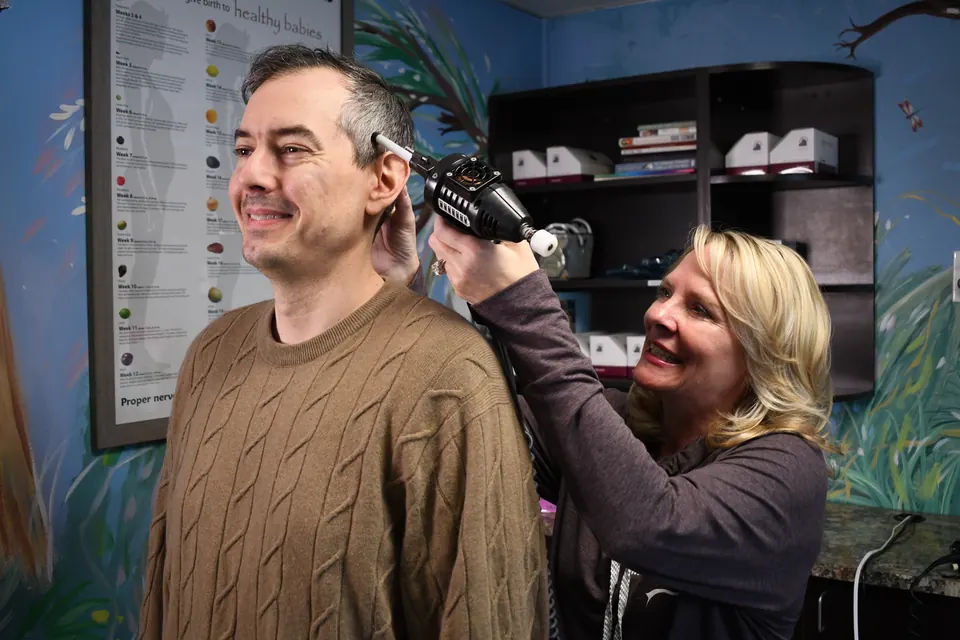
Our approach centers on restoring balance to the nervous system through the chiropractic adjustment, with particular attention to the upper cervical spine and cranium. The cranium sits directly over the brain, and our doctors find that a surprising amount of the tension connected to depression shows up there. Patients often describe the shift in simple terms: I do not know what it is, but I just feel better, I am not as sad.
Depression frequently keeps someone locked in a low grade fight or flight state, the nervous system bracing for something that already happened or has not happened yet. Gentle adjustments aimed at that pattern can help break the cycle and calm the nervous system down. Many patients find that weekly care, especially early on, makes the biggest difference.
We start by getting a full picture of what is going on, using INSiGHT scans to measure how your nervous system is functioning, alongside a conversation about your history and what you have already tried. Using Koren Specific Technique (KST) and Talsky Tonal Chiropractic (TTC), our doctors make light, nervous system focused corrections, no cracking, popping, or forceful manipulation, based on what the assessment shows.
When grief or a specific emotional weight is part of the picture, our doctors may also introduce essential oils into the adjustment, testing to find which oil supports the pattern we are addressing and applying it before making the correction. We also carry targeted supplements, including from Herbalogics, to support patients working through depression alongside their care.
Patients working through depression with our doctors often notice changes beyond mood alone. Sleep improves, appetite steadies, and the energy to be active again starts to come back. The goal is not just fewer sad days, it is a nervous system that can settle into a calmer baseline on its own.
We Can Help If you have been struggling with depression, our doctors in Royal Oak want to help you feel better emotionally, eat better, sleep better, and be more active.
Book OnlineOur approach centers on restoring balance to the nervous system through the adjustment, with particular attention to the upper cervical spine and cranium. The cranium sits directly over the brain, and a lot of the tension connected to depression shows up there. Using Koren Specific Technique (KST) and Talsky Tonal Chiropractic (TTC), our doctors make light, nervous system focused corrections aimed at breaking the fight or flight cycle that often underlies low mood.
Yes, when it fits the patient. When grief or a specific emotional weight is part of the picture, our doctors may test to find which essential oil supports that pattern and apply it before the adjustment. We also carry targeted supplements, including from Herbalogics, for patients who want extra support alongside their care.
It depends on the person, but many patients find that weekly adjustments, especially in the early weeks of care, make the biggest difference. Our doctors will talk through a plan that fits your situation after your first visit and adjust it as your nervous system responds.
No, it is a different angle on the same problem. Depression usually has both a mental and a physical side, and this care addresses the physical, nervous system side. Many patients use it alongside therapy, medication, or other support they already have in place.
That is common, and our doctors see it often. Depression, anxiety, severe stress, and the aftereffects of trauma tend to travel together because they share the same nervous system pathways. Addressing the underlying pattern can bring relief across all of them at once.
For decades, low mood was explained as a simple chemical shortage in the brain. The real picture is more layered, and understanding it opens up more options for support.
You have tried the probiotics and the elimination diet, and your mood still will not lift. The missing piece is often the nerve that connects your gut to your brain in the first place.
Stimulant medication can bring real relief for focus and impulse control, and it can also bring mood changes parents didn't expect. Here's what's going on underneath, and where the nervous system fits.
Our doctors put together a full article on depression that explains what's really behind it and what lasting relief looks like. Get instant access below.
