
The first seizure is the kind of moment a parent never forgets. The stiffening, the jerking, the eyes rolling back, the seconds that feel like hours before it passes. Once the diagnosis of epilepsy is actually said out loud, one question tends to follow every parent home: will my child outgrow this.
What Outgrowing Epilepsy Can Actually Look Like
Epilepsy affects more than 450,000 children in the United States, and roughly one in one hundred people will develop it by age twenty. Some childhood epilepsy syndromes, including Childhood Absence Epilepsy, are well known for settling down as the nervous system matures, with seizures becoming less frequent or stopping altogether over the years. Others are a longer road. The specific type and age of onset both shape what that path tends to look like, which is part of why identifying the exact syndrome matters so much for a family trying to understand what is ahead.
What Actually Drives the Pattern
A seizure is a sudden burst of uncontrolled electrical activity in the brain. Underneath that activity, many children with epilepsy also show signs of a nervous system stuck in sympathetic dominance, the fight or flight state running hotter than it should. The vagus nerve normally plays a calming role, helping keep the brain's excitability in check. When tension in the upper neck and brainstem region, often tracing back to a stressful pregnancy, a hard delivery, or an early illness, interferes with that signal, it can leave a nervous system with less capacity to settle itself back down.
What a New or Worsening Seizure Means
One thing is worth saying plainly. A seizure that is new, longer than usual, or clearly different from what your child typically experiences is never something to wait out or write off as a phase. That kind of change calls for prompt medical attention right away, every time, no exceptions. Watching closely and knowing your child's baseline pattern is part of caring for a child with epilepsy, and anything outside that baseline deserves an immediate call to their care team.
Where Nervous System Care Fits
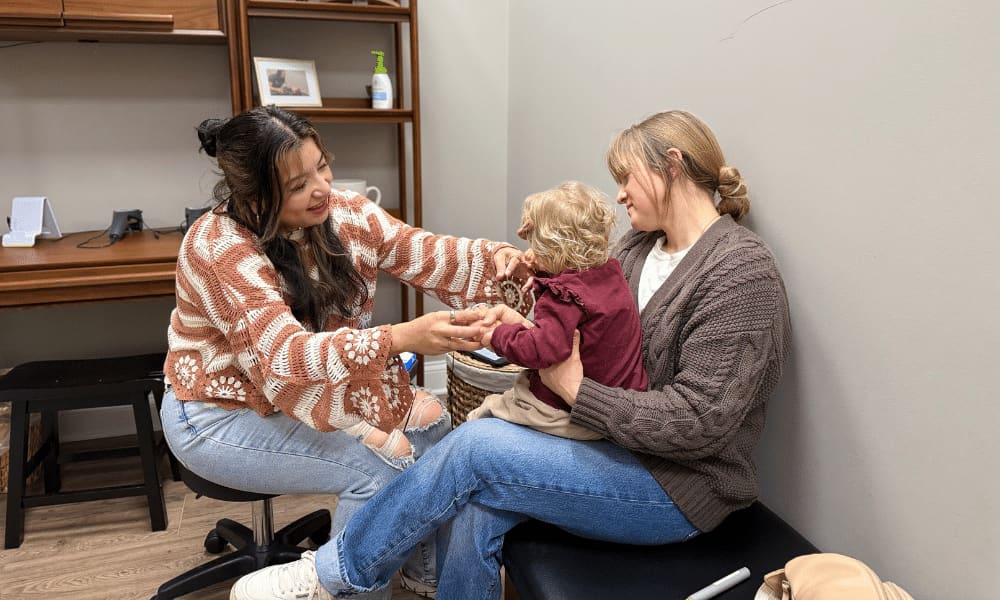
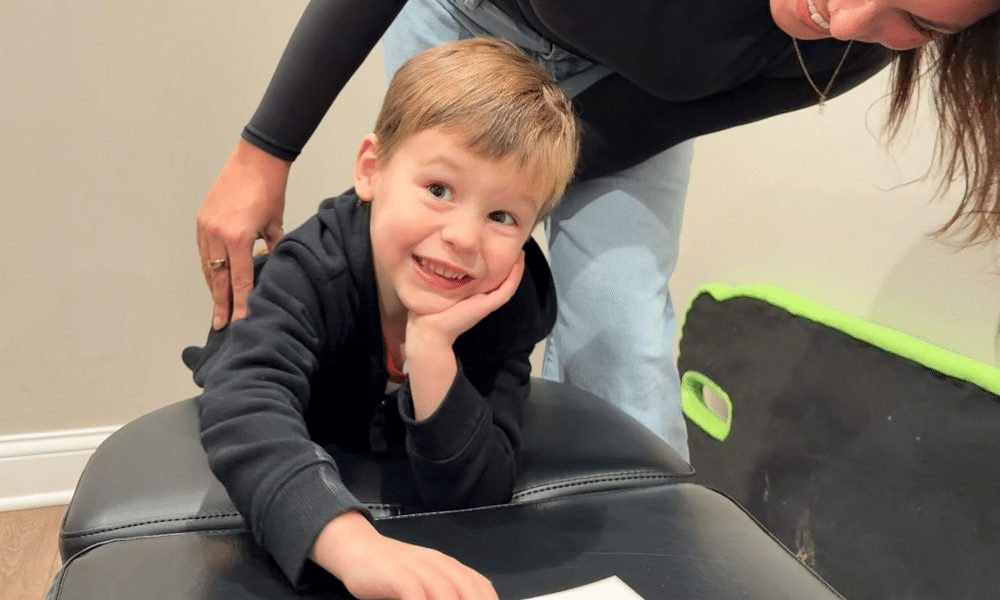
Our doctors work with families of children with seizure disorders by looking at what is happening in the nervous system itself, not just the seizure activity on its own. That starts with a full history and INSiGHT scanning, thermal, heart rate variability, and surface EMG, to see where sympathetic stress is concentrated along the spine. Using Koren Specific Technique and Talsky Tonal Chiropractic, our doctors then work with light, nervous system focused adjustments at the upper cervical spine, aimed at reducing that stress and giving the vagus nerve more room to do its calming job. Every child's plan is built around their own scans and history, and we track that data over time to see how the nervous system is responding.
Supporting a Growing Nervous System
Alongside care in the office, a few everyday habits tend to support a child's nervous system as it develops:
- Protecting consistent, adequate sleep, since a tired nervous system has less reserve to draw on
- Reducing unnecessary sensory overload during a stretch when the nervous system is already working hard
- Keeping a simple log of seizure timing, triggers, and duration to bring to every visit
- Building in calm, predictable routines, since predictability itself is settling for a stressed nervous system
What Shapes a Family's Outlook
Every family wants a single, confident answer to the outgrowing question, and the honest reality is that it depends on several specific factors working together. The age when seizures started matters, since some syndromes are closely tied to a developmental window that naturally closes. The specific type of seizure and how well it responds to the current care plan both factor in, along with whether there is a clear structural or genetic cause versus one that remains unexplained. A detailed EEG pattern and imaging, when available, give the clearest picture of which category a child's epilepsy falls into.
None of this makes the day to day easier while you are living inside the uncertainty. Keeping a detailed record, seizure length, what preceded it, how your child recovered afterward, gives your neurology team the clearest possible picture over time, and it also gives your family something concrete to hold onto between appointments instead of just waiting.
Living With Uncertainty in the Meantime
Not knowing the long term answer while still managing daily medication schedules, school accommodations, and the ordinary worry of parenting a child with a seizure disorder is genuinely hard, and it is fair to feel both hopeful and exhausted at the same time. Many families find it helps to focus on what can actually be tracked and supported right now, sleep quality, stress load, and nervous system function, rather than spending all of their energy on a timeline nobody can promise. Small, steady support for the nervous system alongside the current medical plan is something a family can act on today, regardless of what the eventual long term picture turns out to be.
Talking About It With Your Child
As kids get older, the outgrowing question stops being just a parent question and becomes one your child asks directly. Age appropriate honesty tends to serve families better than either false certainty or unnecessary fear. A school aged child can usually handle knowing that some kids' seizures do settle down over time and others need ongoing support, and that either way their family and their care team are paying close attention and adjusting the plan as they grow.
Where to Go From Here
An epilepsy diagnosis is frightening, and the question of what comes next deserves real answers, not just reassurance. If you would like a closer look at what is going on in your child's nervous system, our doctors in Royal Oak are glad to help. Read our free guide on the nervous system side of seizure disorders, schedule a consultation online, or call us at (248) 616-0900.