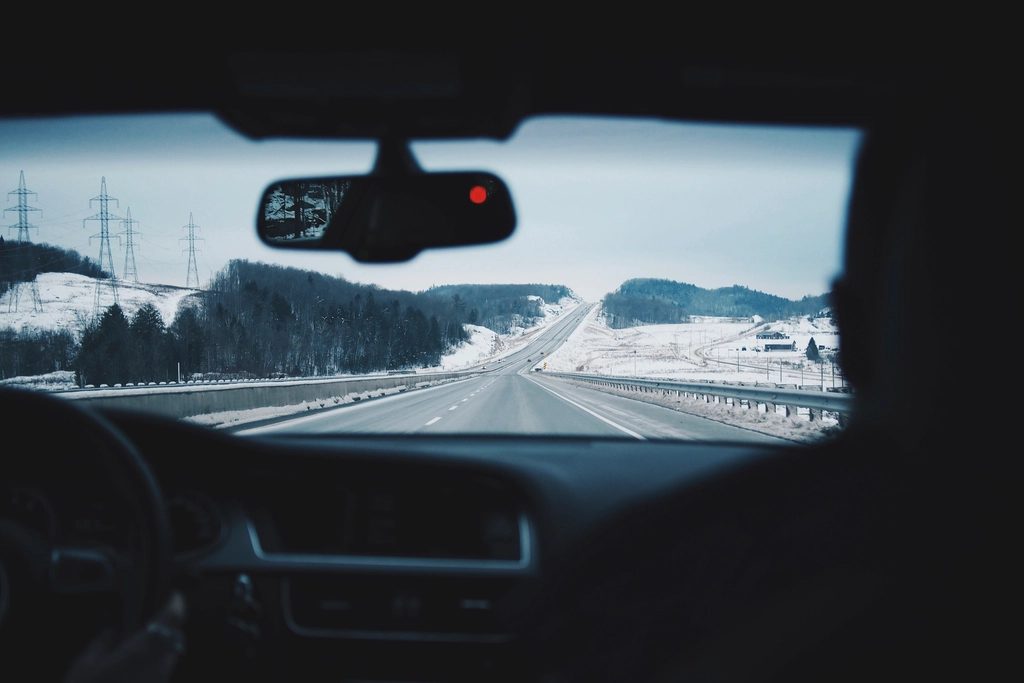
Holiday travel has a particular shape to it, one that repeats every year yet somehow still catches families off guard by the time it arrives. A car packed the night before, hours on the highway or crammed into airport seating, a schedule that runs later than usual, and then several nights sleeping in an unfamiliar bed before turning around and doing it again in reverse. It is a lot to ask of anyone's body, and it asks something specific of a nervous system that runs on routine: long stretches of stillness followed by disrupted sleep, irregular meals, and a change in environment that does not let the body fully settle before the next demand shows up.
None of that has to derail the trip. Understanding what is actually happening in the body during holiday travel makes it easier to protect against the parts that tend to leave everyone sore, cranky, or wiped out by the time you arrive, whether that trip is a two hour drive to see grandparents or a full day of flights and layovers.
What Long Stretches of Sitting Do to the Body
Hours in a car seat or an airplane seat put sustained, unchanging pressure on the low back and neck in a way that ordinary daily activity rarely does. The spine is built to move, and long periods without much movement at all tend to leave muscles tight and joints stiff by the time you finally stand up and stretch at a rest stop or baggage claim. Kids feel this too, even if they describe it differently than an adult would, showing up as restlessness, complaints of feeling uncomfortable, or a shorter fuse than usual by hour four of a long drive.
Posture during travel compounds the problem. Slumping in a car seat, craning forward to see a screen, or sleeping at an awkward angle against a window all add strain on top of the stillness itself, which is part of why so many families arrive at a destination with a stiff neck or an aching low back before the trip has even really started.
Why Sleeping Away From Home Matters More Than It Seems
An unfamiliar mattress, a different pillow, a room that is not quite the right temperature, and a schedule that runs later than usual all interrupt the kind of consistent sleep a nervous system relies on to fully settle each night. This matters for adults, but it often shows up more visibly in kids, whose sleep is already more sensitive to disruption. A child who is sleeping poorly during a trip often becomes more reactive, more easily overwhelmed by a busy schedule of relatives and activities, and generally less like themselves, which parents sometimes attribute to excitement or sugar rather than simple accumulated nervous system fatigue.
Why the Whole Family Benefits From a Check-In Around Travel
A nervous system check adds something that packing lists and travel routines do not cover: how well your family's brains and bodies are actually communicating heading into a demanding stretch, and how well they are holding up on the other side of it. Using Koren Specific Technique (KST) and Talsky Tonal Chiropractic (TTC), light, nervous system focused contacts with no cracking or twisting, the same visit is comfortable for a toddler, a teenager, and a grandparent, whether the goal is preparing a body for a long trip or helping it settle back down once you are home.
Our doctors use precise nervous system assessment, including INSiGHT scans that measure thermal, HRV, and sEMG readings, to see what is actually happening rather than relying on how everyone says they feel after a long travel day. Care plans account for each family member's age and history, so a visit before or after a trip fits the person in front of us rather than treating the whole family the same way.
What Families Often Notice After a Trip Like This
Kids who settle back into their normal sleep and routines more quickly once you are home, rather than staying off kilter for a week after everyone returns to school and work. Parents feeling more resilient through the busy stretch itself, especially once everyone in the house has had a chance to be checked. Better posture and comfort for anyone who spent long hours in a car seat or airplane seat, and less of the lingering stiffness that used to seem like an unavoidable part of holiday travel.
Practical Things That Help During the Trip Itself
- Build in real stops during long drives, enough to actually walk around for a few minutes, not just switch drivers.
- Bring a familiar pillow or blanket from home for kids, since a small piece of the usual routine can ease the disruption of an unfamiliar bed.
- Keep bedtime as close to normal as the trip allows, even a late night here or there adds up over several days away.
- Pack simple, familiar snacks for the car or plane rather than relying entirely on what is available along the way.
- Give everyone, adults included, permission to have a quieter, lower key day once you arrive, rather than diving straight into a packed schedule.
Where to Go From Here
Whether you are preparing for a long trip or trying to help your family settle back into routine once you are home, it is worth understanding how travel affects the whole household's nervous system, not just sore muscles from the car ride. You can read more about our family wellness approach, or learn more about how long car rides connect to back and neck strain. When you are ready, book online with our doctors in Royal Oak, or call us at (248) 616-0900.