
You have been watching your teen closely, trying to figure out exactly what is going on. Some days it looks like worry, a racing mind, restlessness, trouble sleeping. Other days it looks more like flatness, withdrawal, a loss of interest in things they used to care about. The truth is these two patterns overlap in teens more often than they show up separately, and figuring out which one you are actually dealing with, or whether it is both, can be genuinely hard from the outside.
Why the Numbers Are So High Right Now
Recent survey data shows a large and growing share of American teens describing ongoing sadness or hopelessness, and mental health struggles among youth have climbed sharply over the past decade. Girls are affected at notably higher rates than boys for both anxiety and depression, and rates of both conditions rise again in the older teen years compared to early adolescence. These are not small numbers tucked into a corner of the population. They describe a meaningful share of any given classroom.
How to Tell Them Apart, Loosely
Anxiety in teens tends to show up as excessive, hard to control worry that goes beyond typical adolescent concerns, along with a racing heart, changes in breathing, sleep trouble, and difficulty concentrating. Depression tends to show up as persistent sadness, hopelessness, or a loss of interest in things a teen used to value, lasting more than two weeks at a stretch. In practice, these two patterns overlap constantly. A teen who feels hopeless about the future often also worries intensely about it. A teen with chronic anxiety often eventually withdraws and loses interest in things as the exhaustion of constant worry builds. Trying to sort your teen neatly into one category or the other is often less useful than paying attention to the underlying pattern driving both.
What That Underlying Pattern Often Is
Both anxiety and depression in teens frequently trace back to an autonomic nervous system stuck out of balance: a sympathetic, fight or flight system that stays chronically overactivated, paired with an underactive parasympathetic system that should be handling rest, digestion, and emotional regulation. Lower vagal tone specifically has been linked to more difficulty managing emotions and heightened sensitivity to stress. This nervous system lens helps explain why anxiety and depression show up together so often. They are not two unrelated conditions colliding by coincidence. They are two different expressions of the same underlying dysregulation.
Warning Signs Worth Taking Seriously
- Sadness or hopelessness lasting two weeks or longer
- Excessive, persistent worry about everyday situations
- Irritability that feels out of proportion to what triggered it
- Noticeable withdrawal from friends, family, or activities they used to enjoy
- Changes in sleep or appetite that do not have another clear explanation
- Academic decline or a sudden drop in participation
Any mention of death, self-harm, or giving away possessions deserves immediate attention from a medical or mental health professional, not a wait and see approach.
Why Labels Matter Less Than You Might Think
Parents sometimes hold off on getting help while they try to sort out the exact right label, worried that acting on the wrong diagnosis wastes everyone's time. In practice, a teen whose nervous system is dysregulated benefits from the same kind of support whether the clinical label ends up being anxiety, depression, or both together. What matters more than the precise category is getting your teen connected to people who take the pattern seriously, whether that is a therapist, a pediatrician, or a nervous system focused practice like ours. A formal diagnosis can be genuinely useful for accessing certain school accommodations or specific supports, and it is worth pursuing through the right channels. It should not be the gate that determines whether a struggling teen gets support in the meantime.
How Our Doctors Support Teens With This Pattern
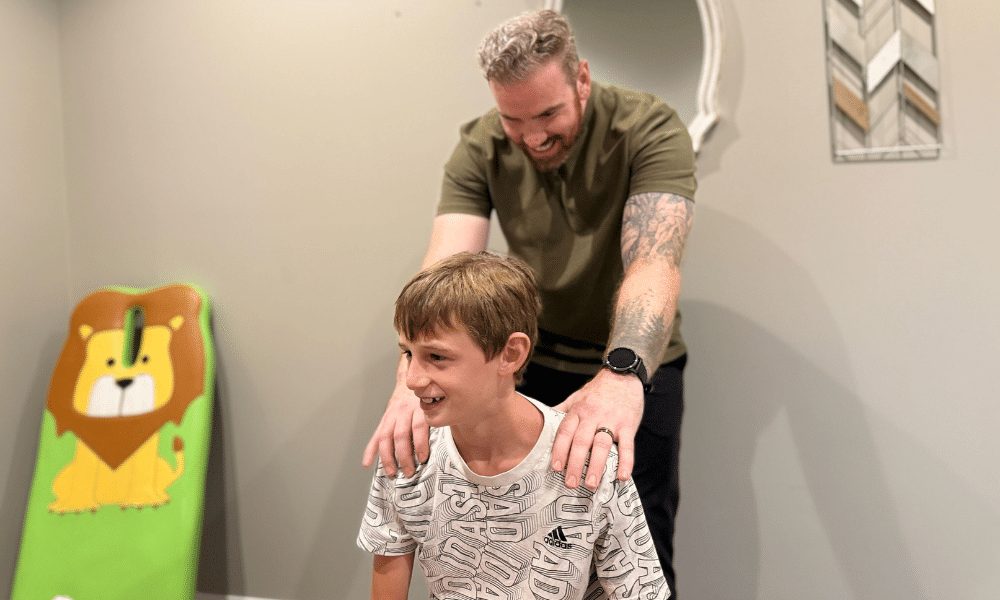
We start by listening closely to your teen's story, including sleep, gut health, screen habits, and anything from earlier childhood that stands out. From there, a gentle exam and INSiGHT neurological scanning, including heart rate variability testing, give us real information about how their nervous system is currently regulating stress. Using Koren Specific Technique (KST) and Talsky Tonal Chiropractic (TTC), our doctors deliver light, nervous system focused adjustments aimed at easing sympathetic overactivation and supporting the parasympathetic side of the equation. This kind of care is meant to work alongside therapy and other supports your teen may already have in place, not instead of them, and it often gives a teen's nervous system more capacity to actually use the coping skills they are learning elsewhere.
What Helps at Home
Consistent sleep schedules and device-free time before bed, daily movement, whole foods with attention to protein and reduced sugar, and real in-person connection all support a teen's nervous system alongside professional care. Adolescence brings a lot of brain change happening at once, which can work in your teen's favor once their nervous system has a steadier foundation to build from.
Where to Go From Here
If you are trying to sort out whether your teen is dealing with anxiety, depression, or both, it may help to look at the nervous system pattern underneath either label. Learn more about how we support teen exhaustion and low mood, and about related support for anxiety in children. Our doctors in Royal Oak are glad to talk through what you are seeing. Book a consultation online, or call us at (248) 616-0900.