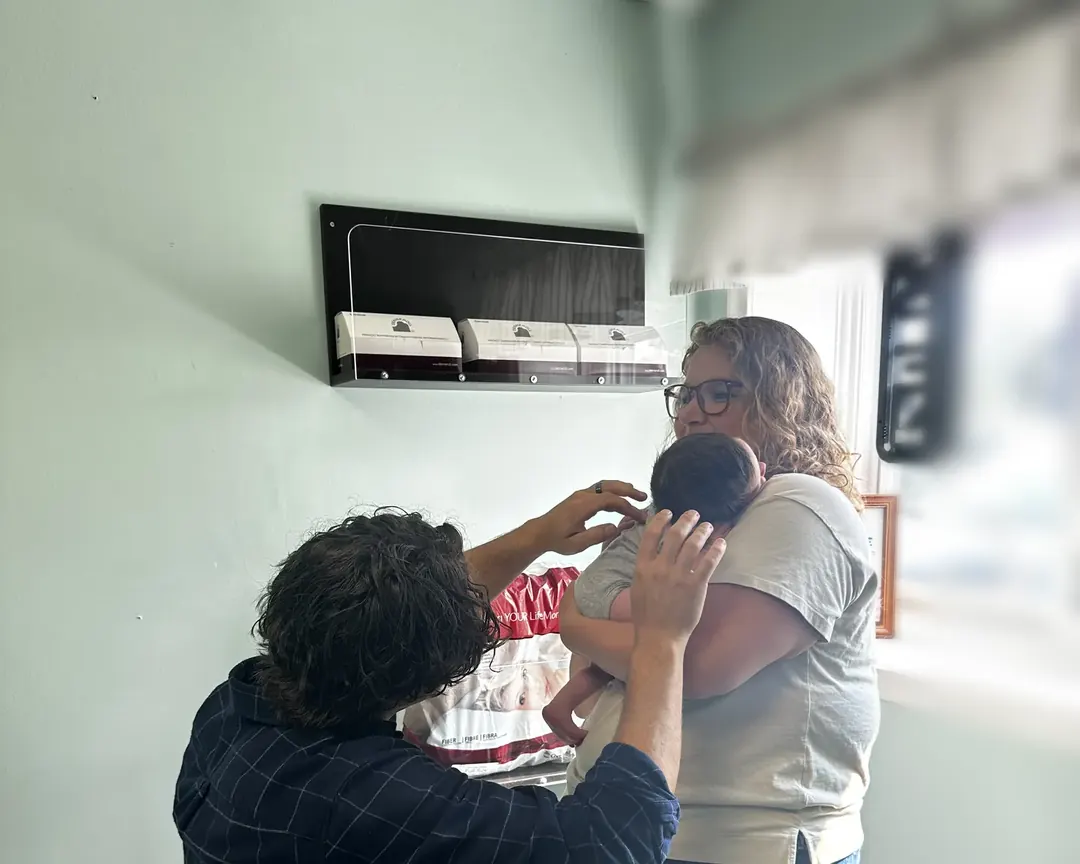
Dr. Zach Conner gently checking a newborn resting on mom's shoulder
Pregnancy & Women

The Webster Technique

Sacral Analysis & Pelvic Balance for Pregnancy

Book Online

The Webster Technique is a specific chiropractic sacral analysis and adjustment. Webster certified care is available at Van Every Family Chiropractic Center through the International Chiropractic Pediatric Association (ICPA), and our doctors use that pelvic analysis to support the mother's changing body throughout every trimester.

As defined by the ICPA: "The Webster Technique is a specific chiropractic sacral analysis and diversified adjustment. The goal of the adjustment is to reduce the effects of sacral subluxation and/or SI joint dysfunction. In so doing, neurobiomechanical function in the sacral/pelvic region is improved."

In practice, that means balancing the pelvis, easing tension through the round and uterine ligaments, and giving your baby more room to settle into a good position on their own. As chiropractors, our doctors care for the mother, not the baby directly, so any change in position is a natural result of your body functioning better, not something done to the baby. Using Koren Specific Technique (KST) and Talsky Tonal Chiropractic (TTC), the adjustment itself is gentle, nervous system focused, and requires no lying face-down.

Why Mothers Seek Webster Care

Back pain during pregnancy is common enough to expect, but the sacroiliac discomfort, hip pain, and general aches that come with it are not something you have to just wait out. As the belly grows and the center of gravity shifts, hip and low back pain often intensify, especially into the third trimester, and can make daily activities and a good night's sleep harder to come by.

Some mothers come in specifically for pelvic balance and nervous system support, wanting proactive care as their body changes rather than waiting for pain to start.

A pelvis that moves the way it is meant to gives your baby room to do the same, which is the whole idea behind Webster care.

What's Happening in the Pelvis

During pregnancy, your body naturally develops a degree of asymmetry in the tension of the pelvic muscles and ligaments as it adapts to support your growing baby. The hormone relaxin loosens the ligaments that stabilize the pelvis and sacroiliac joints, and as your posture shifts to carry the extra weight, one side often ends up carrying more tension than the other.

That imbalance can restrict the normal movement of the sacrum, the triangular bone at the base of your spine, and irritate the surrounding nerves, which is what shows up as the low back, hip, and pelvic pain many mothers describe. Sacral analysis is how our doctors find exactly where that imbalance sits.

How the Adjustment Works

Doctor performing a gentle spinal adjustment

Our doctors evaluate the position and movement of your sacrum along with your pelvis and the surrounding muscles and ligaments, to identify exactly where the imbalance sits. You are positioned safely and comfortably, using pregnancy pillows or specialized tables built for a growing belly.

A gentle, specific adjustment addresses the sacral subluxation, followed by light, specific engagement of the associated pelvic ligaments, including the round ligament, using Koren Specific Technique (KST) and Talsky Tonal Chiropractic (TTC). INSiGHT scans, thermal, heart rate variability, and sEMG, round out the picture of how your nervous system is functioning before and after care.

What Changes

A balanced pelvis and eased ligament tension give your baby room to move and settle, and they support your body's ability to open and progress through labor when the time comes. Many mothers also notice relief from low back and hip pain, better sleep, and the confidence to stay active right up to delivery.

For a broader look at how our practice pairs Webster analysis with nervous system care, see our Webster Technique differentiator guide.

Care Throughout Pregnancy

There is no wrong time to start. Some mothers begin early to maintain pelvic balance from the outset, others start later once symptoms appear, and the technique is beneficial in every trimester. Whenever you start, care is built around where your body is right now.

Frequency is based on your individual needs and response to care. Curious what your first visit looks like from check-in to adjustment? Read our first visit guide.

Take the First Step Webster care works best over time, not just when pain shows up. Come talk with our doctors in Royal Oak.

Book Online

Common questions

  • The Webster Technique is a specific chiropractic sacral analysis and adjustment used to assess and address pelvic balance during pregnancy. Webster certified care is available at Van Every Family Chiropractic Center through the International Chiropractic Pediatric Association (ICPA), and our doctors use Koren Specific Technique (KST) and Talsky Tonal Chiropractic (TTC) to gently address sacral subluxation and the pelvic ligaments, including the round ligament.

  • Our care is focused on the mother, not on directly turning or repositioning your baby. Our doctors work to balance your pelvis and ease tension through the surrounding ligaments and nervous system. When your body is functioning well, it is better able to support labor and the natural process of your baby settling into position, but any change in position happens because your body is working the way it is designed to, not because of anything done directly to the baby.

  • There is no wrong time to start. The technique is beneficial in every trimester. Some mothers begin early to maintain pelvic balance from the outset, while others start later once discomfort shows up. Whenever you start, care is built around where your body is right now.

  • Yes. The adjustment is gentle and specific, using light, nervous system focused contacts with no cracking or twisting. You are positioned safely and comfortably throughout, using pregnancy pillows or specialized tables built for a growing belly.

  • Absolutely. We believe in collaborative care and are happy to work alongside your obstetrician, midwife, doula, and other members of your birth team. Communication about your care is always welcome.

  • Frequency of care is determined after a detailed history, consultation, and a look at your INSiGHT scan results, thermal, heart rate variability, and sEMG. Some mothers benefit from weekly visits, while others need less depending on their symptoms and stage of pregnancy. Our doctors will recommend a plan based on your individual situation and how your nervous system responds.

Free article

“What the Webster Technique Actually Does”

Our doctors put together a full article on the webster technique that explains what's really behind it and what lasting relief looks like. Get instant access below.