
The cough finally clears, your child goes back to daycare, and within a week they are running a fever again. It feels like a revolving door, one illness handing off to the next with barely a break in between. You have tried the usual over the counter remedies, followed every pediatrician recommendation, and maybe gone through a round or two of antibiotics. The cycle keeps repeating anyway. If this sounds familiar, it is worth stepping back and asking a different question. Instead of focusing only on this particular cold, what would it take to help your child's body handle the next one better on its own.
Why Shutting Down Every Symptom Can Backfire
When a child gets sick, the instinct is to make the symptoms stop as quickly as possible. That makes sense in the moment, but constantly suppressing every fever, every cough, and every runny nose without ever supporting the system underneath can leave a child's body less practiced at handling the next illness that comes along. Medication has its place, especially for real discomfort or a bacterial infection that needs it. The goal is not to avoid every tool available. It is to also build the body's own capacity to respond, rather than relying on suppression alone every single time.
The Nervous System Runs the Immune Response
The autonomic nervous system, working through its sympathetic and parasympathetic branches, plays a direct role in how well a child's immune system functions. The sympathetic branch, the gas pedal, ramps the body up during stress and tends to suppress immune activity while it is engaged. The parasympathetic branch, the brake pedal, supports rest, digestion, and the kind of repair work the immune system needs to do its job well. A child whose nervous system spends more time with the gas pedal down than it should, whether from ongoing stress, poor sleep, or tension held in the spine, tends to have a harder time mounting an effective immune response and bouncing back quickly.
Tension in the neck and upper back can add to that load. When stress accumulates in this area, it can contribute to inflammation and congestion that make it harder for a child's system to clear illness efficiently, on top of whatever virus or bacteria is actually going around.
Where That Tension Often Comes From
For many kids, some of this pattern traces back to the physical demands of birth itself. Interventions like a C-section, vacuum or forceps delivery, induction, or a long labor place real strain on a newborn's upper neck and the nerves running through it, including the vagus nerve, which plays a significant role in immune regulation. Newborns who dealt with severe colic, reflux, constipation, or trouble sleeping sometimes carried nervous system tension from that early period forward without anyone connecting the dots. From there, everyday childhood stress, poor sleep, and the seasonal shift into cold and flu season can add further strain on a system that is already working hard to keep up.
How We Approach It
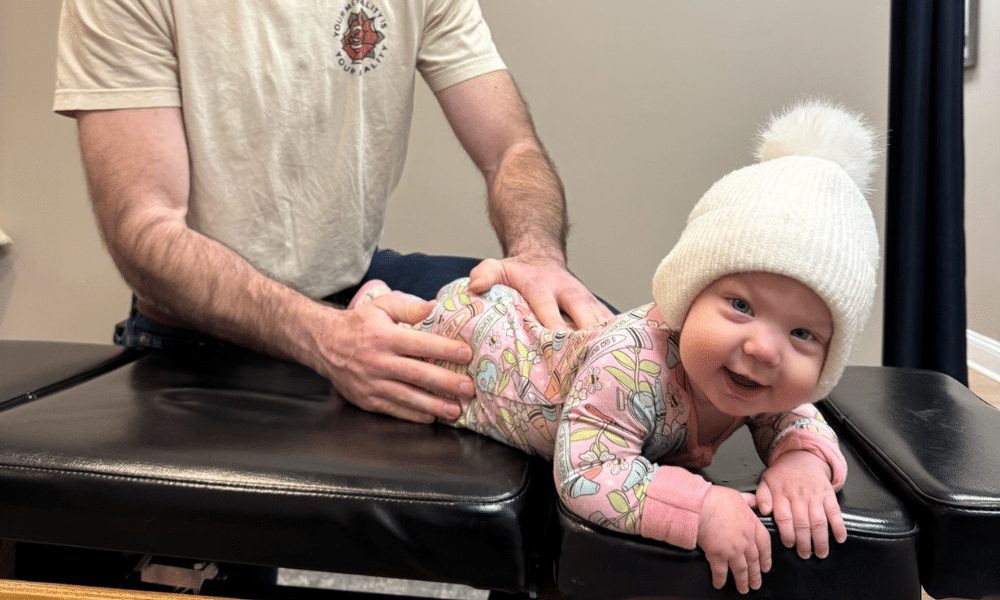
We start by hearing about your child's pattern of illness, their birth history, and anything else going on, like sleep or digestion. From there, a gentle exam and INSiGHT neurological scanning, which measures heart rate variability, muscle tension, and thermal patterns along the spine, gives us real information about how your child's nervous system is functioning. Using Koren Specific Technique and Talsky Tonal Chiropractic, our doctors use light, nervous system focused contacts to ease tension that may be interfering with healthy immune regulation. There is no cracking or forceful movement involved, and care is customized to your child rather than following a one size fits all plan.
Building Resilience Instead of Just Managing Symptoms
- Prioritize rest and reduce extra activities while your child is actively sick
- Keep meals simple, hydrating, and nutrient dense during illness
- Support movement and outdoor time on the days your child feels up to it
- Keep sleep consistent, since sleep is when a lot of immune repair happens
- Talk with your pediatrician about which situations genuinely call for medication and which may resolve with support alone
What Families Often Notice
Parents working with our doctors on this pattern often report fewer illnesses overall, shorter and milder episodes when one does happen, and a child who bounces back faster than before. Some notice a shift within the first several visits, while for others it builds more gradually as the nervous system settles into a steadier pattern. Every child's timeline looks a little different, and our doctors track how your child is responding so care can adjust as needed.
Why the Season Matters Less Than the Pattern
It is easy to chalk up a run of illness to a rough season, a new classroom full of new germs, or an especially tough year for whatever virus is going around. Sometimes that really is most of the story. But when the pattern repeats year after year, when your child is consistently the one who gets hit hardest and takes longest to recover no matter what is circulating, that repetition itself is useful information. It suggests the difference has less to do with which bug is going around and more to do with how ready your child's system is to meet it. That is the piece worth addressing directly rather than waiting out one more rough season and hoping the next one looks different.
Where to Go From Here
If your child seems to catch everything that comes through daycare or school, it may be worth looking at what is happening underneath each individual illness. You can read more about how we support kids who get sick often, including how it connects to broader immune system support. When you are ready, you can book a consultation with our doctors in Royal Oak, or call us at (248) 616-0900 to talk through what you are seeing.