
It usually starts the same way. Your child seemed fine at bedtime, maybe a little sniffly, and then somewhere around midnight you hear it: a loud, harsh cough that sounds almost like a seal barking. Their breathing might be noisy too, a high pitched sound on the inhale that makes your stomach drop. If you have been through it before, you recognize it instantly. If this is your first time, it can be terrifying.
Croup is common, and in most cases it is manageable at home, but knowing what is actually happening in your child's airway, and knowing the signs that mean it is time to get help, makes the whole experience a lot less frightening.
What Croup Actually Is
Croup is inflammation and swelling in the upper airway, mainly the voice box and windpipe. That swelling is what produces the barking cough and, in some cases, a high pitched squeaking sound called stridor when your child breathes in. Croup shows up most often in children between six months and three years old, with the biggest wave usually around age two, and it tends to fade after age five as the airway widens with growth.
There are a few patterns worth knowing. Viral croup usually starts like an ordinary cold and then progresses into the barking cough, sometimes with a mild fever. Spasmodic croup tends to come on suddenly at night with no fever at all, and may be linked to allergies or reflux. When the airway swelling is significant enough to cause that high pitched stridor sound, it is worth paying closer attention, since that can signal more serious breathing difficulty.
Why It Always Seems to Hit at Night
Parents often notice croup gets dramatically worse after dark, and there is a real reason for that. Lying flat can allow more fluid to pool around the airway, cooler night air can trigger airway spasm, and a child's cortisol, which naturally has an anti-inflammatory effect, is at its lowest overnight. Crying and agitation make the cough worse too, which creates a frustrating cycle since a scared, coughing child cries harder, which tightens the airway further.
Most viral croup improves within three to five days. The most common causes are ordinary respiratory viruses, including parainfluenza and RSV, which spread easily through droplets and surfaces, especially in daycare and preschool settings where little immune systems are still building their defenses.
Comfort Steps That Actually Help
When the barking cough hits, staying calm yourself is the first and most useful thing you can do, since a child's breathing often gets worse when they sense a parent's fear. From there, a few steps tend to help most:
- Cool or moist air. A cool mist humidifier in the bedroom, or a few minutes of steam from a hot shower with the bathroom door closed, can ease airway swelling. Some parents find that stepping outside into cool night air for a few minutes works just as well.
- Keep your child upright. Sitting up, rather than lying flat, makes breathing easier and can shorten a coughing spell.
- Offer small sips. Water, diluted juice, or a popsicle can soothe an irritated throat and keep your child hydrated without overwhelming them.
- Stay close and keep things calm. Reading a story, dimming the lights, and keeping your own voice steady all help bring your child's breathing back down.
Most episodes settle within twenty to thirty minutes once your child calms down and the air cools or moistens.
When to Get Help Right Away
Most croup can be ridden out at home, but certain signs mean it is time for urgent or emergency evaluation. Call your pediatrician or seek emergency care if your child has stridor while resting quietly, not just when upset, is struggling to breathe or cannot speak in full sentences, develops a bluish tint around the lips or mouth, becomes unusually agitated or unusually drowsy, shows signs of dehydration like a dry mouth or noticeably fewer wet diapers, or runs a fever above 102 degrees Fahrenheit that lasts more than a few days. If you are ever unsure, trust your instincts and have your child seen. Keeping your pediatrician in the loop throughout a croup episode is always the right call, and our doctors are glad to work alongside whatever plan they set.
Why Some Kids Seem to Get Croup Again and Again
If your child has weathered more than one round of croup, you have probably wondered why. A few things tend to line up in kids who catch it repeatedly: smaller airways to begin with, a history of prematurity or respiratory struggles at birth, and an immune and nervous system still learning to regulate a coordinated response to viruses. The nervous system plays a bigger role here than most parents realize. It governs immune signaling, airway muscle tone, and the vagus nerve's calming, regulating influence on breathing. When that system is carrying extra tension, especially through the neck and upper spine, it can be slower to settle inflammation and calm an irritated airway.
How Our Doctors Support Kids Recovering from Croup
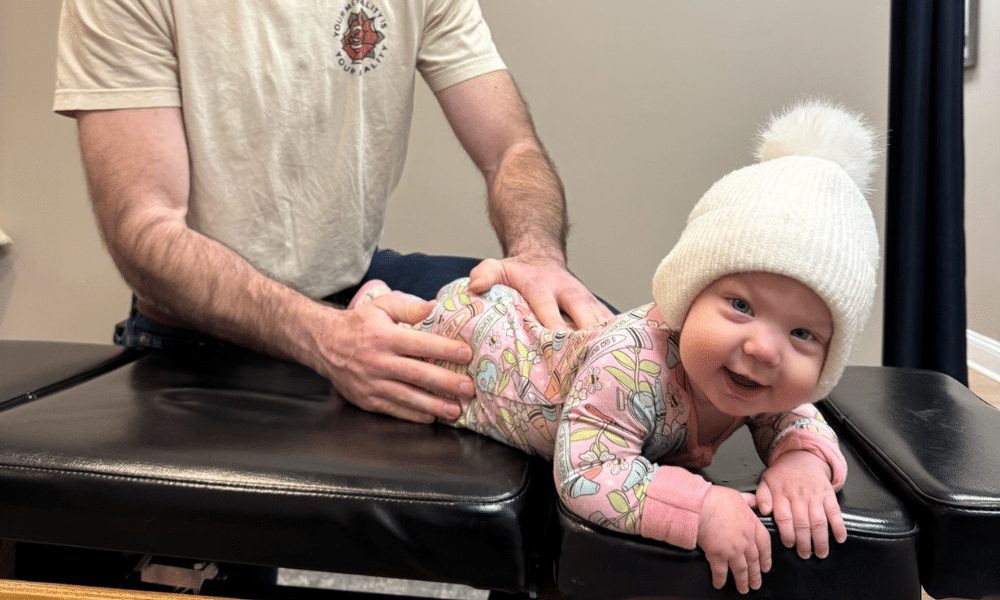
We are not here to diagnose or treat croup itself, that stays with your pediatrician. What our doctors focus on is supporting your child's nervous system so their body has an easier time regulating the immune and airway response on its own. Using INSiGHT scanning, we look at thermal patterns, heart rate variability, and muscle tension along the spine to see where stress is being held. From there, our doctors use gentle, nervous system focused adjustments with Koren Specific Technique and Talsky Tonal Chiropractic, light contacts with no cracking, popping, or twisting, to help ease tension around the neck and upper back that can affect breathing and vagal tone.
Many parents tell us their child sleeps better, breathes easier, and bounces back faster after a round of illness once their nervous system has some extra support, and that fewer colds seem to escalate into that familiar barking cough over time. Every child is different, and we track your child's response visit to visit so care fits what their body actually needs.
Where to Go From Here
You can read more about how our office supports kids who keep getting sick and what a nervous system focused approach to recurring illness looks like. If you would like our doctors to take a look at your child's history and current patterns, you can book a consultation online or call us at (248) 616-0900 with any questions before your first visit.