
You've done the occupational therapy. The speech sessions. Maybe you adjusted your child's diet, tried melatonin for sleep, invested in noise-canceling headphones and a weighted blanket. Some of it helped, at least for a while. None of it addressed everything you see in your child every single day, the meltdown that comes out of nowhere, the gut that never quite settles, the nights that never turn into real rest.
That's an exhausting place to be, and we want to say plainly: your child isn't broken, and you haven't run out of options. What we notice clinically is that autism often shows up across your child's whole body, sensory overwhelm, gut issues, sleep that won't regulate, immune patterns that seem harder to shake than they should be. Those aren't separate problems stacked on top of each other. They tend to be different expressions of one nervous system carrying a heavy load.
At Van Every Family Chiropractic Center in Royal Oak, we don't focus on the diagnosis. We focus on how your child's nervous system is functioning, and we work alongside every other provider on your child's team, never instead of them. It's one more piece of support, working alongside the rest of your child's care team.
How This Shows Up Day to Day
Sensory overwhelm is one of the patterns we see most often, sounds, textures, lights, and transitions that register as genuinely threatening to a nervous system already running in high alert, not a behavior your child is choosing. Many kids also carry chronic gut discomfort, constipation, bloating, or irregular digestion that doesn't fully resolve no matter what changes at the table. Sleep often never fully regulates either, since a nervous system stuck in overdrive has a hard time shifting into the state needed for deep rest. Transitions, even small ones, can bring outsized distress when there's little regulatory reserve left to absorb them, and meltdowns often reflect a system that's overwhelmed rather than a child who's choosing to be difficult.
Why the Nervous System Carries So Much Weight
Think of your child's autonomic nervous system as having a gas pedal and a brake pedal. The gas pedal drives the stress response, and in many kids on the spectrum, it's been running hard for a long time, sometimes starting before birth. Prenatal stress, a difficult delivery, or early immune challenges can each add to a stress load that never fully resolves. The brake pedal, largely run by the vagus nerve, is what should let the body rest, digest, and settle back down, and when that signal is weak, the brain keeps receiving noisy stress input instead of the calming, organizing signals it needs. Sensory input that feels manageable to another child can register as genuinely threatening when the nervous system underneath has almost no reserve left to buffer it. Behaviors like stimming or toe walking often aren't random. They can be your child's nervous system trying to gather the calming input it can't generate on its own.
Why Progress Sometimes Plateaus
Occupational therapy builds skills. Speech therapy supports communication. ABA shapes behavior. Dietary changes remove triggers that make everything harder. None of that is wrong, and we would never suggest pausing something that's genuinely helping your child. But if the nervous system underneath all of that support is still stuck in a protective, high-alert state, those interventions are working against a headwind. That's often why families describe a familiar pattern: real progress for a stretch, then a plateau, sometimes even a regression that feels like starting over. The therapies were working on the visible symptoms. The nervous system state driving those symptoms was never directly addressed.
What Gentle Care at Van Every Looks Like
We begin with a detailed conversation about your child's history and current challenges, followed by a gentle exam and painless INSiGHT scans, thermal, heart rate variability, and muscle tension readings, that show us objectively how your child's nervous system is functioning rather than relying on guesswork. Often those scans reveal tension patterns your child has been holding since birth or early development, patterns the body hasn't yet learned it's safe to release.
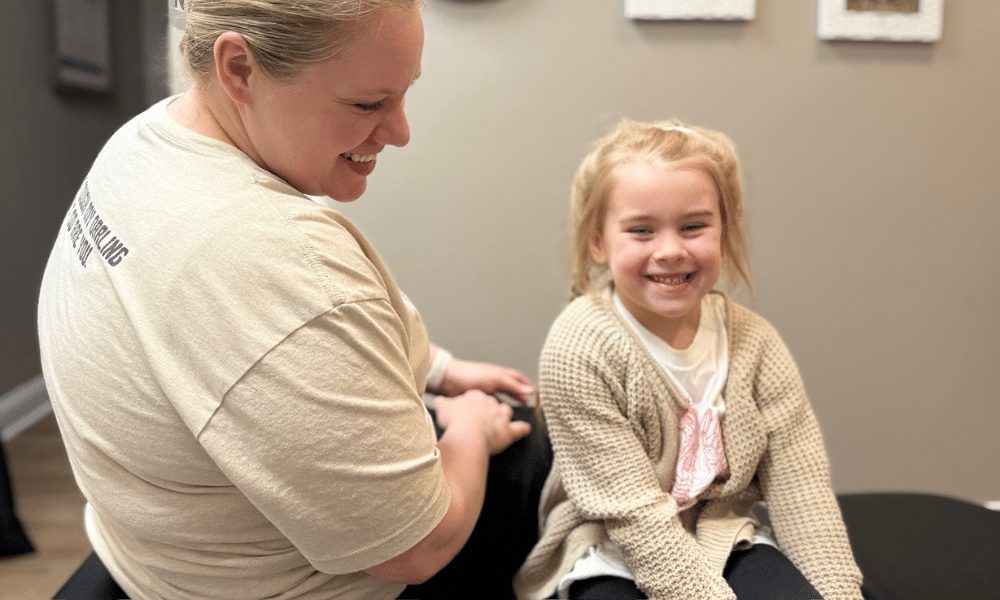
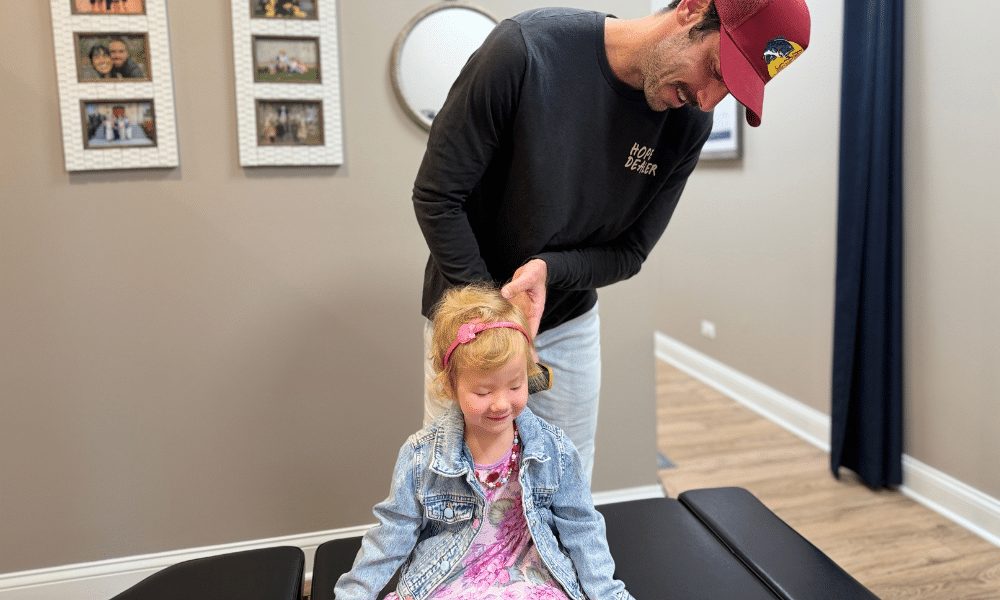
Using Koren Specific Technique (KST) and Talsky Tonal Chiropractic (TTC), our doctors adjust your child seated, standing, or however they're most comfortable, with light, nervous system-focused contacts and no cracking or forceful manipulation. We adjust lighting, sound, and pace to your child's sensitivities, never rush, and are glad to give your child a practice visit if that's what it takes to build trust first. We coordinate with the speech, occupational, or ABA therapists already on your child's team so our findings add to their picture instead of sitting apart from it.
What Parents Often Notice
Sleep improvements often come first for a lot of families, easier to fall asleep, staying asleep longer, waking up a bit more rested. Gut function frequently follows, with parents describing better regularity and a calmer appetite. Many families also notice their child handling transitions with a little less friction, and some describe more eye contact or verbalization over time, along with a generally calmer, more engaged kid. A number of parents tell us the other therapies their child is doing, the OT, the speech work, seem to get more traction once their child's nervous system has a bit more capacity underneath it. Every child is different, and we're honest about that from the first visit, but these are the patterns we hear about often enough to mention.
Supporting Your Child's Nervous System at Home
A few things many of our families find helpful between visits:
- Keep routines predictable where you can, since predictability itself is calming to a nervous system with little reserve for surprises
- Build in sensory breaks before transitions or new environments rather than after your child is already overwhelmed
- Protect a consistent wind-down routine before bed, dim lights, quieter activity, the same steps in the same order
- Track sleep, gut symptoms, and meltdown patterns loosely so it's easier to notice what's shifting and share it with your child's providers
- Offer small choices throughout the day, which shirt, which snack, since a sense of control can lower a stressed nervous system's alarm response
Taking the Next Step
Your child deserves care built around them, not a standard protocol applied to every diagnosis on the chart. Learn more on our autism and neurodevelopmental support page, download our free guide on nervous system support for kids on the spectrum, or book a consultation with our doctors in Royal Oak. You can also call us at (248) 616-0900 to talk through what a sensory-sensitive first visit could look like for your child.