
Long before a diagnosis is on the table, plenty of parents have a quiet feeling that something about their baby's development is a little different. Maybe your baby does not light up at your voice the way you expected. Maybe tummy time is a battle every single time, or feeding never quite settles into an easy rhythm. You mention it at a checkup and get told to wait and see. Meanwhile the feeling does not go away.
Why the First Two Years Matter So Much
A baby's brain and nervous system are doing more developing in the first two years than at any other point in life. That is also when they are most responsive to support. The earlier a nervous system pattern is identified and supported, the more room there is to work with, which is exactly why so many families wish they had trusted their instincts sooner rather than waiting for a formal diagnosis that often does not happen until well past a second birthday.
What to Watch for by Age
No single sign on its own means anything is wrong, and every baby develops on their own timeline. These are simply patterns worth a closer look when several show up together:
- Birth to 6 months: little eye contact during feeding, no responsive smiling by two to three months, not turning toward your voice, unusually stiff or unusually floppy muscle tone, big distress during routine care like diaper changes
- 6 to 12 months: no babbling by 9 months, not responding to their name, no pointing or waving gestures, limited facial expression, trouble tracking objects or sharing attention with you
- 12 to 18 months: fewer than a handful of words, no pretend play or imitation, strong preference for playing alone, loss of a skill they previously had
- 18 to 24 months: no two word phrases by 24 months, little interest in other children, extreme distress with routine changes, repetitive movements, persistent toe walking
A loss of skills your baby already had, whether that is words, gestures, or eye contact, is the sign that deserves the fastest follow up, at any age.
What Might Be Driving These Patterns
We think of a baby's nervous system as running on two settings, a gas pedal for alertness and stress response, and a brake pedal, largely controlled by the vagus nerve, for calm and connection. A pregnancy involving significant maternal stress, a difficult birth involving vacuum extraction, forceps, a long labor, or a cesarean delivery, and early stressors like repeated ear infections or a sensitive gut can each add tension around the upper neck and brainstem, right where the vagus nerve begins its path through the body. When that brake pedal cannot fully engage, a baby's system tends to stay tilted toward alert and defensive, which can show up as feeding difficulty, sensory sensitivity, sleep trouble, and slower social engagement.
None of this is a certain path to an autism diagnosis, and plenty of babies with a bumpy start go on to develop typically. It is simply one piece of the puzzle worth understanding, especially because it points toward something that responds well to gentle, early support.
How Doctors Usually Screen
Pediatricians typically use developmental screening tools at regular well checks, along with more detailed autism specific questionnaires around 18 to 24 months if concerns come up. There is no blood test or brain scan that confirms autism. Diagnosis relies on watching how a child communicates, plays, and interacts over time, which is part of why the process can feel slow when you already have a sense something needs attention now.
How We Can Help in the Meantime
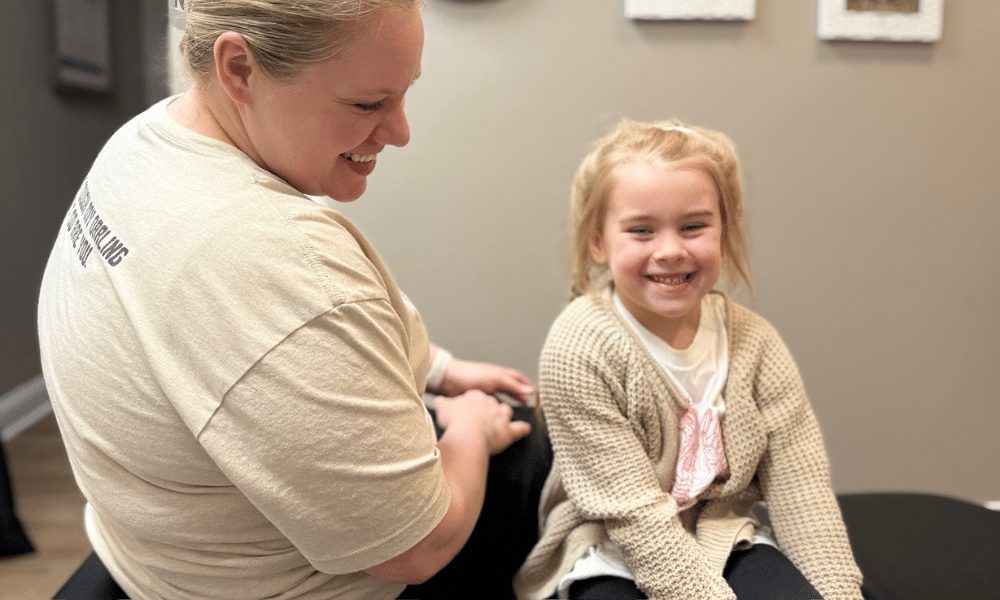
You do not need to wait for a diagnosis to start supporting your baby's nervous system. Our doctors begin with your baby's birth story, feeding pattern, sleep, and the specific things you have noticed. From there, a gentle exam and INSiGHT neurological scanning, appropriate for age, show us where stress patterns are being held in the spine and nervous system. Using Koren Specific Technique (KST) and Talsky Tonal Chiropractic (TTC), our doctors work with the upper neck and spine using light, nervous system focused contacts. Many babies relax visibly during care, and some fall asleep right on the table.
What Parents Often Report
Families often notice better eye contact, more vocalizing, easier feeding, and improved sleep within the first several visits. Others notice a calmer overall baby who tolerates handling and new experiences with less distress. Every baby responds at their own pace, and our doctors keep a close eye on how yours is doing so the plan can adjust along the way. Trusting your instincts early, and getting support sooner rather than later, tends to matter more than which specific intervention you start with first.
You Know Your Baby Best
It is easy to second guess yourself when a screening tool comes back reassuring but your gut still says something is off. Parents are usually right to trust that instinct. A wait and see approach can make sense for a genuinely mild difference, but it should never be the only option offered to a family who keeps raising the same concern visit after visit. Nervous system care is gentle enough to start early and does not require a diagnosis first, which is part of why so many families choose to begin support during this window rather than waiting for a label to catch up with what they already know.
Where to Go From Here
If something about your baby's development has been on your mind, our doctors in Royal Oak would be glad to take a closer look. Read more about how we support autism and neurodevelopmental care, or get our free guide on early nervous system development. You can book a consultation online, or call us at (248) 616-0900 to talk through what you are seeing.