
You are curious about chiropractic care, maybe even convinced it could help, and one thought keeps you from booking the first visit. If I start, do I have to keep going forever? It is one of the most common hesitations people have, and a completely fair one. Nobody wants to sign up for something with no clear end in sight. So here is the honest answer up front: no, you do not have to do anything. Care is always your choice, visit by visit, and it will stay that way for as long as you are a patient.
Where the Question Comes From
The idea that chiropractic care never ends did not come from nowhere. Some offices do build care plans that only ever move in one direction, more visits, more months, regardless of how a patient is actually responding. That approach understandably leaves people wary, and the wariness follows them into every chiropractor's office afterward, even ones that work very differently. It is a fair question to bring with you, and it deserves a fair answer rather than a dismissal.
How a Care Plan Actually Works
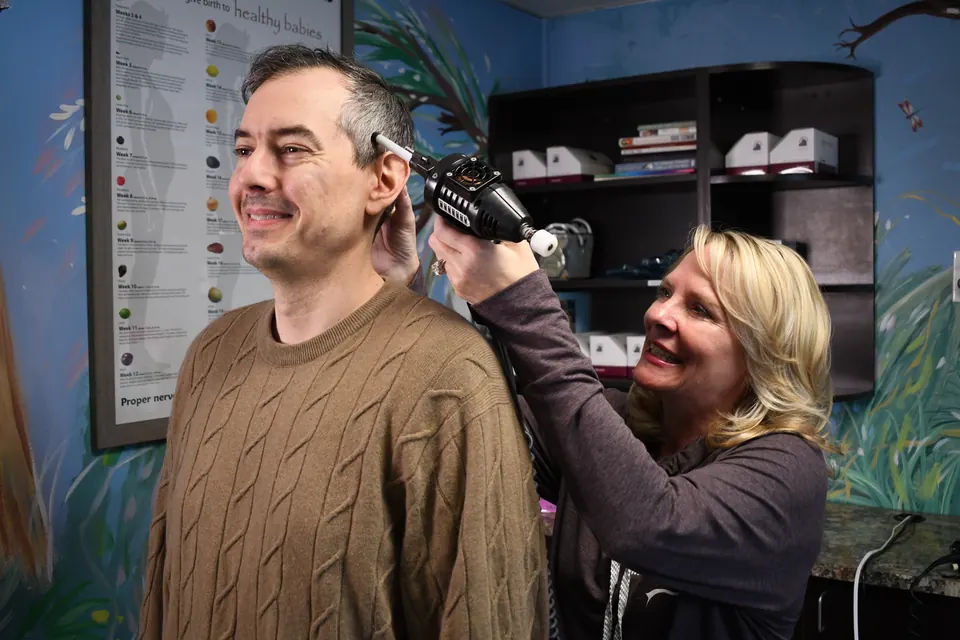
Most people start with a more frequent visit schedule, and there is a real reason for that. A nervous system that has been under stress for months or years needs consistent input to shift out of old patterns, the same way a habit takes repetition to change, not a single conversation. Our doctors use gentle, objective assessment first, including INSiGHT scanning of thermal, heart rate variability, and sEMG patterns, so a recommendation is based on what is actually happening in your nervous system rather than a fixed package handed to every new patient regardless of their situation.
As those patterns shift, visits typically get spaced out. That reassessment happens on an ongoing basis, using the same objective scans, not a schedule someone decided in advance on your very first day before they had any real data about you.
Two Honest Places to End Up
From there, people tend to land in one of two places, and both are common in our office. Some patients settle into an occasional wellness rhythm once they feel the difference their care has made, something similar to how you would keep up with a dentist or an eye doctor, not because anyone requires it, but because they noticed a real change and want to protect it. Other patients choose to finish care once their original goal is met, and come back only if something changes down the road. Neither path is wrong, and our doctors will tell you honestly which one fits where you currently stand, rather than keeping that assessment to themselves.
- Some patients transition to occasional visits, similar to a routine dental or eye checkup
- Others complete care entirely once their goal is met and return only if needed
- Life changes, injuries, stress, pregnancy, can shift which path fits at a given time
- Either way, your care plan is reassessed regularly, not locked in on day one
Why We Stay Direct About It
Every recommendation our doctors make is tied to what they actually see in your exam and your scans, not a script every patient hears regardless of how they are progressing. If your nervous system shows it needs less input, that is exactly what you will be told. A care plan that only ever moves toward more visits and more months is the pattern our doctors watch for in their own recommendations, precisely because it is the pattern that erodes trust when patients notice it happening to them.
That transparency runs in both directions. You will get a straight answer to how much longer this will take, even on the visits where the honest answer is that it depends on how your body responds, because that really is the truth for most conditions and most people.
What This Looks Like Over Time
A typical arc might start with more frequent visits while a longstanding pattern is actively shifting, move into gradually spaced out care as your INSiGHT scans and your own experience both show that shift holding, and settle into either occasional wellness visits or a natural stopping point once your goal has been reached. Stress, injuries, a new pregnancy, or a demanding season of life can all move you back toward more frequent care later, and that is a normal part of how a nervous system responds to changing demands over a lifetime, not a sign that anything failed the first time around.
What Nobody Locks You Into
There is no contract to sign here, no package of visits purchased up front, and no penalty for slowing down or stopping. If you miss a stretch of appointments because life gets busy, you are welcome back whenever you are ready, and our doctors will reassess from where you currently stand rather than picking up an old plan as though nothing changed. That flexibility is not a workaround. It reflects how we actually think about care, as something built around your nervous system's real needs at a given time, not a fixed program that runs on its own schedule regardless of you.
Coming In With That Question
If the fear of an endless commitment has kept you from booking a first visit, bring that question with you. Our doctors would rather answer it directly than have it sit unspoken in the back of your mind through every appointment. Come in for an honest assessment and a straight answer about your own situation, right here in Royal Oak.
Learn more about our approach on the go-forever myth, or book online with our doctors. You can also call us at (248) 616-0900 with any questions before your first visit.


